


Sodium Bentonite Waterproof Blanket
A film-coated sodium bentonite waterproof blanket, also known as a geomembrane-enhanced geosynthetic clay liner (GCL), is an advanced waterproofing material widely used in civil and environmental engineering.
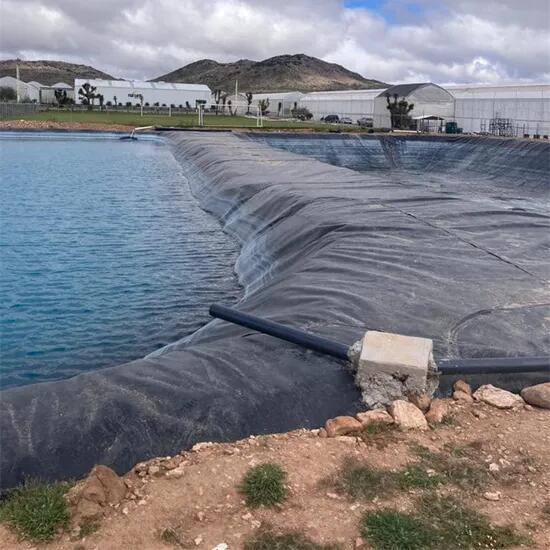
As a trusted geomembrane manufacturer in China, we specialize in producing high-quality HDPE geomembrane products for a wide range of environmental and engineering applications. Our geomembrane liners are made from 100% virgin HDPE and comply with international standards such as ASTM and GRI-GM13. They offer outstanding chemical resistance, UV durability, and long-term performance. With stable supply and direct factory pricing, we ensure that our clients always receive the most competitive HDPE geomembrane price in the market. Whether you need reliable solutions for landfills, mining, pond lining, or wastewater treatment, we are ready to support you with bulk orders, fast delivery, and professional service. Partner with us today and source from a proven HDPE geomembrane liner supplier you can trust.
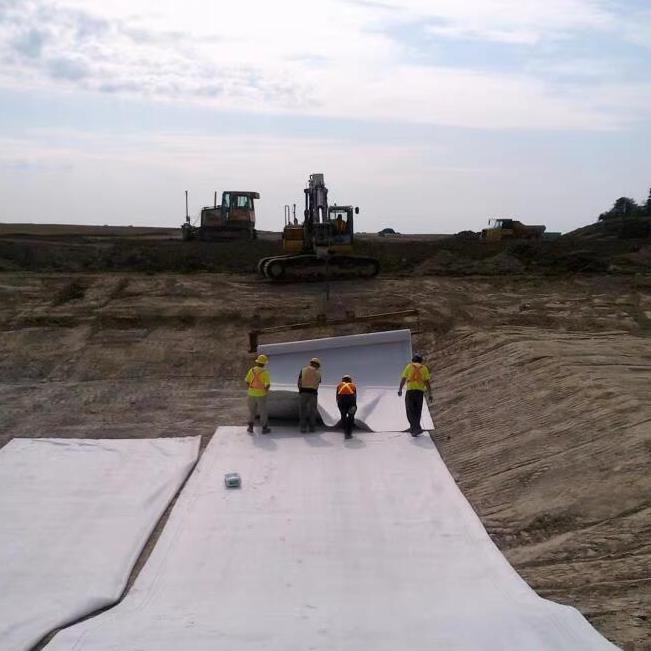
Film-coated Sodium Bentonite Waterproof Blanket (GCL)
A film-coated sodium bentonite waterproof blanket, also known as a geomembrane-enhanced geosynthetic clay liner (GCL), is an advanced waterproofing material widely used in civil and environmental engineering.
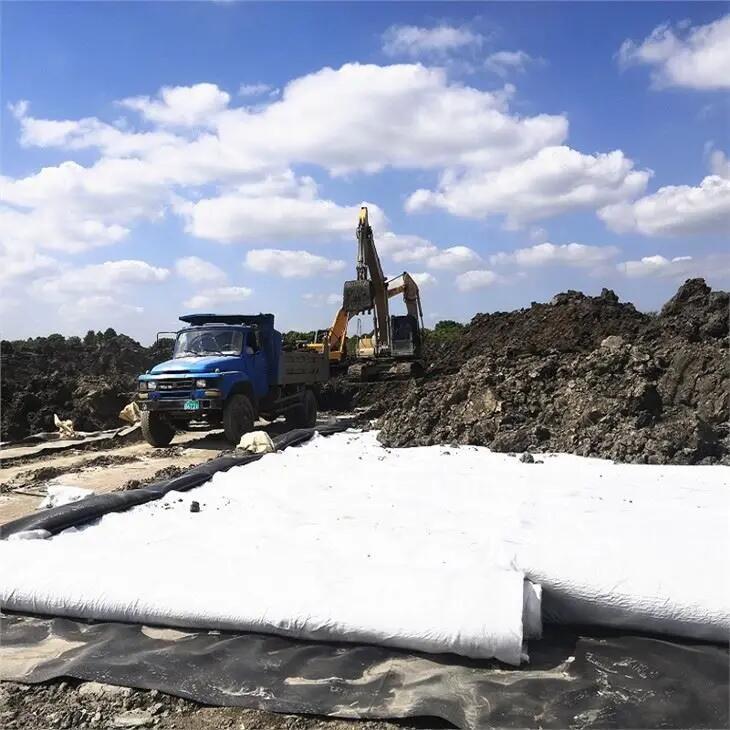
Looking for superior waterproofing with enhanced durability?
Our Composite Geomembrane combines the best of both worlds, combining a geomembrane (typically made of HDPE or PVC) with non-woven geotextile layers, providing unmatched strength, flexibility, and impermeability. This versatile solution is widely used in many industries for seepage control, waterproofing, and environmental protection.
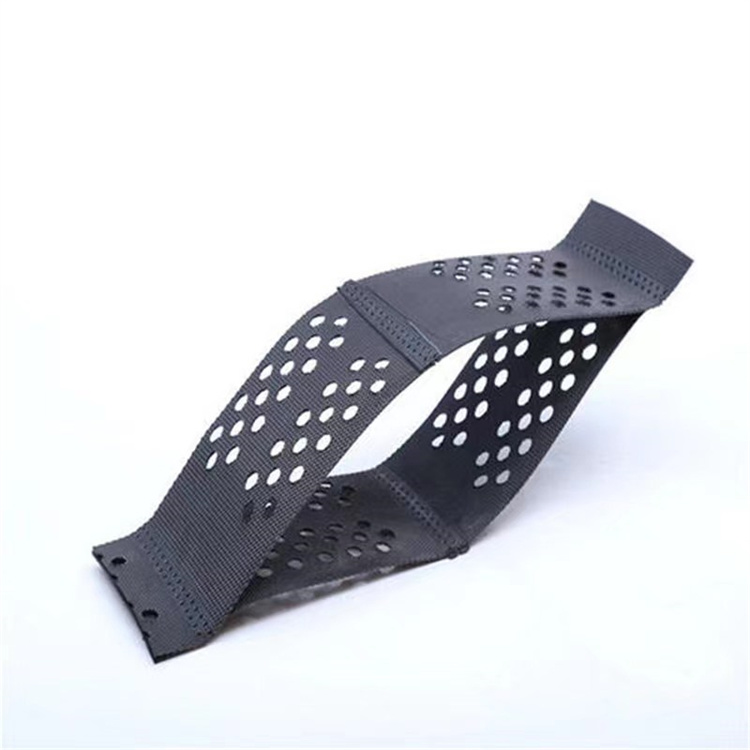
Brief Introduction to Geocells Geocells are three-dimensional, honeycomb-like structures made from durable polymer materials such as polyethylene or polypropylene. They are used in civil engineering for soil stabilization, slope protection, and erosion control. When expanded, geocells form a flexible grid that can be filled with soil, gravel, or concrete, providing enhanced load-bearing capacity and stability. Their key features include high strength, permeability, corrosion resistance, and ease of installation. Geocells are widely applied in road construction, embankment reinforcement, and environmental protection projects due to their cost-effectiveness and ability to improve project durability. Brief Introduction to Geocell Specifications Geocells are available in various specifications to suit different engineering needs. Common parameters include:Material: Typically made from high-density polyethylene (HDPE) or polypropylene (PP).Cell Size: Ranges from 100 mm to 300 mm in diameter, depending on the application.Cell Depth: Usually between 50 mm and 200 mm, adjustable based on project requirements.Sheet Size: Standard sheets are often 4-8 meters in length and 2-4 meters in width.Thickness: Wall thickness generally ranges from 1.0 mm to 1.5 mm, ensuring durability and flexibility.Color: Commonly black or green, depending on the material and application.These specifications can be customized to meet specific project demands, ensuring optimal performance in soil stabilization, slope protection, and other civil engineering applications.

Three-dimensional geotextile mat
Three-dimensional vegetation network slope protection refers to the use of active plants and combined with geosynthetics and other engineering materials to build a protection system with its own growth ability on the slope surface

Three-dimensional vegetation nets
The anti-erosion effect of vegetation is that the plant growth layer (including perianth, leaf sheath, leaves, and stems) prevents the slope surface soil from being directly eroded by rainwater through its own dense covering layer.
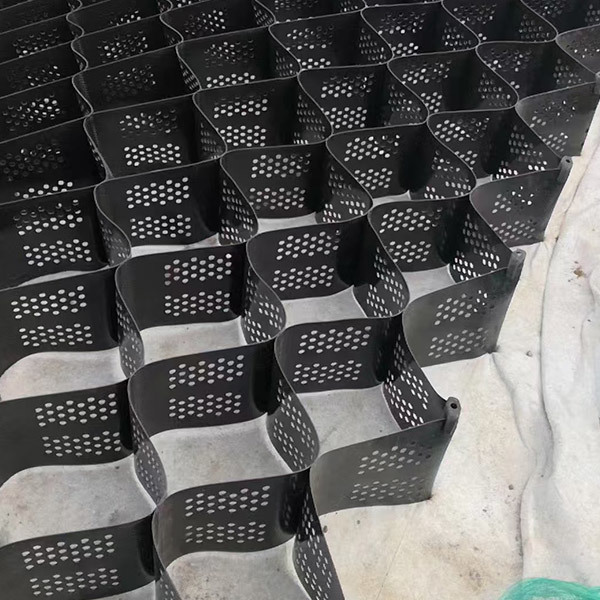
It can be used as a cushion to deal with weak foundations to increase the bearing capacity of the foundation, and can also be laid on the slope to form a slope protection structure, and can also be used to build a retaining structure.
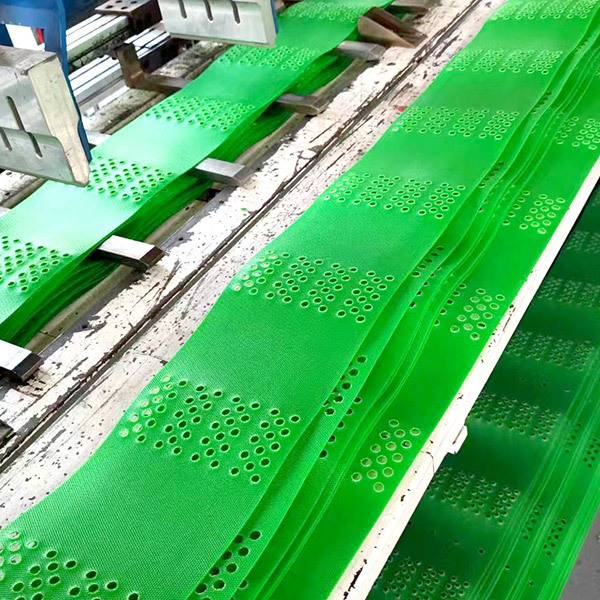
It has free telescopic and retractable transportation, and can be stretched into a network during construction, filled with loose materials such as soil, gravel, concrete, etc., to form a structure with strong lateral restriction and large stiffness.
Xinying·Strength for the Earth
Home
About Us
Contact Us
Email:xinyingcailiao@gmail.com
WhatsApp:+86 19953899723
Tel:+86 19953899723
Copyright ©