
Exploring the Durability of Dacron Geogrid in Harsh Environments
Time:
Mar 21,2025
Exploring the Durability of Dacron Geogrid in Harsh Environments Table of Contents 1. Introduction to Dacron Geogrids 2. Key Properties of Dacron Geogrid 3. Applications of Dacron Geogrids in Various Industries 4. Assessing the Durability of Dacron Geogrids 5. Environmental Factors Affecting Durability 6. Case Studies Demonstrating Durability 7. Advantages of Using Dac
Exploring the Durability of Dacron Geogrid in Harsh Environments
Table of Contents
- 1. Introduction to Dacron Geogrids
- 2. Key Properties of Dacron Geogrid
- 3. Applications of Dacron Geogrids in Various Industries
- 4. Assessing the Durability of Dacron Geogrids
- 5. Environmental Factors Affecting Durability
- 6. Case Studies Demonstrating Durability
- 7. Advantages of Using Dacron Geogrid
- 8. Frequently Asked Questions
- 9. Conclusion
1. Introduction to Dacron Geogrids
Dacron geogrids represent a breakthrough in construction materials, particularly for projects requiring robust and durable solutions. Engineered from high-strength polyester, Dacron geogrids are designed to provide superior performance in various applications, including reinforcement in soil structures and erosion control. As the demand for sustainable construction materials rises, understanding the unique features of Dacron geogrids becomes essential for industry professionals.
2. Key Properties of Dacron Geogrid
Dacron geogrids possess several **distinctive properties** that contribute to their effectiveness in demanding environments:
2.1 High Tensile Strength
The **high tensile strength** of Dacron geogrids ensures they can withstand significant loads without deformation. This makes them ideal for use in road construction, retaining walls, and other applications where structural integrity is paramount.
2.2 Chemical Resistance
Dacron's composition provides excellent **chemical resistance**, allowing it to perform effectively in environments exposed to various chemicals, including acidic or alkaline substances.
2.3 UV Stability
Dacron geogrids are designed to resist degradation caused by **ultraviolet radiation**, ensuring that the material maintains its structural properties even after prolonged exposure to sunlight.
2.4 Lightweight and Easy to Install
Despite their strength, Dacron geogrids are relatively **lightweight**, which simplifies transportation and installation processes on-site, reducing labor costs.
3. Applications of Dacron Geogrids in Various Industries
The versatility of Dacron geogrids allows them to be utilized across multiple industries:
3.1 Infrastructure Development
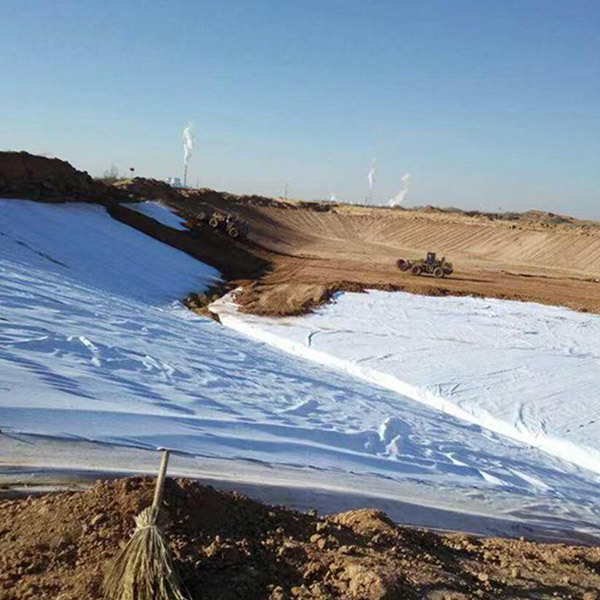
Dacron geogrids are fundamental in **road stabilization** and **airport runway construction**, where they improve load distribution, enhance durability, and reduce maintenance costs.
3.2 Landscaping and Erosion Control
In landscaping projects, geogrids help prevent soil erosion while allowing for the growth of vegetation. Their integration into **green infrastructure** promotes sustainability.
3.3 Retaining Walls and Slope Stabilization
Dacron geogrids reinforce retaining walls and slope systems, providing stability and preventing failure due to lateral earth pressures.
4. Assessing the Durability of Dacron Geogrids
To evaluate the durability of Dacron geogrids, several tests are conducted under controlled conditions. These tests simulate harsh environments and assess performance over time.
4.1 Accelerated Weathering Tests
Accelerated weathering tests expose geogrids to extreme temperatures and moisture levels to determine how well they endure environmental stressors.
4.2 Load-Bearing Capacity Tests
Load-bearing capacity tests measure the geogrid's ability to support weight without compromising its structural integrity, crucial for applications in road and bridge construction.
5. Environmental Factors Affecting Durability
Understanding the environmental factors that impact the durability of Dacron geogrids is essential for engineers and developers.
5.1 Temperature Fluctuations
Dacron geogrids can endure a wide range of temperatures, but extreme fluctuations can affect their performance. Engineering designs must consider these changes to ensure longevity.
5.2 Moisture Exposure
Extended exposure to moisture can lead to degradation, making it crucial to implement proper drainage systems to maintain the integrity of geogrids.
5.3 Soil Composition
Soil conditions, including pH levels and the presence of harmful chemicals, can significantly affect the performance of Dacron geogrids. Understanding soil composition helps in selecting the appropriate materials for specific projects.
6. Case Studies Demonstrating Durability
Several real-world projects showcase the durability and performance of Dacron geogrids in harsh environments:
6.1 Urban Infrastructure Projects
In urban infrastructure projects, Dacron geogrids have been utilized to support roadways in areas prone to heavy traffic and extreme weather, demonstrating their effectiveness in maintaining structural integrity.
6.2 Coastal Erosion Control
In coastal areas, Dacron geogrids have been employed to combat erosion caused by waves and tides, proving their resistance to harsh marine environments.
7. Advantages of Using Dacron Geogrid
The advantages of utilizing Dacron geogrids in construction projects are numerous:
7.1 Cost-Effectiveness
While the initial investment in Dacron geogrids may be higher than traditional materials, their durability leads to **lower maintenance costs** over time, making them a cost-effective choice.
7.2 Environmental Benefits
Dacron geogrids support sustainable practices by promoting soil stability and reducing the need for chemical treatments in landscaping applications.
7.3 Enhanced Load Distribution
The unique design of Dacron geogrids provides **enhanced load distribution**, reducing stress on underlying soil and structures, which is crucial for long-term performance.
8. Frequently Asked Questions
8.1 What is Dacron geogrid, and how is it made?
Dacron geogrid is a high-strength polymer grid used in civil engineering applications, made from polyester fibers through a weaving process that enhances its durability and performance.
8.2 How long do Dacron geogrids last?
With proper installation and maintenance, Dacron geogrids can last for several decades, even in harsh environmental conditions.
8.3 Are Dacron geogrids suitable for all soil types?
While Dacron geogrids are versatile, their effectiveness can depend on soil composition. It is essential to conduct soil tests before application.
8.4 Can Dacron geogrids be recycled?
Yes, Dacron geogrids can be recycled, which aligns with sustainable construction practices and reduces waste.
8.5 How do Dacron geogrids compare to other geogrid types?
Dacron geogrids offer superior tensile strength and chemical resistance compared to many other geogrid materials, which makes them a preferred choice for demanding applications.
9. Conclusion
In conclusion, Dacron geogrids stand out as a durable, reliable solution in construction and landscaping applications, particularly when subjected to harsh environmental conditions. Their impressive tensile strength, chemical resistance, and UV stability make them an ideal choice for various projects, from infrastructure development to erosion control. As industries continue to seek sustainable and effective materials, Dacron geogrids will undoubtedly play a pivotal role in the future of construction and civil engineering. With comprehensive understanding and application, these materials can enhance structural performance and longevity, paving the way for innovative solutions in challenging environments.
Xinying·Strength for the Earth
Home
About Us
Contact Us
Email:xinyingcailiao@gmail.com
WhatsApp:+86 19953899723
Tel:+86 19953899723
Copyright ©