
Why Geomembranes Are Essential for a Stunning Garden Pond
Time:
Dec 19,2025
Why Geomembranes Are Essential for a Stunning Garden Pond Introduction to Geomembranes and Their Role in Garden Ponds Creating a beautiful garden pond is more than just digging a hole and filling it with water. It requires careful planning, the right materials, and a fundamental understanding of aquatic ecosystems. One of the most important components of a successful garden pond is the **geome
Why Geomembranes Are Essential for a Stunning Garden Pond
Introduction to Geomembranes and Their Role in Garden Ponds
Creating a beautiful garden pond is more than just digging a hole and filling it with water. It requires careful planning, the right materials, and a fundamental understanding of aquatic ecosystems. One of the most important components of a successful garden pond is the **geomembrane**. This specialized material acts as a barrier, ensuring your pond remains a stunning and sustainable feature of your landscape.
In this article, we will explore why geomembranes are essential for garden ponds, delve into their benefits, and provide insights into installation and maintenance. Our aim is to provide you with comprehensive knowledge that will help you create the perfect garden pond.
Table of Contents
1. Understanding Geomembranes
2. The Importance of Geomembranes in a Garden Pond
2.1. Waterproofing and Leak Prevention
2.2. Environmental Protection
2.3. Enhancing Aesthetic Appeal
3. Types of Geomembranes Suitable for Garden Ponds
3.1. HDPE (High-Density Polyethylene)
3.2. PVC (Polyvinyl Chloride)
3.3. EPDM (Ethylene Propylene Diene Monomer)
4. Installation Process of Geomembranes
4.1. Site Preparation
4.2. Laying the Geomembrane
4.3. Securing the Edges
5. Maintenance Tips for Your Garden Pond with Geomembranes
5.1. Regular Inspections
5.2. Cleaning and Maintenance
6. Common FAQs About Geomembranes and Garden Ponds
7. Conclusion
1. Understanding Geomembranes
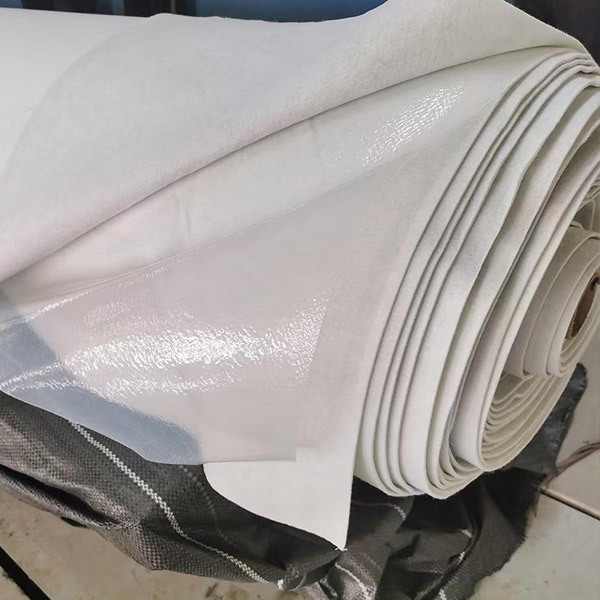
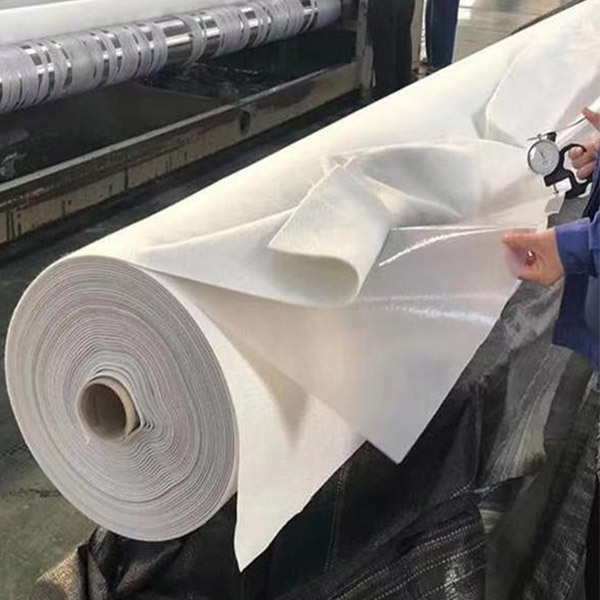
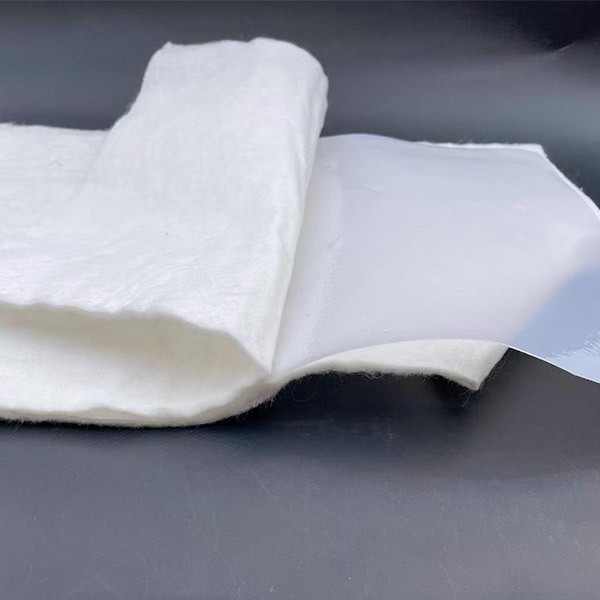
Geomembranes are synthetic liners made from polymer materials used to contain liquids and gases. They are designed to provide a barrier that prevents seepage and leakage, making them ideal for various applications, including landfills, reservoirs, and, importantly, garden ponds.
These materials are known for their durability and resistance to environmental stressors, making them a preferred choice for both commercial and residential pond installations. The ability of geomembranes to withstand harsh conditions ensures that they play a crucial role in maintaining the integrity of a garden pond.
2. The Importance of Geomembranes in a Garden Pond
When designing a garden pond, it is vital to understand the critical functions that geomembranes serve. Here are several key reasons why they are essential:
2.1. Waterproofing and Leak Prevention
One of the primary functions of geomembranes in garden ponds is to provide an effective waterproof barrier. Without this layer, water can seep into the ground, leading to significant water loss and increased maintenance costs. A high-quality geomembrane ensures that the water stays contained, allowing for a beautiful, thriving aquatic ecosystem.
2.2. Environmental Protection
Geomembranes help protect the surrounding environment by preventing pollutants and chemicals in the pond from leaching into the ground. This containment is particularly important in maintaining the health of local wildlife and plant life. By providing a safe barrier, geomembranes contribute to the sustainability of your garden pond.
2.3. Enhancing Aesthetic Appeal
A well-installed geomembrane can enhance the overall appearance of a garden pond. It allows for more creative designs, such as varying depths and shapes, while ensuring that the integrity of the pond is maintained. This flexibility in design contributes to a more visually appealing landscape.
3. Types of Geomembranes Suitable for Garden Ponds
Not all geomembranes are created equal. Different types of geomembranes offer varying benefits and are suited for different applications. Here are three of the most commonly used types for garden ponds:
3.1. HDPE (High-Density Polyethylene)
HDPE geomembranes are highly durable and resistant to punctures, chemicals, and UV radiation. They are commonly used in large-scale pond projects due to their strength and longevity. Although HDPE can be more expensive, its long-term benefits often justify the initial investment.
3.2. PVC (Polyvinyl Chloride)
PVC geomembranes are flexible and easy to install, making them a popular choice for smaller garden ponds. They offer good resistance to chemical exposure and UV rays, providing adequate protection for most pond environments. However, they may not be as durable as HDPE in high-stress situations.
3.3. EPDM (Ethylene Propylene Diene Monomer)
EPDM is a rubber-like material that is highly elastic and resistant to extreme temperatures. This makes it ideal for regions with fluctuating climates. EPDM geomembranes are known for their longevity and ability to retain flexibility over time, ensuring a reliable barrier for your garden pond.
4. Installation Process of Geomembranes
Installing a geomembrane in your garden pond is a crucial step towards ensuring its functionality and aesthetic appeal. Here’s a detailed look at the installation process:
4.1. Site Preparation
Before laying down the geomembrane, it is essential to prepare the site. This involves clearing the area of debris, sharp objects, and any vegetation that could puncture the liner. Proper excavation should create the desired pond shape and depth, ensuring that the geomembrane fits well.
4.2. Laying the Geomembrane
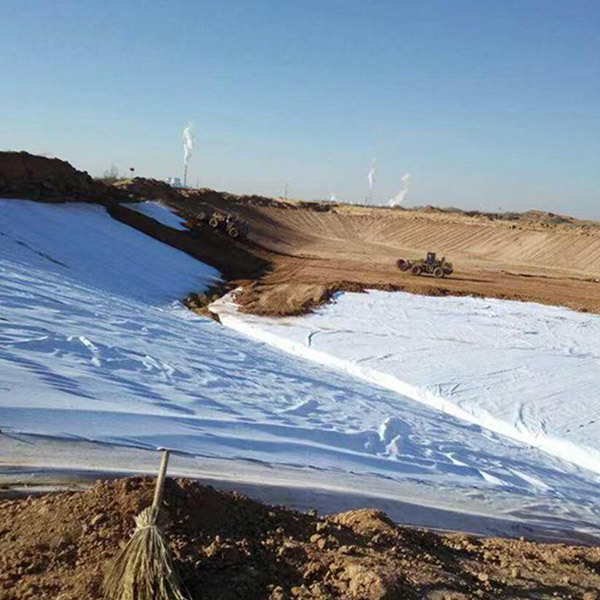
Once the site is prepared, the geomembrane can be laid down. It is crucial to ensure that the geomembrane is positioned correctly to cover the entire pond area and extend beyond the edges to allow for secure anchoring. Avoid wrinkles and folds, as these can lead to potential weak points in the barrier.
4.3. Securing the Edges
After laying the geomembrane, secure the edges with soil or rocks to prevent movement. This anchoring is vital for maintaining the geomembrane’s position, especially in windy conditions or heavy rain. Ensure that the edges are firmly in place to avoid any potential leaks.
5. Maintenance Tips for Your Garden Pond with Geomembranes
Maintaining a garden pond with a geomembrane is essential for its longevity. Here are some tips to keep it in optimal condition:
5.1. Regular Inspections
Conduct regular inspections to identify any signs of wear and tear on the geomembrane. Look for punctures, tears, or any loose edges that may need attention. Early detection can prevent larger issues down the line.
5.2. Cleaning and Maintenance
Keeping your garden pond clean is crucial for maintaining water quality. Remove debris, leaves, and algae regularly to ensure that the pond remains an attractive feature. A clean pond not only looks good but also helps prolong the life of the geomembrane.
6. Common FAQs About Geomembranes and Garden Ponds
**Q1: How long do geomembranes last in a garden pond?**
A: The lifespan of a geomembrane can vary based on the material used. Typically, HDPE can last over 30 years, while EPDM can last 20 years or more with proper maintenance.
**Q2: Can I install a geomembrane myself?**
A: While it is possible to install a geomembrane yourself, professional installation is recommended for larger ponds to ensure proper fitting and sealing.
**Q3: Are geomembranes safe for fish and plants?**
A: Yes, high-quality geomembranes are safe for aquatic life. They do not leach harmful chemicals into the water.
**Q4: How do I repair a punctured geomembrane?**
A: Minor punctures can be repaired using patch kits specifically designed for geomembranes. It's essential to clean the area before applying the patch for a secure bond.
**Q5: Do geomembranes require any special maintenance?**
A: Regular inspections and cleaning are essential, but geomembranes generally require minimal maintenance once installed correctly.
7. Conclusion
In conclusion, geomembranes play a vital role in ensuring the functionality and beauty of your garden pond. Their ability to provide a secure waterproof barrier, protect the environment, and enhance aesthetic appeal makes them an indispensable component of pond construction. By understanding the different types of geomembranes and the installation process, you can create a stunning garden pond that thrives for years to come. Regular maintenance and inspections will further ensure that your aquatic oasis remains a beautiful and sustainable feature of your landscape. Make the right choice today and invest in a geomembrane for a long-lasting, stunning garden pond.
Xinying·Strength for the Earth
Home
About Us
Contact Us
Email:xinyingcailiao@gmail.com
WhatsApp:+86 19953899723
Tel:+86 19953899723
Copyright ©