
Why EPI Geomembranes Are the Optimal Choice for Your Environmental Projects
Time:
Dec 09,2025
Why EPI Geomembranes Are the Optimal Choice for Your Environmental Projects Table of Contents Introduction to EPI Geomembranes What Are Geomembranes? Advantages of EPI Geomembranes 1. Durability and Longevity 2. Environmental Benefits 3. Cost-Effectiveness 4. Easy Installation Applications of EPI Geomembranes
Why EPI Geomembranes Are the Optimal Choice for Your Environmental Projects
Table of Contents
- Introduction to EPI Geomembranes
- What Are Geomembranes?
- Advantages of EPI Geomembranes
- Applications of EPI Geomembranes
- Why Choose EPI Over Other Brands?
- Case Studies: Successful Implementation of EPI Geomembranes
- FAQs about EPI Geomembranes
- Conclusion
Introduction to EPI Geomembranes
In the rapidly evolving field of environmental protection, the choice of materials plays a pivotal role in the success of projects aimed at sustainability. **EPI geomembranes** have emerged as a leading solution for various environmental applications. From their durability to their versatility, these geomembranes cater to a range of needs, ensuring that projects are not only efficient but also sustainable.
What Are Geomembranes?
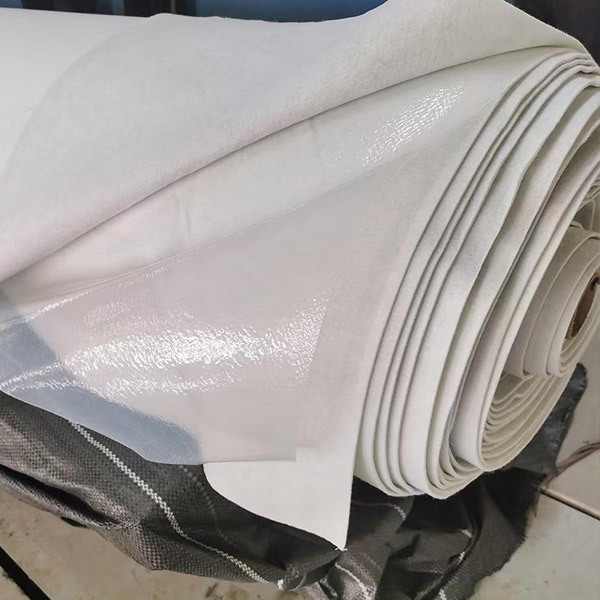
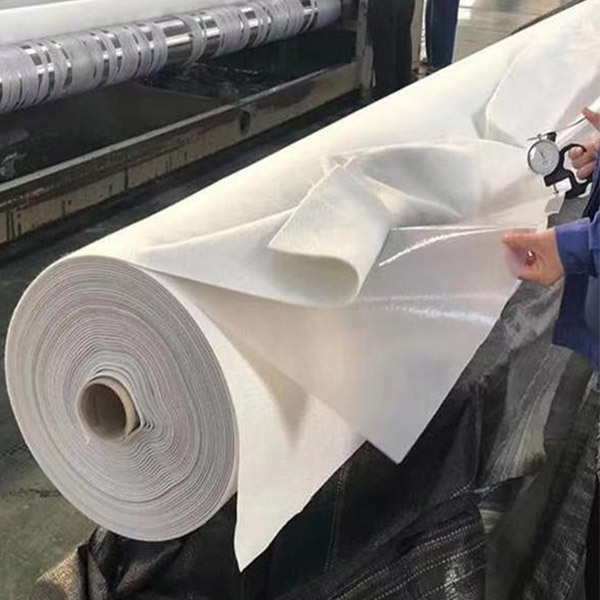
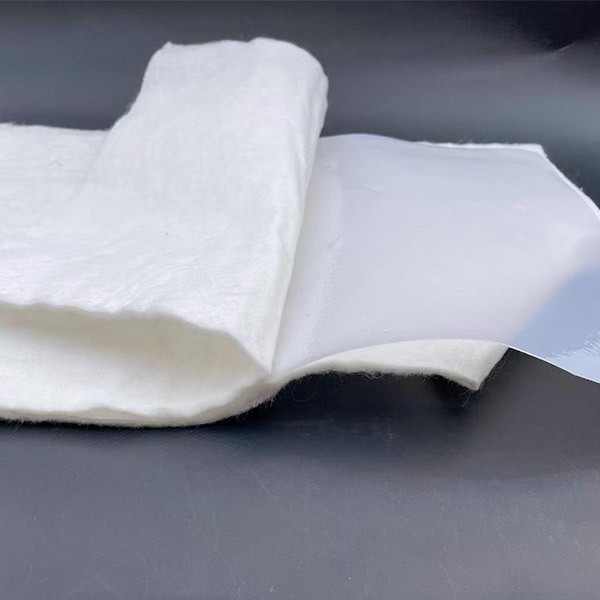
Geomembranes are synthetic membranes used as a barrier to fluid or gas migration in a variety of environmental projects. Typically made from materials like **polyethylene**, **polypropylene**, or **PVC**, these geomembranes serve critical functions in applications such as waste containment, water conservation, and environmental protection. EPI geomembranes, in particular, are renowned for their high quality and performance standards, making them a prominent choice in the industry.
Advantages of EPI Geomembranes
When evaluating the best materials for your environmental projects, it's essential to consider the advantages that EPI geomembranes offer.
1. Durability and Longevity
EPI geomembranes are engineered to withstand challenging conditions, such as extreme temperatures, chemical exposure, and UV radiation. Their robust construction ensures that they maintain their integrity over time, reducing the need for frequent replacements or repairs. This durability translates into long-term cost savings and enhanced project reliability.
2. Environmental Benefits
Sustainability is at the heart of EPI's mission. Our geomembranes are designed not only to protect against contamination but also to minimize environmental impact. With **recyclable materials** and a focus on eco-friendly production processes, EPI geomembranes contribute positively to environmental conservation efforts.
3. Cost-Effectiveness
Investing in EPI geomembranes is a wise decision for budget-conscious projects. While the initial investment may seem substantial, the durability and low maintenance needs of these geomembranes lead to lower overall lifecycle costs. Additionally, their effectiveness in preventing leaks ensures compliance with environmental regulations, mitigating the risk of costly fines.
4. Easy Installation
EPI geomembranes are designed for straightforward installation, which is crucial for time-sensitive projects. Their lightweight nature and compatibility with various installation techniques allow for quick and efficient deployment, minimizing labor costs and project delays.
Applications of EPI Geomembranes
EPI geomembranes find use in numerous applications across different sectors. Here are some key areas where they excel:
1. Landfills
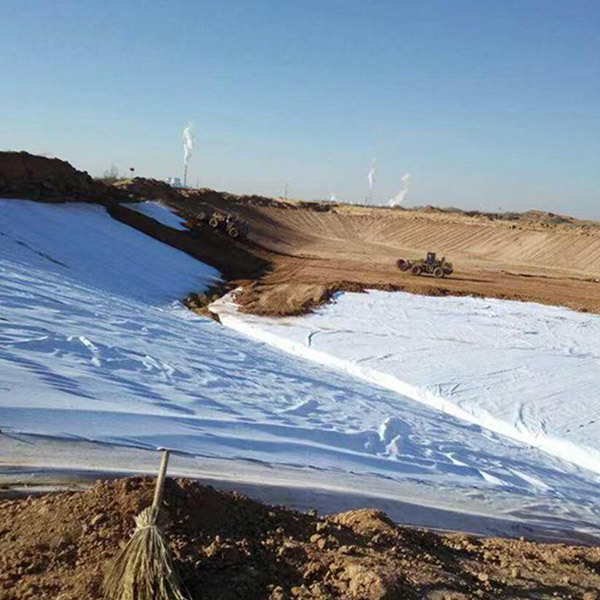
In landfill construction, EPI geomembranes act as a critical barrier to prevent leachate from contaminating groundwater. Their high puncture resistance and low permeability make them ideal for ensuring that hazardous materials are securely contained, thereby protecting the surrounding environment.
2. Pond Liners
For agricultural and recreational ponds, EPI geomembranes serve as effective liners, minimizing water loss due to seepage. Their ability to withstand various environmental conditions ensures that ponds remain functional and sustainable over time.
3. Road Construction
In road construction, EPI geomembranes are utilized for drainage systems and as barriers against moisture intrusion. Their durability and ease of installation make them a valuable asset in maintaining the structural integrity of roadways.
Why Choose EPI Over Other Brands?
When considering geomembranes for environmental projects, the market is filled with options. However, EPI geomembranes stand out due to their commitment to quality and customer satisfaction. Our products undergo rigorous testing to meet industry standards, ensuring that they provide the best performance possible. Furthermore, our experienced team is dedicated to providing exceptional support throughout your project’s lifecycle, helping you make informed decisions every step of the way.
Case Studies: Successful Implementation of EPI Geomembranes
To illustrate the effectiveness of EPI geomembranes, we present several case studies showcasing successful project implementations:
1. **City Waste Management Facility**: An extensive landfill project used EPI geomembranes to successfully contain leachate. The facility reported zero environmental incidents within the first five years of operation.
2. **Agricultural Water Conservation Project**: A farming initiative employed EPI pond liners, resulting in a 30% reduction in water loss. Farmers noted significant improvements in crop yield due to better water management.
3. **Urban Road Construction**: EPI geomembranes were integrated into a new highway project. The innovative drainage solutions prevented moisture damage, extending the road's lifespan significantly.
FAQs about EPI Geomembranes
1. What is the lifespan of EPI geomembranes?
EPI geomembranes are designed to last over 30 years, depending on environmental conditions and maintenance.
2. Are EPI geomembranes environmentally friendly?
Yes, EPI geomembranes are made from recyclable materials and produced using eco-friendly processes, contributing to sustainable practices.
3. Can EPI geomembranes be used in cold climates?
Absolutely, EPI geomembranes are engineered to perform in various climates, including extreme cold, without losing integrity.
4. How do I install EPI geomembranes?
Installation methods vary based on project specifications, but EPI geomembranes are designed for straightforward installation, often requiring minimal specialized equipment.
5. What types of projects are best suited for EPI geomembranes?
EPI geomembranes are ideal for landfills, ponds, road construction, and any environmental project that requires effective barriers against fluids or gases.
Conclusion
Choosing the right materials for environmental projects is crucial for achieving sustainability and effectiveness. **EPI geomembranes** emerge as the top choice, offering unmatched durability, environmental benefits, cost-effectiveness, and ease of installation. As you embark on your next environmental endeavor, consider the advantages that EPI geomembranes can bring. With their proven track record and commitment to quality, these geomembranes could be the key to the success of your project. Trust EPI to ensure that your environmental initiatives meet the highest standards of protection and sustainability.
Xinying·Strength for the Earth
Home
About Us
Contact Us
Email:xinyingcailiao@gmail.com
WhatsApp:+86 19953899723
Tel:+86 19953899723
Copyright ©