
The Essential Role of Waterproof Composite Geomembrane in Construction
Time:
Dec 24,2025
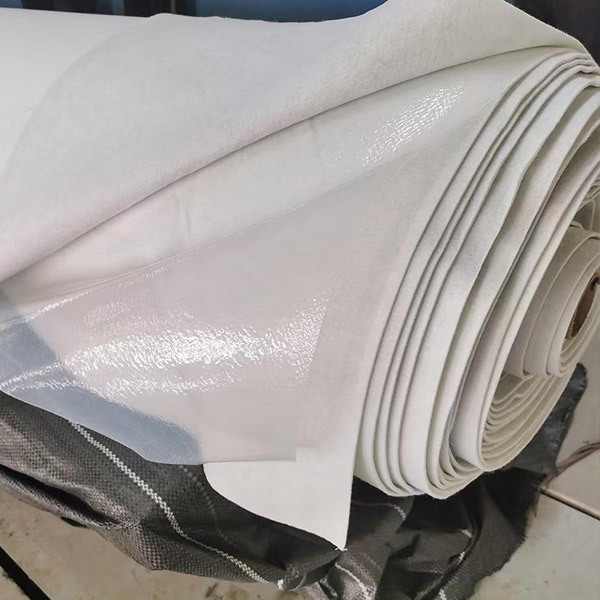
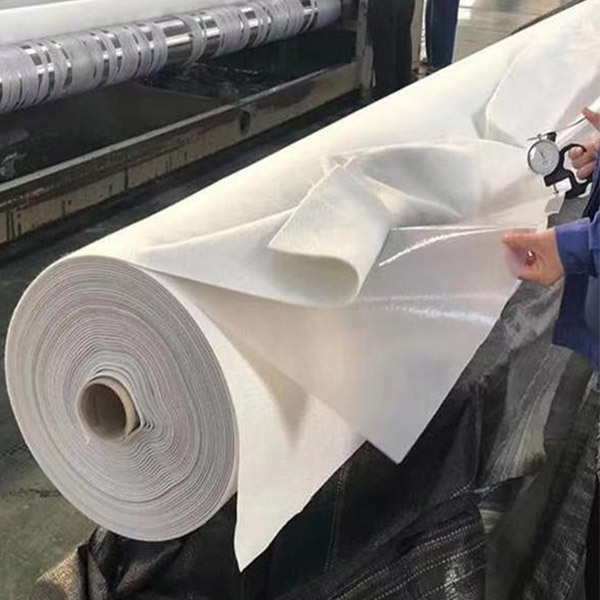
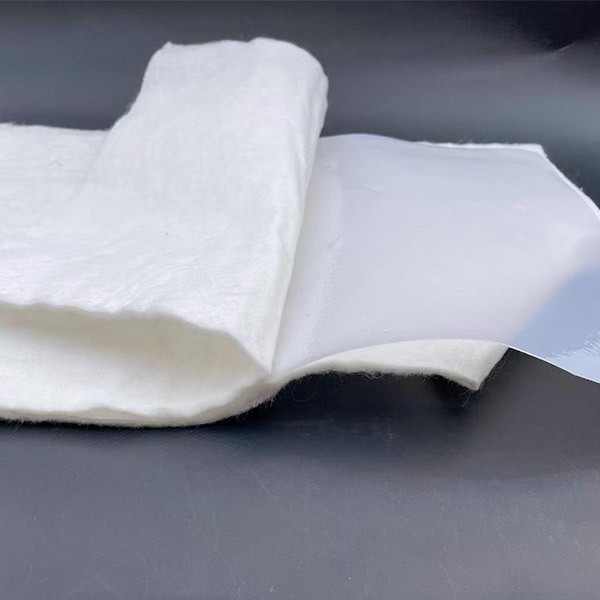
Waterproof Composite Geomembranes are specialized materials widely used in the construction industry, particularly in projects that require effective waterproofing and durability. These geomembranes are typically made from a combination of polymers, creating a composite structure that enhances their waterproofing capabilities, making them ideal for various applications in construction and earthwor
Waterproof Composite Geomembranes are specialized materials widely used in the construction industry, particularly in projects that require effective waterproofing and durability. These geomembranes are typically made from a combination of polymers, creating a composite structure that enhances their waterproofing capabilities, making them ideal for various applications in construction and earthworks.
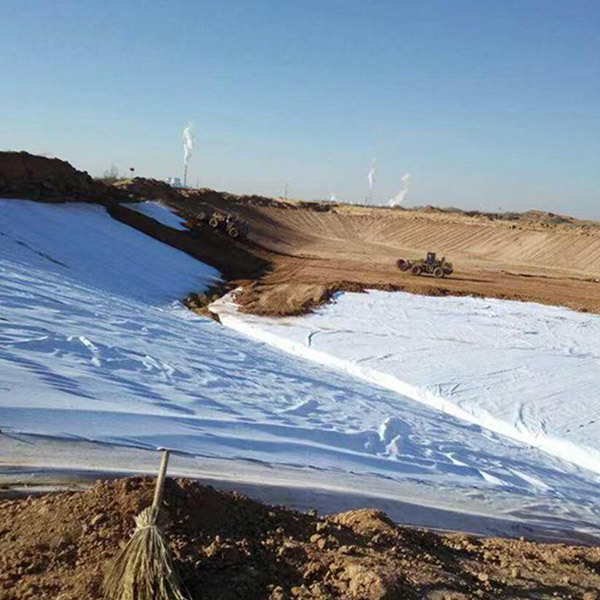
One of the primary advantages of Waterproof Composite Geomembranes is their exceptional resistance to water penetration. This property is crucial for projects such as landfills, ponds, and reservoirs, where preventing water seepage is essential for maintaining structural integrity and environmental safety. The waterproof characteristics ensure that the underlying materials and surrounding ecosystems are protected, ultimately reducing the risk of contamination and structural failure.
Moreover, Waterproof Composite Geomembranes offer excellent chemical resistance. They can withstand exposure to a range of harsh chemicals, making them suitable for industrial applications where chemical spills are a significant concern. This versatility allows them to be effectively used in various environments, from mining operations to agricultural applications, ensuring that the materials remain intact and functional over time.
In addition to their waterproof and chemical-resistant properties, these geomembranes are also highly durable. They are designed to withstand extreme weather conditions, UV exposure, and physical stress, making them long-lasting under various operational scenarios. The longevity of Waterproof Composite Geomembranes translates to lower maintenance costs and reduced frequency of replacement, which is particularly beneficial for large-scale construction projects.
Another significant aspect of using Waterproof Composite Geomembranes is their ease of installation. These materials are lightweight and flexible, which simplifies handling and reduces labor costs. The installation process can typically be completed quickly, allowing projects to stay on schedule without compromising quality or performance. Additionally, the seamless design of these membranes minimizes the risk of leaks, further enhancing their effectiveness in preventing water intrusion.
In conclusion, Waterproof Composite Geomembranes play a vital role in the construction industry by providing reliable waterproofing solutions that enhance the longevity and safety of various structures. Their impressive resistance to water, chemicals, and environmental stressors makes them indispensable in applications ranging from infrastructure development to agricultural management. Understanding the benefits and functionalities of these geomembranes can significantly improve project outcomes and sustainability in construction practices.
One of the primary advantages of Waterproof Composite Geomembranes is their exceptional resistance to water penetration. This property is crucial for projects such as landfills, ponds, and reservoirs, where preventing water seepage is essential for maintaining structural integrity and environmental safety. The waterproof characteristics ensure that the underlying materials and surrounding ecosystems are protected, ultimately reducing the risk of contamination and structural failure.
Moreover, Waterproof Composite Geomembranes offer excellent chemical resistance. They can withstand exposure to a range of harsh chemicals, making them suitable for industrial applications where chemical spills are a significant concern. This versatility allows them to be effectively used in various environments, from mining operations to agricultural applications, ensuring that the materials remain intact and functional over time.
In addition to their waterproof and chemical-resistant properties, these geomembranes are also highly durable. They are designed to withstand extreme weather conditions, UV exposure, and physical stress, making them long-lasting under various operational scenarios. The longevity of Waterproof Composite Geomembranes translates to lower maintenance costs and reduced frequency of replacement, which is particularly beneficial for large-scale construction projects.
Another significant aspect of using Waterproof Composite Geomembranes is their ease of installation. These materials are lightweight and flexible, which simplifies handling and reduces labor costs. The installation process can typically be completed quickly, allowing projects to stay on schedule without compromising quality or performance. Additionally, the seamless design of these membranes minimizes the risk of leaks, further enhancing their effectiveness in preventing water intrusion.
In conclusion, Waterproof Composite Geomembranes play a vital role in the construction industry by providing reliable waterproofing solutions that enhance the longevity and safety of various structures. Their impressive resistance to water, chemicals, and environmental stressors makes them indispensable in applications ranging from infrastructure development to agricultural management. Understanding the benefits and functionalities of these geomembranes can significantly improve project outcomes and sustainability in construction practices.
Xinying·Strength for the Earth
Home
About Us
Contact Us
Email:xinyingcailiao@gmail.com
WhatsApp:+86 19953899723
Tel:+86 19953899723
Copyright ©