
Composite Geomembranes vs. Traditional Liners: A Comprehensive Comparison
Time:
Mar 27,2025
Composite Geomembranes vs. Traditional Liners: A Comprehensive Comparison Table of Contents 1. Introduction 2. Understanding Geomembranes 3. Traditional Liners Explained 4. Key Differences Between Composite Geomembranes and Traditional Liners 5. Advantages of Composite Geomembranes 6. Benefits of Traditional Liners 7. Applications and Use Cases 8. Maintenance and Lifespan 9. Env
Composite Geomembranes vs. Traditional Liners: A Comprehensive Comparison
Table of Contents
- 1. Introduction
- 2. Understanding Geomembranes
- 3. Traditional Liners Explained
- 4. Key Differences Between Composite Geomembranes and Traditional Liners
- 5. Advantages of Composite Geomembranes
- 6. Benefits of Traditional Liners
- 7. Applications and Use Cases
- 8. Maintenance and Lifespan
- 9. Environmental Impact
- 10. Conclusion
- 11. FAQs
1. Introduction
In the construction and environmental sectors, the choice of lining materials is crucial for ensuring project success. **Composite geomembranes** and **traditional liners** are two popular options, each with their unique set of features, advantages, and limitations. Understanding the differences between these materials is essential for making informed decisions in construction, waste management, and environmental protection. This article provides a comprehensive comparison of composite geomembranes and traditional liners, examining their composition, benefits, applications, and more.
2. Understanding Geomembranes
Geomembranes are impermeable membranes used to control fluid or gas migration in a variety of applications. They are typically made from synthetic materials, such as polyethylene, polypropylene, or polyvinyl chloride (PVC). These membranes serve as critical barriers in landfills, wastewater treatment facilities, and mining operations.
**Composite geomembranes** are a specific type of geomembrane made from two or more materials, combining the strengths of each. This hybrid approach enhances performance characteristics, making them suitable for diverse applications where durability and reliability are paramount.
3. Traditional Liners Explained
**Traditional liners**, commonly made from single materials like high-density polyethylene (HDPE) or PVC, have been used for decades in various applications. These liners act as barriers to prevent leachate migration from landfills and protect soil and groundwater from contamination. While they have proven effective in many scenarios, their limitations often prompt the consideration of composite geomembranes.
4. Key Differences Between Composite Geomembranes and Traditional Liners
When comparing composite geomembranes to traditional liners, several critical differences emerge:
4.1 Composition
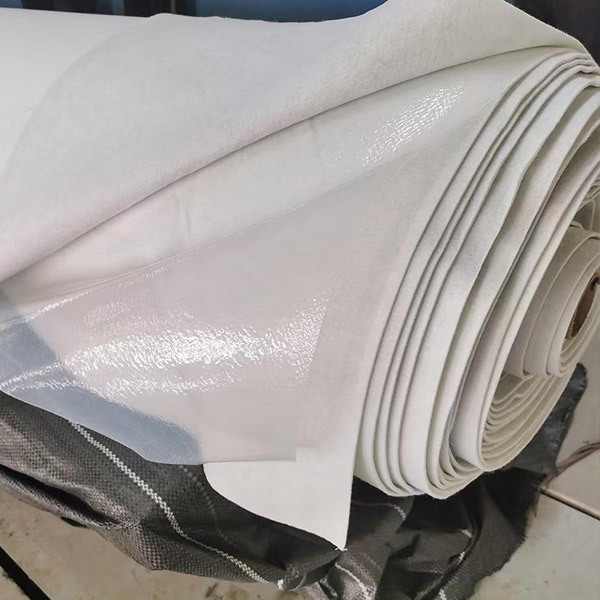
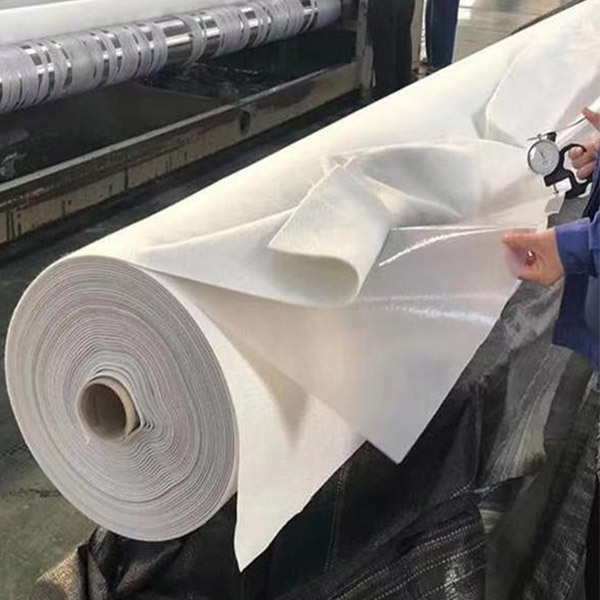
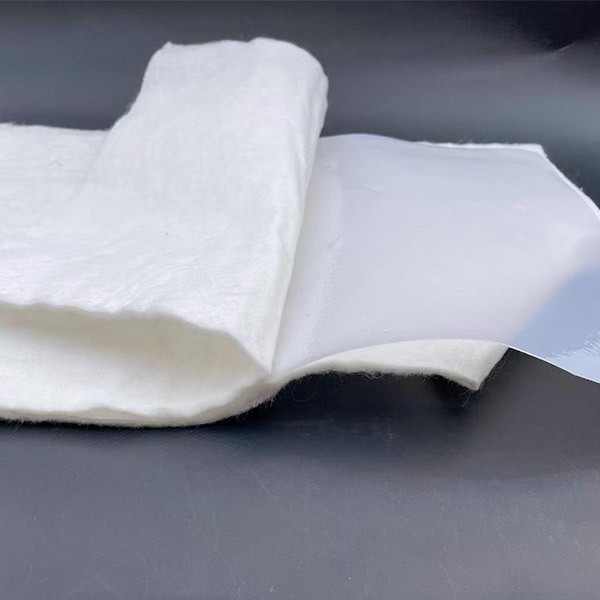
Composite geomembranes combine different materials to enhance performance. For example, a composite geomembrane may consist of a geotextile layer bonded to a geomembrane layer, providing additional strength and filtration properties. In contrast, traditional liners are typically made from a single material, which may limit their effectiveness in certain conditions.
4.2 Performance Attributes
Composite geomembranes often exhibit superior puncture resistance, tensile strength, and overall durability compared to traditional liners. This makes them more suitable for applications involving harsh environments and mechanical stress.
4.3 Installation Procedures
The installation process for composite geomembranes can be more complex due to the need for precise layering and bonding of materials. Traditional liners may have simpler installation procedures, but they may not offer the same level of protection.
5. Advantages of Composite Geomembranes
Composite geomembranes offer numerous advantages:
5.1 Enhanced Durability
The combination of materials in composite geomembranes results in higher durability, making them resistant to wear, punctures, and UV exposure. This longevity translates into reduced maintenance costs and improved performance over time.
5.2 Increased Flexibility
These geomembranes exhibit greater flexibility, allowing them to adapt to ground movements and changes in temperature. This flexibility helps prevent cracking and other damage that can occur with traditional liners.
5.3 Improved Hydraulic Performance
Composite geomembranes often feature advanced hydraulic properties, promoting better drainage and reducing the risk of water accumulation. This is particularly beneficial in applications like landfill capping and stormwater management.
6. Benefits of Traditional Liners
While composite geomembranes have distinct advantages, traditional liners still hold their ground in certain applications:
6.1 Cost-Effectiveness
Traditional liners are generally more affordable than composite geomembranes, making them a cost-effective choice for projects with budget constraints. Their simpler manufacturing process contributes to lower costs.
6.2 Established Track Record
With decades of use, traditional liners have a well-documented history of performance. Many projects have successfully utilized these liners, providing confidence in their reliability.
6.3 Ease of Availability
Traditional liners are widely available, and many suppliers stock a variety of options, making it easy to source materials for projects. This accessibility can expedite project timelines.
7. Applications and Use Cases
Both composite geomembranes and traditional liners find applications across various industries:
7.1 Landfill Applications
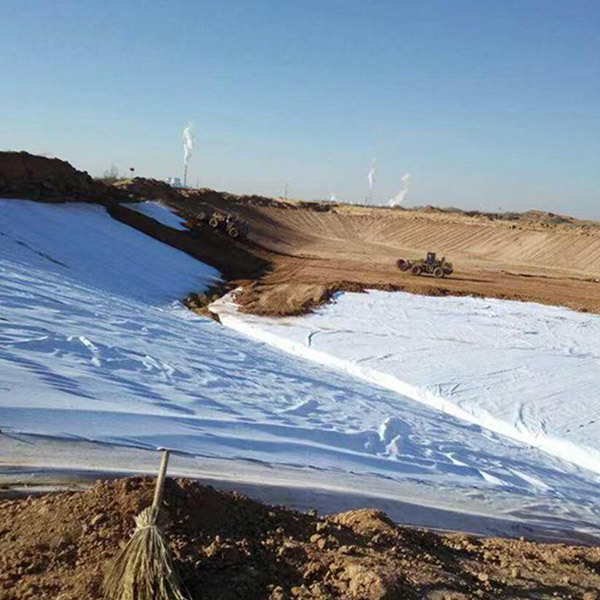
Composite geomembranes are increasingly used in landfill liner systems due to their enhanced performance characteristics. Traditional liners remain popular for leachate collection systems, particularly in less demanding environments.
7.2 Mining Operations
In mining applications, composite geomembranes excel in preventing chemical leachate migration and protecting surrounding ecosystems. Traditional liners may be used in less aggressive mining applications.
7.3 Wastewater Treatment
Both types of liners are utilized in wastewater treatment facilities. Composite geomembranes provide robust solutions for containment, while traditional liners are often employed for secondary containment systems.
8. Maintenance and Lifespan
The **maintenance** and **lifespan** of geomembranes are critical factors to consider:
8.1 Maintenance Requirements
Composite geomembranes typically require less maintenance due to their durability and resistance to environmental stressors. Conversely, traditional liners may necessitate more frequent inspections and repairs.
8.2 Lifespan Comparison
Composite geomembranes often outlast traditional liners, with lifespans extending beyond 30 years in some cases. Traditional liners, while still durable, may have a shorter lifespan depending on environmental conditions.
9. Environmental Impact
The environmental impact of geomembranes is a significant consideration in construction and waste management:
9.1 Sustainability of Materials
Many composite geomembranes are made from recyclable materials, aligning with sustainable construction practices. Traditional liners can also be produced with eco-friendly materials, but the options may be more limited.
9.2 Impact on Soil and Water
Both types of liners aim to protect soil and water sources from contamination. The effectiveness of each option will depend on the specific materials used and the application context.
10. Conclusion
In summary, both composite geomembranes and traditional liners offer valuable solutions for environmental protection and construction projects. While composite geomembranes shine in terms of durability, flexibility, and hydraulic performance, traditional liners provide a cost-effective option with a proven track record. The choice between these two types of liners will largely depend on project requirements, environmental considerations, and budget constraints. By carefully evaluating these factors, stakeholders can make informed decisions that will lead to successful project outcomes.
11. FAQs
What are composite geomembranes made of?
Composite geomembranes are typically made from a combination of materials, such as geotextiles and geomembranes, to enhance performance characteristics.
How do traditional liners differ from geomembranes?
Traditional liners are usually made from a single material, such as HDPE or PVC, whereas geomembranes may incorporate multiple materials for improved durability and performance.
What applications are best suited for composite geomembranes?
Composite geomembranes are ideal for applications involving harsh environmental conditions, such as landfills, mining, and wastewater treatment facilities.
Are traditional liners still relevant in modern construction?
Yes, traditional liners remain relevant, especially for projects with budget constraints or where their proven performance is sufficient.
How can I determine which liner is best for my project?
Evaluate factors such as environmental conditions, budget, and project specifications to determine the most suitable liner for your needs. Consulting with professionals in the field can also provide valuable insights.
Xinying·Strength for the Earth
Home
About Us
Contact Us
Email:xinyingcailiao@gmail.com
WhatsApp:+86 19953899723
Tel:+86 19953899723
Copyright ©