
Essential Insights into Geomembranes for Garden Ponds: A Comprehensive Guide
Time:
Nov 24,2025
When constructing garden ponds, geomembranes play a pivotal role in ensuring water retention and preventing leakage. These synthetic membranes are designed to provide a barrier between the soil and the pond water, effectively preventing contamination and maintaining the desired water levels. Understanding the properties and applications of geomembranes for garden ponds can significantly enhance th
When constructing garden ponds, geomembranes play a pivotal role in ensuring water retention and preventing leakage. These synthetic membranes are designed to provide a barrier between the soil and the pond water, effectively preventing contamination and maintaining the desired water levels. Understanding the properties and applications of geomembranes for garden ponds can significantly enhance the durability and functionality of your aquatic designs.
Geomembranes are typically made from various materials, including polyethylene, polypropylene, and PVC. Each material has its strengths, but the most common choice for garden ponds is high-density polyethylene (HDPE) due to its excellent chemical resistance, UV stability, and flexibility. This makes HDPE geomembranes particularly suited for outdoor environments where they are subjected to varying temperatures and weather conditions.
One of the main advantages of using geomembranes in garden ponds is their ability to create a watertight seal. Without an effective barrier, water can seep into the ground, leading to erosion and loss of pond integrity. This not only affects the aesthetics of the pond but can also disrupt the ecosystem that depends on stable water levels. By properly installing a geomembrane, you can significantly enhance the longevity of your garden pond.
In addition to water retention, geomembranes also serve to protect the pond from external contaminants, such as soil leachates or chemicals from surrounding areas, which could harm aquatic life. They act as a protective layer, ensuring that the water remains clean and safe for plants and animals alike.
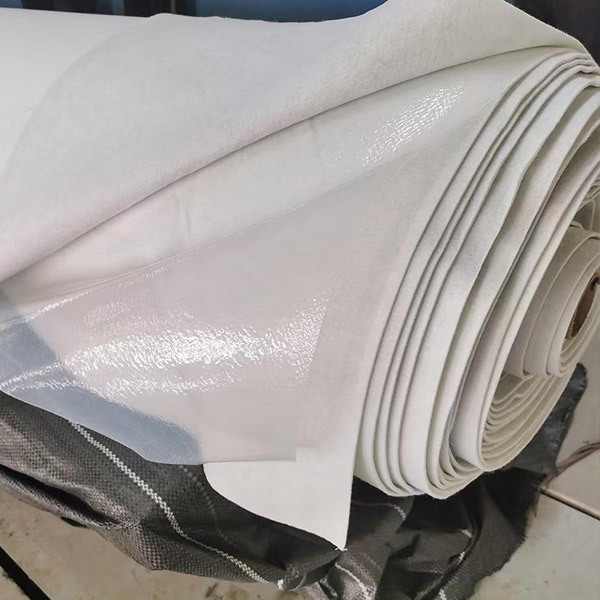
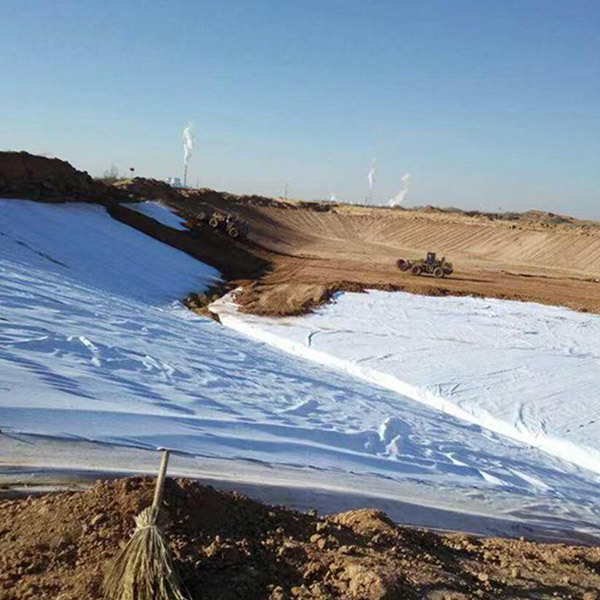
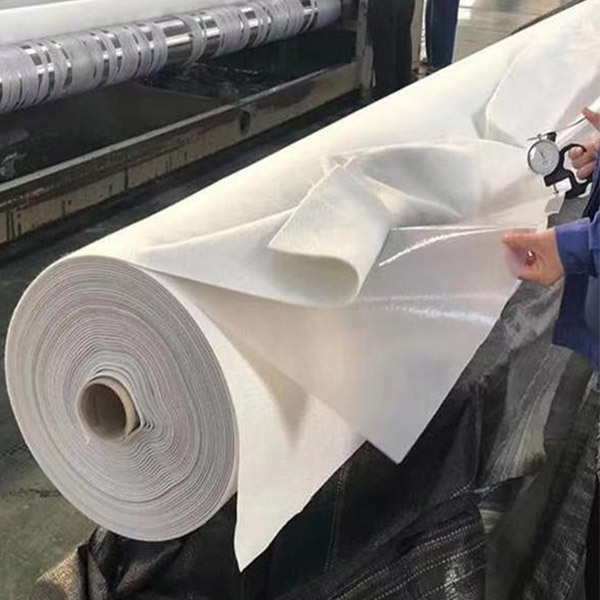
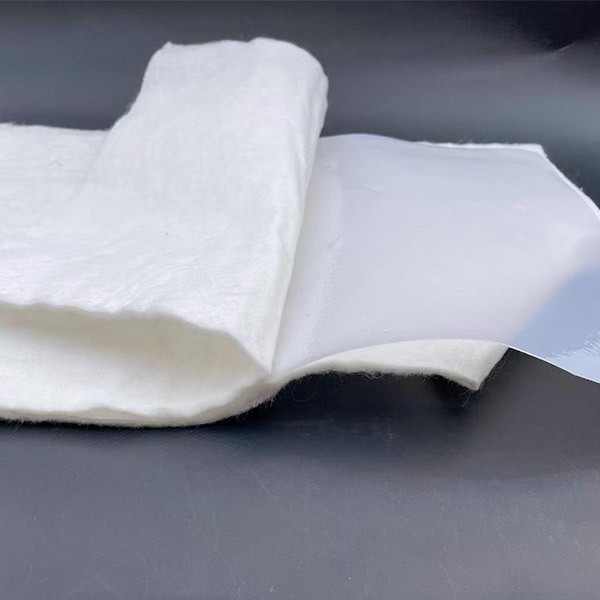
When considering the installation of geomembranes for your garden pond, several factors need to be taken into account. It’s essential to assess the size and shape of the pond, as well as the local soil conditions. Proper installation techniques are critical; the geomembrane must be laid flat and secured to prevent movement during heavy rains or due to the weight of the water. Additionally, using geotextile fabrics beneath the geomembrane can provide extra protection against punctures from sharp stones or roots.
In conclusion, geomembranes are an invaluable component in the construction of garden ponds, providing essential benefits such as water retention, environmental protection, and increased longevity. For professionals in the building and construction materials industry, incorporating geomembranes into your pond projects not only enhances the quality of your work but also contributes positively to the environment by promoting healthy aquatic ecosystems. Understanding the properties and correct applications of geomembranes enables you to deliver effective solutions for your clients’ garden pond needs.
Geomembranes are typically made from various materials, including polyethylene, polypropylene, and PVC. Each material has its strengths, but the most common choice for garden ponds is high-density polyethylene (HDPE) due to its excellent chemical resistance, UV stability, and flexibility. This makes HDPE geomembranes particularly suited for outdoor environments where they are subjected to varying temperatures and weather conditions.
One of the main advantages of using geomembranes in garden ponds is their ability to create a watertight seal. Without an effective barrier, water can seep into the ground, leading to erosion and loss of pond integrity. This not only affects the aesthetics of the pond but can also disrupt the ecosystem that depends on stable water levels. By properly installing a geomembrane, you can significantly enhance the longevity of your garden pond.
In addition to water retention, geomembranes also serve to protect the pond from external contaminants, such as soil leachates or chemicals from surrounding areas, which could harm aquatic life. They act as a protective layer, ensuring that the water remains clean and safe for plants and animals alike.
When considering the installation of geomembranes for your garden pond, several factors need to be taken into account. It’s essential to assess the size and shape of the pond, as well as the local soil conditions. Proper installation techniques are critical; the geomembrane must be laid flat and secured to prevent movement during heavy rains or due to the weight of the water. Additionally, using geotextile fabrics beneath the geomembrane can provide extra protection against punctures from sharp stones or roots.
In conclusion, geomembranes are an invaluable component in the construction of garden ponds, providing essential benefits such as water retention, environmental protection, and increased longevity. For professionals in the building and construction materials industry, incorporating geomembranes into your pond projects not only enhances the quality of your work but also contributes positively to the environment by promoting healthy aquatic ecosystems. Understanding the properties and correct applications of geomembranes enables you to deliver effective solutions for your clients’ garden pond needs.
Xinying·Strength for the Earth
Home
About Us
Contact Us
Email:xinyingcailiao@gmail.com
WhatsApp:+86 19953899723
Tel:+86 19953899723
Copyright ©