
How Geomembranes Are Revolutionizing Waste Management
Time:
Nov 19,2025
How Geomembranes Are Revolutionizing Waste Management Introduction to Geomembranes and Their Importance in Waste Management In today's environmentally conscious world, effective waste management is more critical than ever. **Geomembranes**, synthetic liners primarily used in construction and waste management, have emerged as essential materials in the quest for sustainable waste solutions. The
How Geomembranes Are Revolutionizing Waste Management
Introduction to Geomembranes and Their Importance in Waste Management
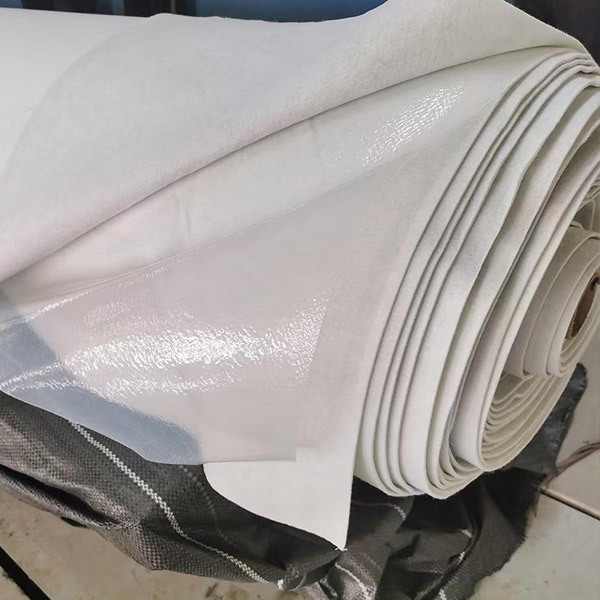
In today's environmentally conscious world, effective waste management is more critical than ever. **Geomembranes**, synthetic liners primarily used in construction and waste management, have emerged as essential materials in the quest for sustainable waste solutions. These impermeable barriers help contain liquids, prevent leachate migration, and protect natural resources, thus playing a vital role in modern waste disposal systems.
Understanding Geomembranes
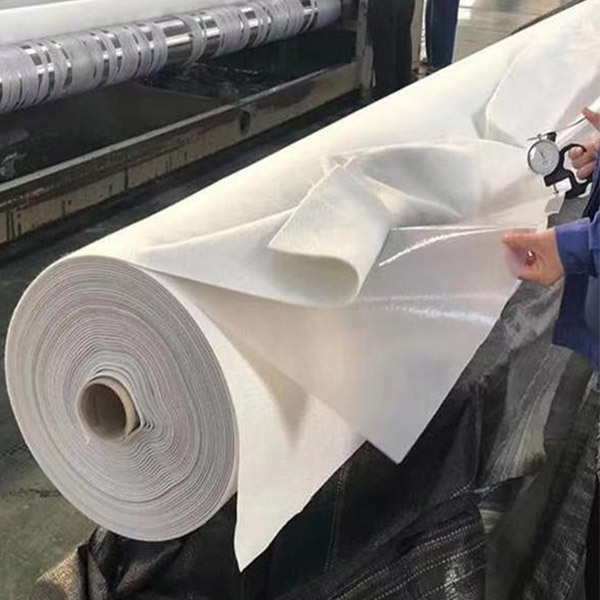
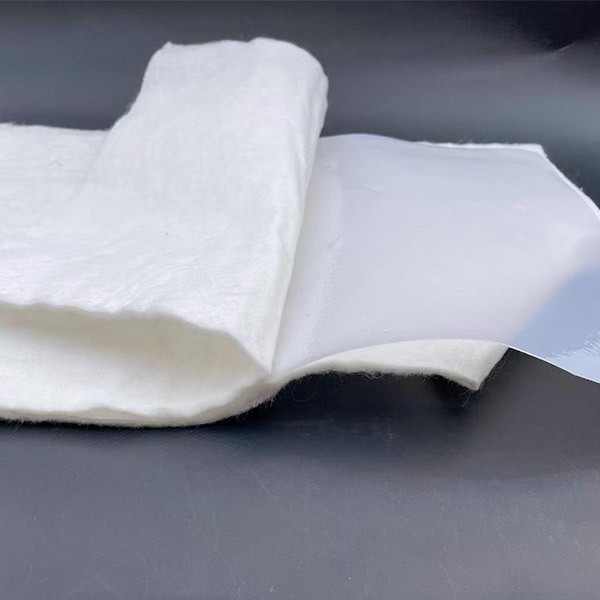
Geomembranes are made from various materials, including **polyethylene** (HDPE and LDPE), PVC, and other types of polymers. Their primary function is to act as a barrier against fluid migration. This capability is particularly crucial in areas such as landfills, mining, and environmental remediation projects. By preventing contaminants from leaching into the surrounding environment, geomembranes safeguard soil and groundwater resources.
The Composition and Types of Geomembranes
Geomembranes can be classified into several types, each with unique properties suited for specific applications:
1. High-Density Polyethylene (HDPE)
HDPE geomembranes are among the most commonly used types due to their durability and resistance to environmental stressors. Their high tensile strength makes them ideal for landfill applications.
2. Low-Density Polyethylene (LDPE)
LDPE geomembranes are characterized by their flexibility and ease of installation, making them suitable for applications that require conformity to irregular surfaces.
3. Polyvinyl Chloride (PVC)
PVC geomembranes are known for their chemical resistance and versatility, making them suitable for various waste management scenarios, including hazardous waste containment.
The Role of Geomembranes in Waste Management
Geomembranes play a pivotal role in several key areas of waste management:
1. Landfill Liners
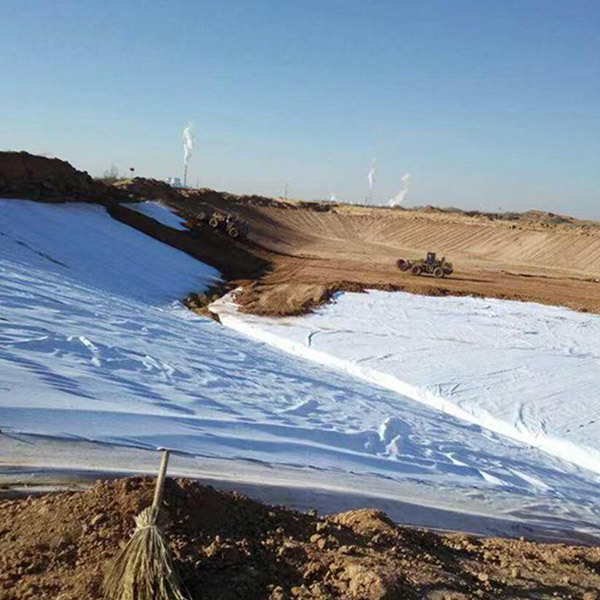
Landfills are essential for waste disposal, and geomembranes serve as liners to prevent leachate from contaminating groundwater. By creating a barrier, geomembranes ensure that toxic substances do not seep into the environment.
2. Contaminated Site Remediation
In the case of contaminated sites, geomembranes are employed to isolate hazardous materials and prevent further environmental degradation. Their impermeable nature allows for safe containment and remediation efforts.
3. Wastewater Treatment
In wastewater treatment facilities, geomembranes are utilized to create containment systems that prevent the escape of contaminants. They help ensure that treated water meets safety standards before being released into the environment.
Benefits of Using Geomembranes in Waste Management
The adoption of geomembranes in waste management systems offers numerous benefits that contribute to environmental sustainability and operational efficiency.
Enhanced Environmental Protection
By acting as barriers that prevent leachate migration, geomembranes protect groundwater and soil from contamination. This is crucial for maintaining healthy ecosystems and reducing the risk of pollution.
Cost-Effectiveness
While the initial investment in geomembranes may be significant, their long-term benefits far outweigh the costs. By preventing environmental damage, geomembranes can save money on potential remediation and legal fees associated with pollution.
Durability and Longevity
Geomembranes are designed to withstand harsh environmental conditions, ensuring a long lifespan. Their resistance to UV radiation, chemical exposure, and physical stress contributes to their effectiveness over time.
Ease of Installation
Modern geomembranes are lightweight and flexible, making them easier to transport and install compared to traditional materials. This efficiency reduces labor costs and minimizes project timelines.
Innovations in Geomembrane Technology
Advancements in geomembrane technology continue to enhance their effectiveness and application in waste management.
Smart Geomembranes
Emerging technologies have led to the development of smart geomembranes embedded with sensors. These sensors can monitor the integrity of the geomembrane in real-time, detecting leaks or breaches before they become significant issues.
Biodegradable Geomembranes
Research is underway to create biodegradable geomembranes that can decompose over time, reducing environmental impact. These innovations align with sustainability goals and offer exciting possibilities for the future of waste management.
Case Studies: Geomembranes in Action
Real-world applications of geomembranes highlight their versatility and effectiveness in waste management.
Landfill Applications
Numerous landfills worldwide utilize geomembranes to prevent leachate migration. For example, the **Fresh Kills Landfill** in New York City successfully implemented geomembranes to protect surrounding water resources during its closure process.
Mining Operations
In mining operations, geomembranes are integral to tailings storage facilities, preventing contamination of nearby water bodies. The **Waihi Gold Mine** in New Zealand showcases how geomembranes effectively contain hazardous waste while ensuring compliance with environmental regulations.
Future Trends in Geomembrane Utilization
As awareness of environmental issues grows, the demand for innovative waste management solutions is on the rise. We can expect geomembranes to play an increasingly vital role in waste management strategies.
Integration with Circular Economy Initiatives
Geomembranes are poised to support circular economy models by facilitating waste-to-energy processes and resource recovery. Their role in managing waste efficiently aligns with sustainable practices aimed at reducing landfill reliance.
Policy and Regulatory Support
Government regulations promoting sustainable waste management practices are likely to encourage the adoption of geomembranes. As environmental standards tighten, businesses will turn to geomembranes to ensure compliance and protect public health.
Challenges and Considerations in Geomembrane Use
Despite their many advantages, the use of geomembranes in waste management is not without challenges.
Installation Quality
The effectiveness of geomembranes relies heavily on proper installation. Inadequate installation can lead to leaks and failures, necessitating strict quality control measures during deployment.
Environmental Conditions
Extreme weather conditions can impact the performance of geomembranes. It is crucial to select the appropriate type of geomembrane based on the specific environmental conditions of the site.
Frequently Asked Questions (FAQs)
1. What are geomembranes used for in waste management?
Geomembranes are primarily used as barriers to prevent leachate migration, contain hazardous materials, and protect groundwater in landfill and remediation applications.
2. How do geomembranes contribute to environmental sustainability?
By preventing contamination of soil and water resources, geomembranes help maintain ecological balance and reduce the risk of pollution, thus promoting environmental sustainability.
3. Are there different types of geomembranes available?
Yes, geomembranes come in various types, including HDPE, LDPE, and PVC, each designed for specific applications and environmental conditions.
4. How do smart geomembranes work?
Smart geomembranes are embedded with sensors that monitor their condition in real-time, allowing for early detection of leaks or structural issues.
5. What challenges are associated with geomembrane installation?
Challenges include the need for proper installation techniques, environmental conditions affecting performance, and ensuring the selected geomembrane type is suitable for the specific application.
Conclusion
Geomembranes are at the forefront of revolutionizing waste management practices, addressing environmental concerns while enhancing operational efficiency. As technology continues to evolve and innovations emerge, we can anticipate geomembranes playing an even more significant role in sustainable waste solutions. By investing in these advanced materials, we pave the way for a cleaner, healthier planet, ensuring that waste is managed responsibly and effectively for future generations.
Xinying·Strength for the Earth
Home
About Us
Contact Us
Email:xinyingcailiao@gmail.com
WhatsApp:+86 19953899723
Tel:+86 19953899723
Copyright ©