
Top Benefits of Using Composite Geomembranes in Construction Projects
Time:
Nov 09,2025
Top Benefits of Using Composite Geomembranes in Construction Projects Introduction to Composite Geomembranes Composite geomembranes are engineered materials designed to provide effective containment and separation in a variety of construction applications. Made from a combination of different polymers, these geomembranes offer unparalleled strength and durability. They are widely utilized in c
Top Benefits of Using Composite Geomembranes in Construction Projects
Introduction to Composite Geomembranes
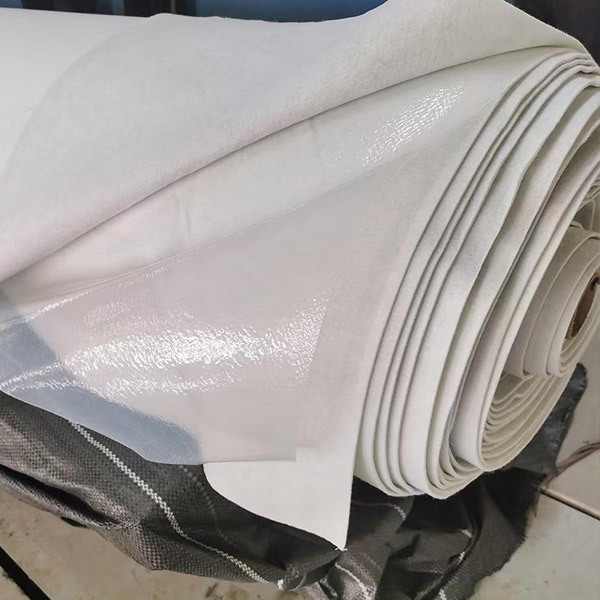
Composite geomembranes are engineered materials designed to provide effective containment and separation in a variety of construction applications. Made from a combination of different polymers, these geomembranes offer unparalleled strength and durability. They are widely utilized in civil engineering projects, landfill liners, water reservoirs, and environmental protection applications.
Understanding the Composition of Composite Geomembranes
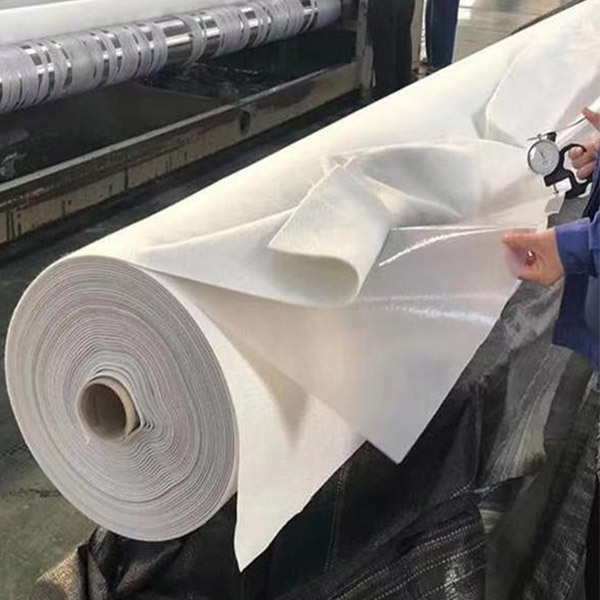
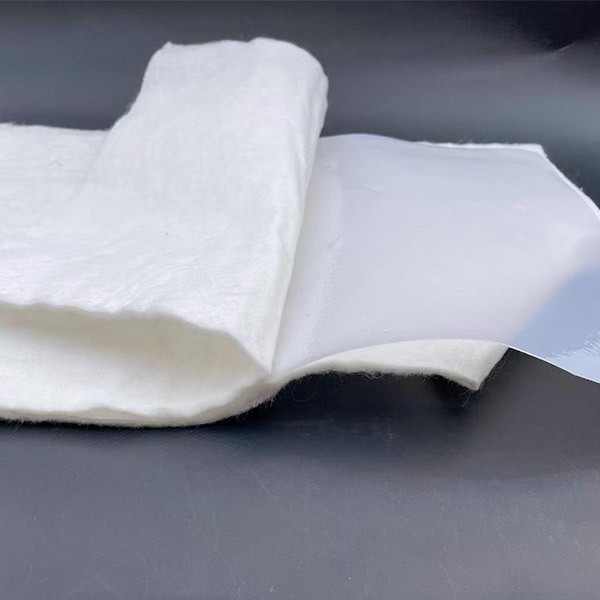
Composite geomembranes typically consist of a primary layer made from high-density polyethylene (HDPE) or linear low-density polyethylene (LLDPE), combined with a secondary layer that may include geotextiles or other materials. This combination enhances the physical properties of the geomembrane, making it suitable for demanding construction environments.
Key Components of Composite Geomembranes
- **HDPE and LLDPE**: These polymers provide excellent resistance to chemicals, UV radiation, and punctures.
- **Geotextiles**: Serve as a protective layer that enhances the geomembrane's overall strength and durability.
- **Adhesives**: Specialized adhesives are used to bond layers together, ensuring waterproof integrity and longevity in performance.
The Major Benefits of Using Composite Geomembranes
1. Enhanced Durability and Longevity
Composite geomembranes are known for their exceptional durability, with lifespans often exceeding 30 years in harsh environmental conditions. Their resistance to chemical degradation, UV exposure, and physical wear makes them an ideal choice for long-term construction projects.
2. Cost Effectiveness in the Long Run
While the initial investment in composite geomembranes may be higher compared to traditional materials, their longevity and low maintenance requirements result in significant cost savings over time. Reduced maintenance and replacement costs contribute to a lower total cost of ownership.
Initial Cost vs. Lifetime Cost Analysis
To better understand the financial implications, consider the comparison of initial installation costs versus projected long-term expenses related to maintenance and replacement. Composite geomembranes often demonstrate a favorable lifetime cost, proving their value in extensive projects.
3. Environmental Protection
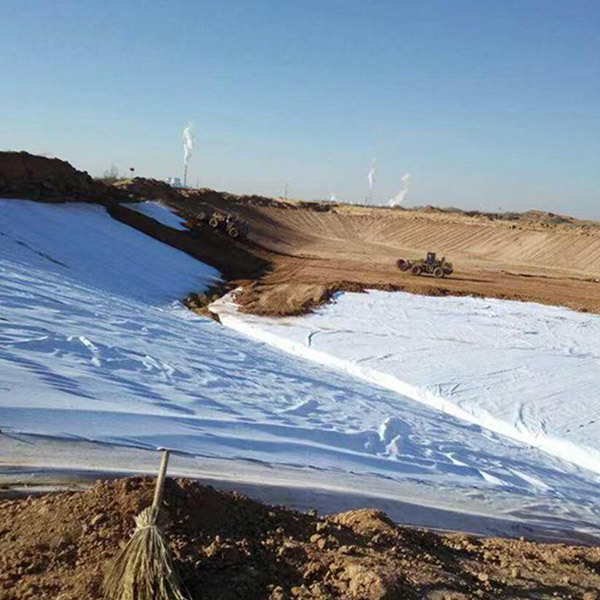
Composite geomembranes play a crucial role in environmental protection by preventing the leaching of harmful substances into the soil and groundwater. Their impermeable nature makes them essential for applications such as landfill liners, where they mitigate the risk of contamination.
Applications in Environmental Engineering
These geomembranes are employed in various environmental projects, including waste containment, stormwater management, and remediation efforts. Their effectiveness in containing pollutants ensures that construction projects comply with environmental regulations.
4. Versatility Across Different Applications
The adaptability of composite geomembranes allows them to be used in a wide range of applications, including:
- **Landfills**: For waste containment and pollution prevention.
- **Water Reservoirs**: Ensuring water retention and preventing leakage.
- **Mining Operations**: Managing tailings and preventing environmental degradation.
5. Simplified Installation Process
The installation of composite geomembranes is typically straightforward, requiring minimal specialized equipment. Their lightweight nature makes them easier to handle, reducing labor costs and time on-site.
Installation Techniques for Optimal Performance
Proper installation techniques are essential to maximize the performance of composite geomembranes. This includes careful attention to seams, anchoring, and environmental conditions during installation.
6. Improved Performance in Extreme Conditions
Composite geomembranes are engineered to withstand extreme temperatures, both hot and cold, making them suitable for diverse climatic conditions. Their performance remains consistent, regardless of environmental challenges.
7. Resistance to Punctures and Tears
The multi-layer construction of composite geomembranes enhances their resistance to punctures and tears, a critical factor in construction projects where mechanical damage is a concern. This resilience minimizes the risk of failure and the need for repairs.
Understanding Puncture Resistance Standards
Puncture resistance is often quantified using industry standards, helping project managers select the appropriate geomembrane based on specific project requirements.
8. Aesthetic Flexibility in Design
Beyond functionality, composite geomembranes can be produced in various colors and textures, offering aesthetic flexibility for projects that require visual considerations, such as artificial lakes or recreational areas.
Common Misconceptions About Composite Geomembranes
1. They Are Only Suitable for Landfill Applications
Many believe that geomembranes are exclusively for landfill use. In reality, their versatility allows for applications in water management, mining, and even recreational projects.
2. They Are Too Expensive for Small Projects
While initial costs may seem high, the long-term savings and durability make them cost-effective even for smaller projects. The investment pays off in reduced maintenance and increased lifespan.
FAQs about Composite Geomembranes
1. What are composite geomembranes made of?
Composite geomembranes are typically made from a combination of high-density polyethylene (HDPE) or linear low-density polyethylene (LLDPE) and geotextiles, offering enhanced strength and durability.
2. How long do composite geomembranes last?
With proper installation and maintenance, composite geomembranes can last over 30 years, making them a long-term solution for various construction projects.
3. Are composite geomembranes environmentally friendly?
Yes, they play a crucial role in environmental protection by preventing the leaching of harmful substances and are often recyclable at the end of their life cycle.
4. Can composite geomembranes be used in cold climates?
Absolutely! Composite geomembranes are designed to perform well in extreme temperatures, both hot and cold, ensuring reliability in diverse climates.
5. What is the installation process for composite geomembranes?
The installation process involves site preparation, laying out the geomembrane, securing seams, and ensuring proper anchoring to prevent movement. Professional installation is recommended for optimal performance.
Conclusion
In summary, composite geomembranes offer a multitude of benefits that make them an ideal choice for various construction projects. Their durability, cost-effectiveness, environmental protection capabilities, and versatility are just a few reasons why they are becoming increasingly popular in the industry. As construction practices evolve, the importance of choosing high-quality materials cannot be overstated. By investing in composite geomembranes, project managers can ensure the longevity and success of their projects while minimizing environmental impact. Embracing these innovative materials is a step towards achieving sustainable and efficient construction solutions.
Xinying·Strength for the Earth
Home
About Us
Contact Us
Email:xinyingcailiao@gmail.com
WhatsApp:+86 19953899723
Tel:+86 19953899723
Copyright ©