
Understanding Waterproof Composite Geomembrane: A Key Material in Construction
Time:
Nov 04,2025
Waterproof composite geomembranes have emerged as a vital component in various construction and landscaping applications. These specialized membranes are designed to provide reliable waterproofing solutions, safeguarding structures against water intrusion and environmental damage. Understanding the properties and uses of waterproof composite geomembranes can help professionals in the construction
Waterproof composite geomembranes have emerged as a vital component in various construction and landscaping applications. These specialized membranes are designed to provide reliable waterproofing solutions, safeguarding structures against water intrusion and environmental damage. Understanding the properties and uses of waterproof composite geomembranes can help professionals in the construction industry make informed decisions about materials for their projects.
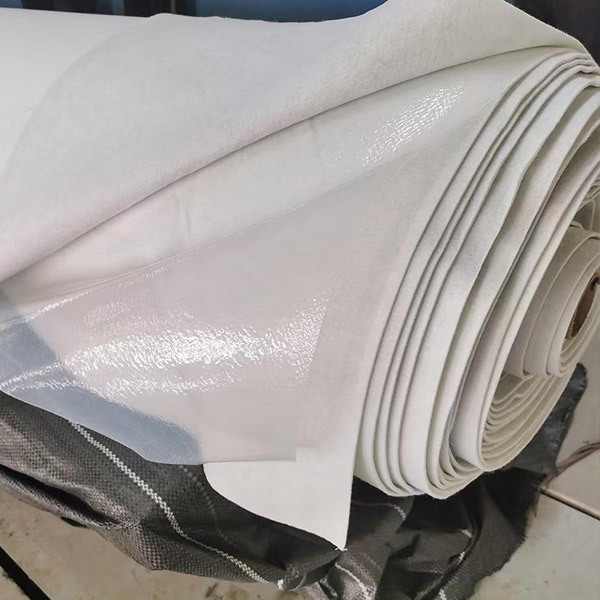
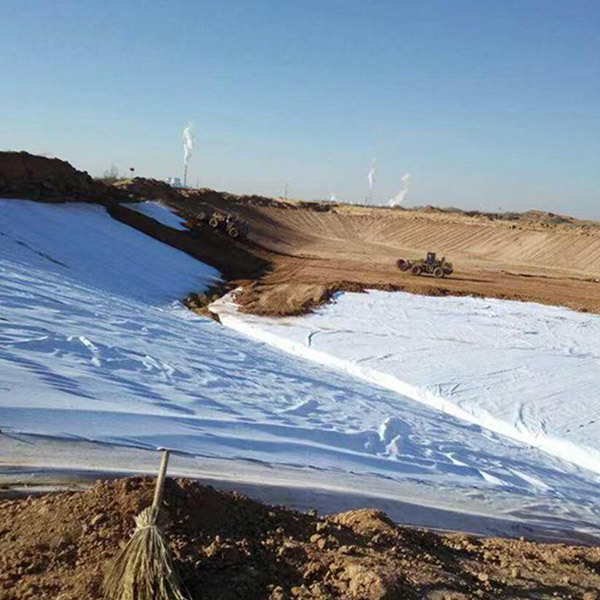
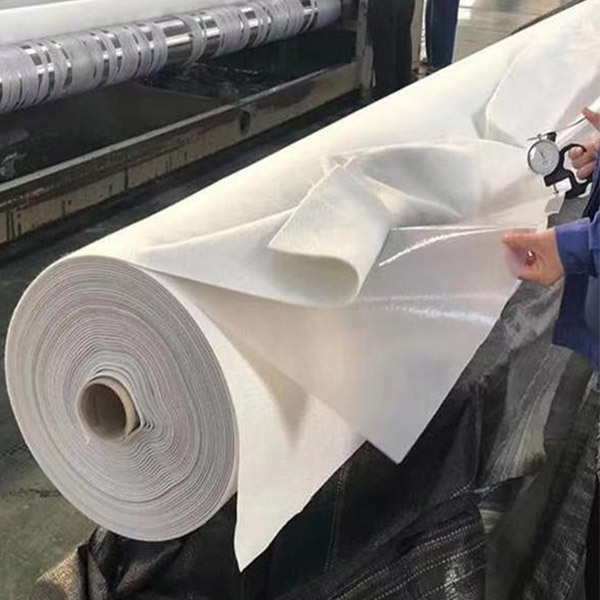
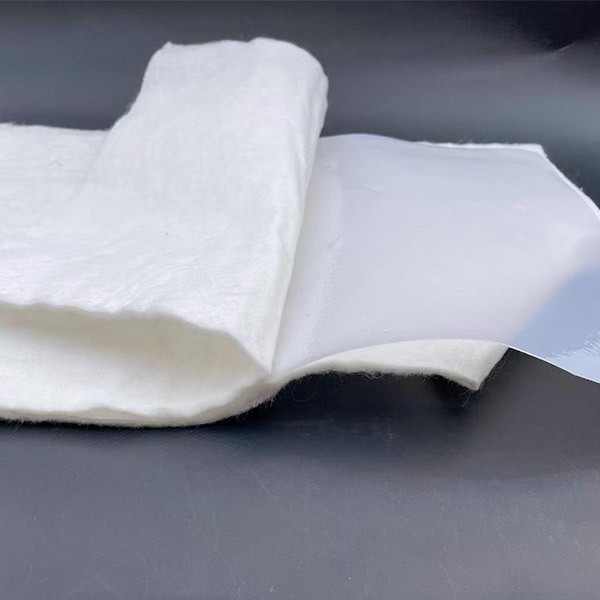
One of the key features of waterproof composite geomembranes is their multilayer structure, which typically consists of a combination of polymeric materials and geotextiles. This composite design not only enhances the material's overall strength and durability but also improves its resistance to punctures and tears. As a result, waterproof composite geomembranes are particularly effective in applications where soil movement or mechanical stresses are a concern, such as landfills, reservoirs, and ponds.
In addition to their mechanical advantages, these geomembranes play a crucial role in environmental protection. By effectively preventing water from permeating through the ground, they help manage groundwater levels, reduce soil erosion, and minimize contamination from hazardous materials. This makes them especially valuable in the construction of containment systems for waste management, where preventing leachate from escaping into the surrounding environment is critical.
Furthermore, waterproof composite geomembranes offer versatility in various climatic conditions. They are designed to withstand extreme temperatures, UV radiation, and chemical exposure, which is essential for projects that require long-term durability. Whether used in civil engineering applications or for landscaping purposes, these geomembranes maintain their integrity and performance over time, ensuring that underlying structures remain protected against water damage.
Installation of waterproof composite geomembranes is relatively straightforward, requiring proper surface preparation to ensure adhesion and avoid premature failure. Professionals in the industry often recommend employing skilled installers familiar with geomembrane techniques to achieve optimal results. This ensures a tight and secure fit, further enhancing the effectiveness of the barrier against water infiltration.
In conclusion, waterproof composite geomembranes are an indispensable asset in the construction and landscaping industries. Their robust design, environmental benefits, and adaptability make them a preferred choice for a wide range of applications. Understanding the advantages of these geomembranes can empower construction professionals to select the right materials for their projects, ultimately leading to more durable and sustainable structures. Whether addressing wastewater management or protecting valuable infrastructure, waterproof composite geomembranes stand out as a reliable solution for effective waterproofing.
One of the key features of waterproof composite geomembranes is their multilayer structure, which typically consists of a combination of polymeric materials and geotextiles. This composite design not only enhances the material's overall strength and durability but also improves its resistance to punctures and tears. As a result, waterproof composite geomembranes are particularly effective in applications where soil movement or mechanical stresses are a concern, such as landfills, reservoirs, and ponds.
In addition to their mechanical advantages, these geomembranes play a crucial role in environmental protection. By effectively preventing water from permeating through the ground, they help manage groundwater levels, reduce soil erosion, and minimize contamination from hazardous materials. This makes them especially valuable in the construction of containment systems for waste management, where preventing leachate from escaping into the surrounding environment is critical.
Furthermore, waterproof composite geomembranes offer versatility in various climatic conditions. They are designed to withstand extreme temperatures, UV radiation, and chemical exposure, which is essential for projects that require long-term durability. Whether used in civil engineering applications or for landscaping purposes, these geomembranes maintain their integrity and performance over time, ensuring that underlying structures remain protected against water damage.
Installation of waterproof composite geomembranes is relatively straightforward, requiring proper surface preparation to ensure adhesion and avoid premature failure. Professionals in the industry often recommend employing skilled installers familiar with geomembrane techniques to achieve optimal results. This ensures a tight and secure fit, further enhancing the effectiveness of the barrier against water infiltration.
In conclusion, waterproof composite geomembranes are an indispensable asset in the construction and landscaping industries. Their robust design, environmental benefits, and adaptability make them a preferred choice for a wide range of applications. Understanding the advantages of these geomembranes can empower construction professionals to select the right materials for their projects, ultimately leading to more durable and sustainable structures. Whether addressing wastewater management or protecting valuable infrastructure, waterproof composite geomembranes stand out as a reliable solution for effective waterproofing.
Xinying·Strength for the Earth
Home
About Us
Contact Us
Email:xinyingcailiao@gmail.com
WhatsApp:+86 19953899723
Tel:+86 19953899723
Copyright ©