
Understanding the Role of Terpal HDPE Geomembrane in Construction Projects
Time:
Oct 25,2025
In the realm of construction and decorative materials, the use of geomembranes, specifically Terpal HDPE geomembranes, has become increasingly vital. These materials play an essential role in various construction projects, particularly in applications requiring durable and effective barrier solutions. HDPE stands for High-Density Polyethylene, a thermoplastic polymer renowned for its strength and
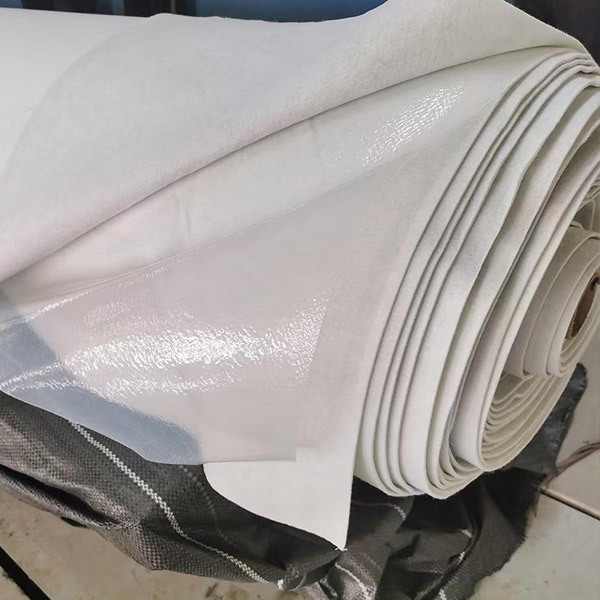
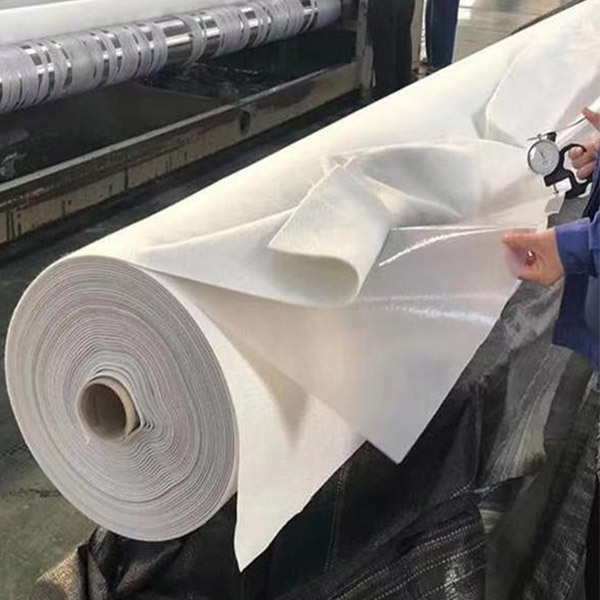
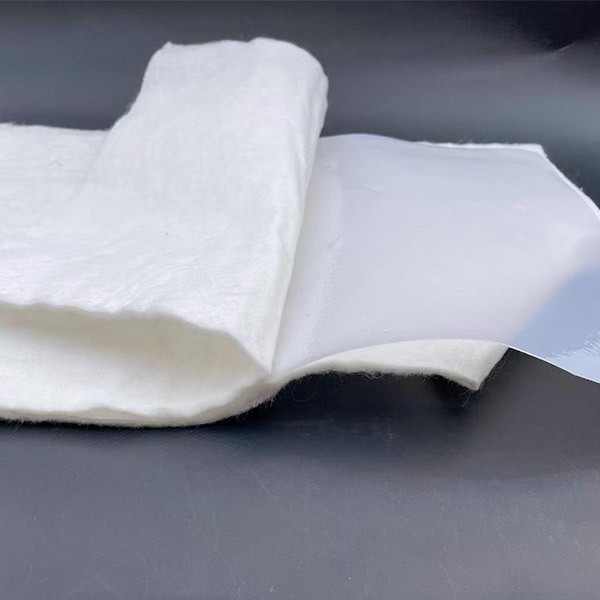
In the realm of construction and decorative materials, the use of geomembranes, specifically Terpal HDPE geomembranes, has become increasingly vital. These materials play an essential role in various construction projects, particularly in applications requiring durable and effective barrier solutions. HDPE stands for High-Density Polyethylene, a thermoplastic polymer renowned for its strength and chemical resistance, making it an ideal choice for geomembrane applications.
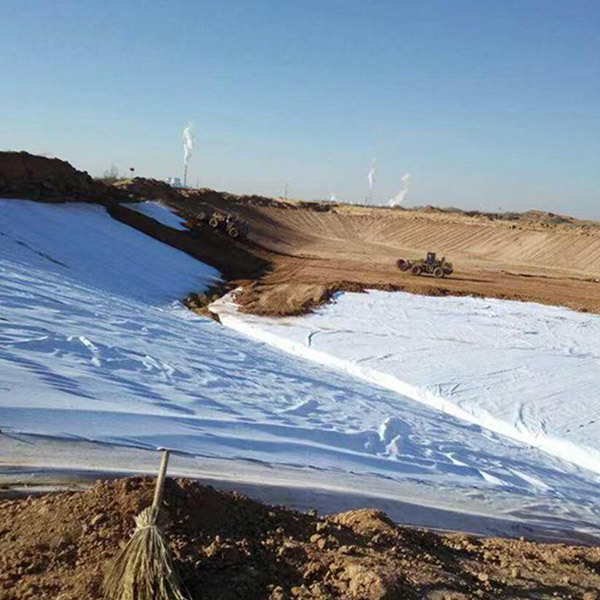
One of the primary functions of Terpal HDPE geomembranes is to provide a reliable barrier against water and other liquids. In projects such as landfill liners, pond liners, and containment facilities, these geomembranes are crucial for preventing leaks and ensuring environmental protection. The impermeability of HDPE not only safeguards the surrounding environment but also minimizes maintenance costs associated with water damage or contamination.
Moreover, Terpal HDPE geomembranes are known for their excellent UV resistance. This characteristic is particularly beneficial in outdoor applications where exposure to sunlight can degrade lesser materials. The durability of HDPE geomembranes ensures a longer lifespan and reduces the necessity for frequent replacements, enhancing the overall cost-effectiveness of construction projects.
Another significant advantage of using Terpal HDPE geomembranes is their ease of installation. They are lightweight and flexible, allowing for straightforward handling and deployment on-site. This flexibility can lead to reduced labor costs and shorter installation timelines, making them an attractive option for contractors and project managers.
In addition to their physical properties, the versatility of Terpal HDPE geomembranes is noteworthy. They can be employed in various applications beyond water containment, such as soil stabilization, road construction, and even agricultural applications. This adaptability means that construction teams can utilize the same material for multiple purposes, streamlining their resource management and procurement processes.
Furthermore, the use of Terpal HDPE geomembranes aligns with sustainable construction practices. By effectively managing water and waste, these materials contribute to environmentally-friendly outcomes that comply with modern regulations and standards. As the construction industry increasingly focuses on sustainability, the demand for high-quality geomembranes like those produced by Terpal is likely to grow.
In conclusion, Terpal HDPE geomembranes represent a critical component in the construction materials sector, offering a range of benefits including durability, ease of installation, and environmental protection. As construction projects continue to evolve, understanding the role and advantages of these geomembranes can empower professionals to make informed decisions, ultimately leading to more successful and sustainable outcomes in their projects.
One of the primary functions of Terpal HDPE geomembranes is to provide a reliable barrier against water and other liquids. In projects such as landfill liners, pond liners, and containment facilities, these geomembranes are crucial for preventing leaks and ensuring environmental protection. The impermeability of HDPE not only safeguards the surrounding environment but also minimizes maintenance costs associated with water damage or contamination.
Moreover, Terpal HDPE geomembranes are known for their excellent UV resistance. This characteristic is particularly beneficial in outdoor applications where exposure to sunlight can degrade lesser materials. The durability of HDPE geomembranes ensures a longer lifespan and reduces the necessity for frequent replacements, enhancing the overall cost-effectiveness of construction projects.
Another significant advantage of using Terpal HDPE geomembranes is their ease of installation. They are lightweight and flexible, allowing for straightforward handling and deployment on-site. This flexibility can lead to reduced labor costs and shorter installation timelines, making them an attractive option for contractors and project managers.
In addition to their physical properties, the versatility of Terpal HDPE geomembranes is noteworthy. They can be employed in various applications beyond water containment, such as soil stabilization, road construction, and even agricultural applications. This adaptability means that construction teams can utilize the same material for multiple purposes, streamlining their resource management and procurement processes.
Furthermore, the use of Terpal HDPE geomembranes aligns with sustainable construction practices. By effectively managing water and waste, these materials contribute to environmentally-friendly outcomes that comply with modern regulations and standards. As the construction industry increasingly focuses on sustainability, the demand for high-quality geomembranes like those produced by Terpal is likely to grow.
In conclusion, Terpal HDPE geomembranes represent a critical component in the construction materials sector, offering a range of benefits including durability, ease of installation, and environmental protection. As construction projects continue to evolve, understanding the role and advantages of these geomembranes can empower professionals to make informed decisions, ultimately leading to more successful and sustainable outcomes in their projects.
Xinying·Strength for the Earth
Home
About Us
Contact Us
Email:xinyingcailiao@gmail.com
WhatsApp:+86 19953899723
Tel:+86 19953899723
Copyright ©