
Exploring the Advantages of EPI Geomembrane in Modern Construction Projects
Time:
Oct 20,2025
Exploring the Advantages of EPI Geomembrane in Modern Construction Projects The construction industry is constantly evolving, with new materials and techniques emerging to enhance project efficiency and sustainability. One such innovation is the EPI geomembrane, a versatile and effective solution for various construction needs. This article provides an in-depth exploration of the benefits of EPI g
Exploring the Advantages of EPI Geomembrane in Modern Construction Projects
The construction industry is constantly evolving, with new materials and techniques emerging to enhance project efficiency and sustainability. One such innovation is the EPI geomembrane, a versatile and effective solution for various construction needs. This article provides an in-depth exploration of the benefits of EPI geomembrane, examining its applications, advantages, and how it can transform construction projects for the better.
Table of Contents
- 1. Introduction to EPI Geomembrane
- 2. What is EPI Geomembrane?
- 3. Key Benefits of EPI Geomembrane
- 3.1 Durability and Longevity
- 3.2 Environmental Safety and Protection
- 3.3 Cost-Effectiveness
- 3.4 Ease of Installation
- 4. Applications of EPI Geomembrane in Construction
- 5. Comparison with Other Geomembrane Materials
- 6. Case Studies Demonstrating EPI Geomembrane Success
- 7. Frequently Asked Questions
- 8. Conclusion
1. Introduction to EPI Geomembrane
In the context of modern construction, the need for reliable and effective barrier solutions has never been more critical. Environmental concerns, regulatory standards, and the demand for sustainable practices are driving the industry towards materials that can offer long-term solutions. EPI geomembrane is at the forefront of this shift, providing a robust option for various applications. This article examines the multifaceted benefits of EPI geomembrane, explaining why it is becoming a preferred choice for construction projects.
2. What is EPI Geomembrane?
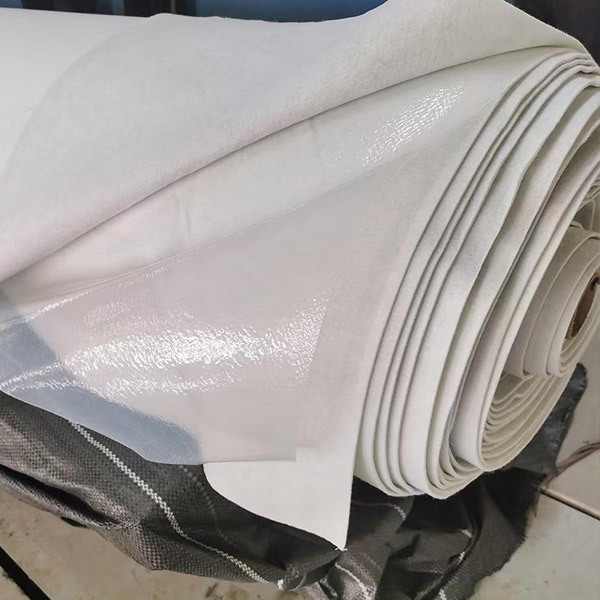
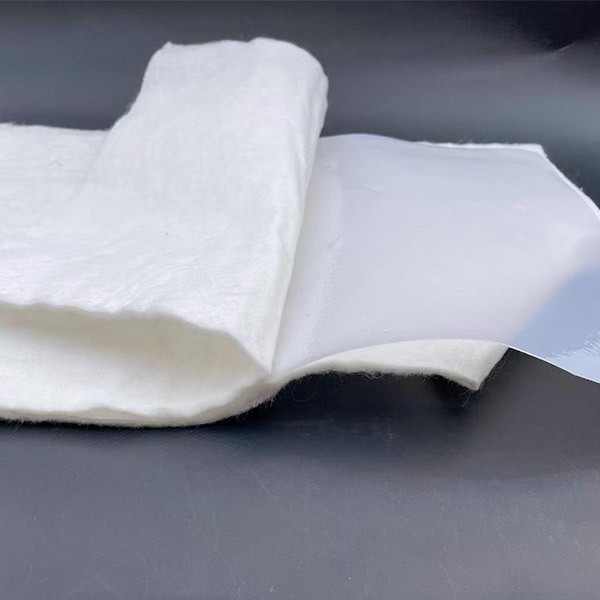
EPI geomembrane refers to a specific type of high-density polyethylene (HDPE) membrane that is designed for containment and environmental protection. Manufactured by Environmental Protection, Inc. (EPI), this product is renowned for its excellent chemical resistance, UV stability, and mechanical strength. Its design allows it to serve as a barrier against water, contaminants, and other environmental hazards, making it an ideal choice for various construction applications.
Key Features of EPI Geomembrane
EPI geomembrane boasts a range of key features that set it apart from other geomembranes, including:
- Exceptional resistance to punctures and tears
- High tensile strength and elasticity
- Resilience against UV exposure
- Low permeability to liquids and gases
3. Key Benefits of EPI Geomembrane
3.1 Durability and Longevity
One of the most significant advantages of EPI geomembrane is its durability. Designed to withstand harsh environmental conditions, EPI geomembrane maintains its structural integrity over time. Its resistance to punctures and tears ensures that it can endure the stresses of construction activities and natural elements, leading to longer service life and reduced need for replacement.
3.2 Environmental Safety and Protection
Using EPI geomembrane in construction projects enhances environmental safety by preventing contamination of soil and groundwater. Its low permeability ensures that harmful substances do not leach into the surrounding environment, making it an essential tool for landfill projects, mining operations, and other applications where chemical containment is critical.
3.3 Cost-Effectiveness
While the initial investment in EPI geomembrane may seem higher compared to other materials, its long-term cost-effectiveness becomes apparent when considering maintenance savings and reduced replacement costs. The durability and reliability of EPI geomembrane lead to fewer interruptions and lower lifecycle costs, making it a wise choice for budget-conscious projects.
3.4 Ease of Installation
EPI geomembrane is designed for straightforward installation, minimizing downtime during construction. Its lightweight nature allows for easier handling and positioning on-site. Additionally, the geomembrane can be welded together using specialized techniques, creating a seamless barrier that enhances performance and reliability.
4. Applications of EPI Geomembrane in Construction
4.1 Use in Landfills
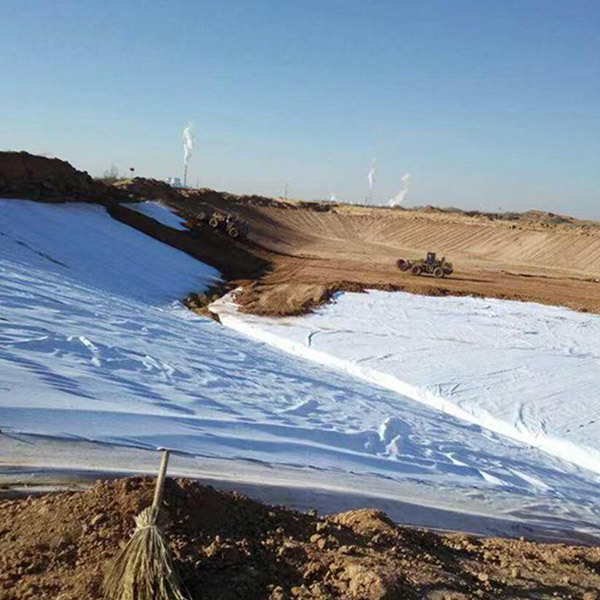
EPI geomembrane is widely used in landfill applications to contain waste and prevent leachate from contaminating the surrounding environment. With its robust barrier properties, it effectively isolates hazardous materials, ensuring environmental compliance and safeguarding public health.
4.2 Water Resources Management
In water resources management, EPI geomembrane plays a crucial role in creating effective barriers for reservoirs, ponds, and lagoons. It prevents water loss through seepage and protects against contamination, ultimately enhancing water conservation efforts.
4.3 Civil Engineering Projects
Civil engineering projects, such as road construction and foundation work, benefit from the use of EPI geomembrane for its ability to control groundwater and manage hydrostatic pressure. It provides stability and safety to structures by minimizing water-related issues.
5. Comparison with Other Geomembrane Materials
When considering geomembranes for construction projects, it is essential to compare EPI geomembrane with other types available in the market, such as PVC and LLDPE (Linear Low-Density Polyethylene). While PVC geomembranes may offer lower upfront costs, they often lack the same level of durability and environmental protection. LLDPE geomembranes, while flexible, may not provide the puncture resistance and longevity that EPI geomembrane offers. Ultimately, EPI geomembrane stands out for its overall performance and reliability.
6. Case Studies Demonstrating EPI Geomembrane Success
Numerous projects have successfully utilized EPI geomembrane, showcasing its effectiveness. For instance, a recent landfill project in California adopted EPI geomembrane to contain waste and manage leachate. The project reported significant cost savings due to reduced maintenance needs and enhanced environmental protection. Another example includes a water reservoir in Texas, where EPI geomembrane effectively minimized water loss, ensuring the sustainability of local water resources.
7. Frequently Asked Questions
What is the lifespan of EPI geomembrane?
With proper installation and maintenance, EPI geomembrane can last for several decades, ensuring long-term protection and functionality.
Is EPI geomembrane environmentally friendly?
Yes, EPI geomembrane is designed to prevent contamination, making it a safe choice for projects concerned with environmental protection.
Can EPI geomembrane be recycled?
Yes, EPI geomembrane can be recycled, contributing to sustainability efforts in the construction industry.
How is EPI geomembrane installed?
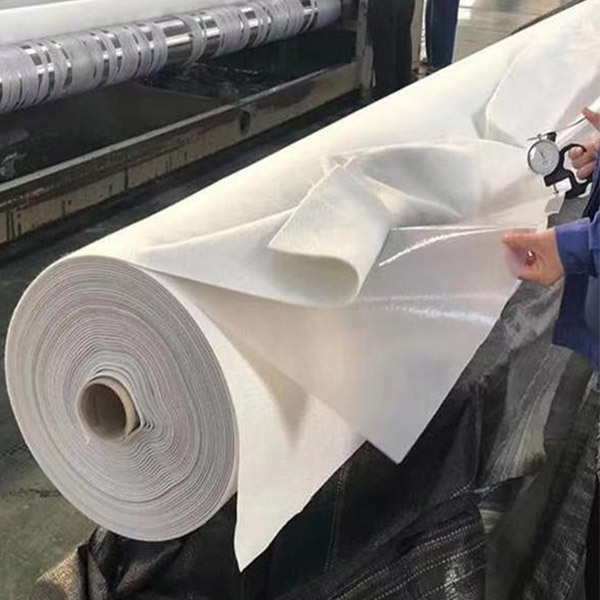
EPI geomembrane is typically installed by rolling out the material and welding seams together for a seamless barrier. Proper training and equipment are essential for effective installation.
What are the maintenance requirements for EPI geomembrane?
Regular inspections are recommended to check for any potential damage. Repairs, if needed, can be conducted easily using specialized methods.
8. Conclusion
In summary, EPI geomembrane offers a wealth of benefits for modern construction projects, from durability and environmental safety to cost-effectiveness and ease of installation. Its versatility makes it suitable for various applications, including landfills, water resource management, and civil engineering projects. By choosing EPI geomembrane, construction professionals can ensure they are investing in a high-quality product that meets the demands of today’s standards while contributing to a sustainable future. Embrace the advantages of EPI geomembrane and elevate your construction projects to new heights.
Xinying·Strength for the Earth
Home
About Us
Contact Us
Email:xinyingcailiao@gmail.com
WhatsApp:+86 19953899723
Tel:+86 19953899723
Copyright ©