
Innovative Applications of EPI Geomembrane in the Construction Industry
Time:
Apr 08,2025
Innovative Applications of EPI Geomembrane in the Field Introduction to EPI Geomembrane EPI geomembranes, made from high-density polyethylene (HDPE) and other polymers, are crucial in various construction and environmental applications. Their primary function is to act as a barrier against liquids and gases, ensuring efficient containment and environmental protection. As industries seek sustai
Innovative Applications of EPI Geomembrane in the Field
Introduction to EPI Geomembrane
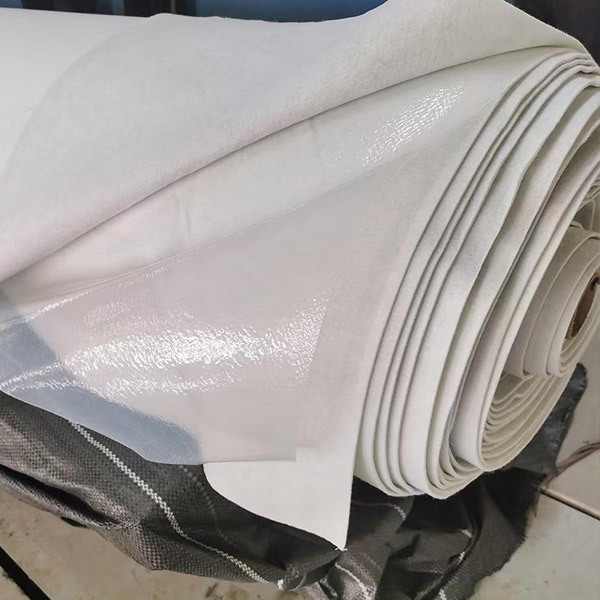
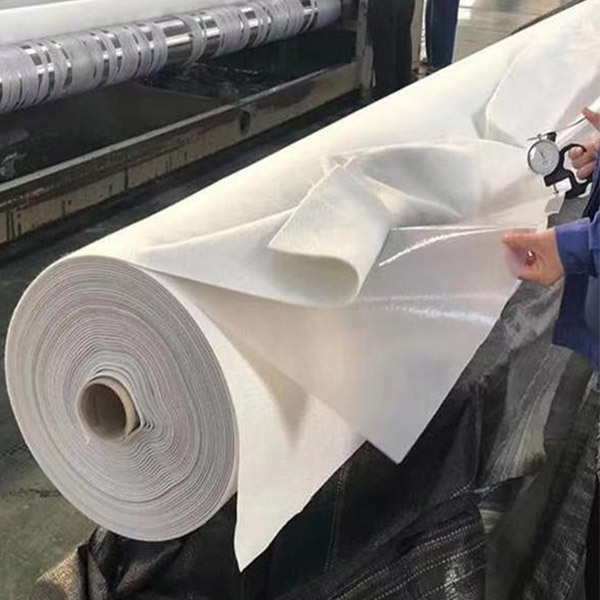
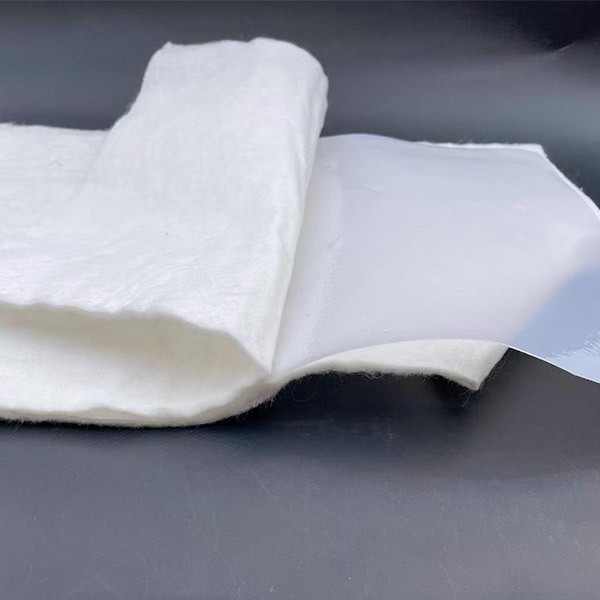
EPI geomembranes, made from high-density polyethylene (HDPE) and other polymers, are crucial in various construction and environmental applications. Their primary function is to act as a barrier against liquids and gases, ensuring efficient containment and environmental protection. As industries seek sustainable and cost-effective solutions, the demand for EPI geomembranes continues to grow. This article explores the innovative applications of EPI geomembranes in the field, highlighting their significance in contemporary construction projects.
Understanding the Properties of EPI Geomembranes
EPI geomembranes possess unique characteristics that make them suitable for a range of applications:
1. Durability and Longevity
EPI geomembranes are designed to withstand harsh environmental conditions. Their resistance to chemicals, UV rays, and extreme temperatures ensures a long lifespan, making them a reliable choice for construction projects.
2. Environmental Protection
These geomembranes play a vital role in protecting the environment by preventing the leakage of hazardous materials into the soil and groundwater. Their impermeability contributes significantly to environmental safety.
3. Flexibility and Ease of Installation
EPI geomembranes are flexible, allowing for easy installation even in complex terrains. This adaptability reduces labor costs and installation time, contributing to project efficiency.
4. Cost-Effectiveness
Investing in EPI geomembranes is economically advantageous. Their durability and low maintenance requirements lead to significant long-term savings, making them an attractive option for contractors and project managers.
Key Applications of EPI Geomembranes
EPI geomembranes have diverse applications across various sectors. Here are some of the most innovative uses:
1. Landfill Liners
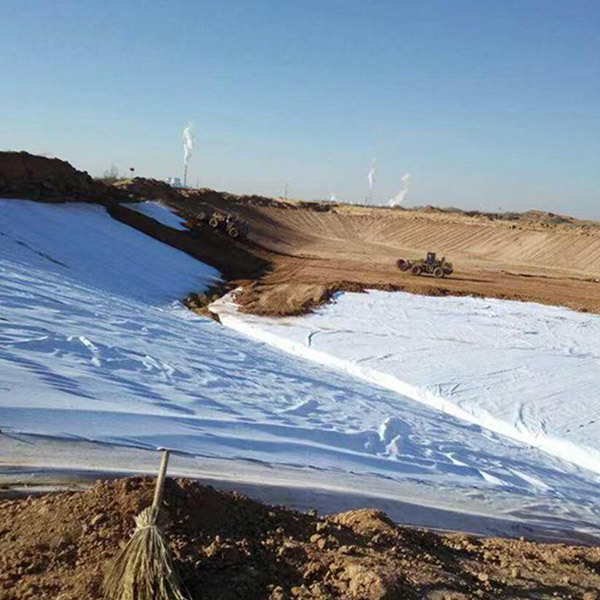
EPI geomembranes serve as liners for landfills, preventing leachate from contaminating the surrounding soil and groundwater. Their effectiveness in waste containment makes them essential for modern waste management practices.
2. Pond and Lagoon Liners
In agricultural and industrial settings, EPI geomembranes are used as liners for ponds and lagoons. They ensure the safe containment of liquids, such as fertilizers and chemicals, while minimizing evaporation and seepage.
3. Mining Applications
The mining industry utilizes EPI geomembranes for various purposes, including tailings ponds and heap leach pads. Their robust properties help manage water run-off and prevent contamination of surrounding ecosystems.
4. Water Reservoirs
EPI geomembranes are ideal for lining water reservoirs, ensuring the preservation of stored water while preventing leakage. Their use in this capacity contributes to better water resource management.
5. Environmental Remediation Projects
In environmental remediation, EPI geomembranes play a crucial role in containing contaminated materials. Their use facilitates the safe storage and treatment of hazardous waste, ensuring compliance with environmental regulations.
6. Road and Highway Construction
EPI geomembranes are increasingly being incorporated into road and highway construction. They provide moisture management solutions, enhancing the longevity of pavement structures.
Technological Advancements in EPI Geomembranes
Recent advancements in technology have led to the development of more efficient and durable EPI geomembranes. Innovations such as advanced polymer formulations and enhanced manufacturing processes have improved their performance.
1. Enhanced UV Resistance
Modern EPI geomembranes feature improved UV resistance, extending their lifespan even in outdoor applications exposed to sunlight.
2. Customization Options
Manufacturers now offer customizable options for EPI geomembranes, allowing projects to specify thickness, color, and other properties to meet specific requirements.
3. Eco-Friendly Materials
Sustainability is a growing concern in the construction industry. Eco-friendly EPI geomembranes are being developed from recyclable materials, aligning with global sustainability goals.
Case Studies: Successful Implementation of EPI Geomembranes
Examining real-world applications of EPI geomembranes provides valuable insights into their effectiveness.
1. Urban Landfill Project
A recent urban landfill project utilized EPI geomembranes as liners, successfully preventing leachate from contaminating local water sources. The project showcased the durability and reliability of EPI geomembranes in waste management.
2. Agricultural Pond Linings
In agricultural settings, a series of ponds lined with EPI geomembranes demonstrated significantly reduced evaporation rates, leading to improved water conservation practices among farmers.
Challenges and Considerations in Using EPI Geomembranes
While EPI geomembranes offer numerous advantages, there are challenges to consider:
1. Installation Quality
The effectiveness of EPI geomembranes largely depends on proper installation. Inadequate installation can lead to leaks and other issues, emphasizing the need for skilled labor.
2. Material Compatibility
Compatibility with other construction materials is crucial. Ensuring that EPI geomembranes are compatible with soil types and other materials is essential for optimal performance.
3. Cost Implications
While EPI geomembranes are cost-effective in the long run, the initial investment may be higher than traditional solutions. Assessing the total cost of ownership is vital for project stakeholders.
The Future of EPI Geomembranes in Construction
The future of EPI geomembranes looks promising, with ongoing research and development paving the way for more innovative applications.
1. Increased Focus on Sustainability
As the construction industry pivots towards sustainability, the demand for eco-friendly EPI geomembranes will likely increase. Innovations in material science will drive this trend.
2. Integration with Smart Technologies
The integration of smart technologies, such as sensors for leak detection, is on the horizon. These advancements will enhance the functionality of EPI geomembranes and improve monitoring capabilities.
Conclusion
EPI geomembranes represent a pivotal development in the construction and environmental sectors, offering innovative solutions for containment, sustainability, and project efficiency. Their diverse applications across landfills, agricultural ponds, mining, and more highlight their versatility and importance in modern construction practices. As technology progresses and the industry embraces sustainability, EPI geomembranes will undoubtedly play a crucial role in shaping the future of construction. Embracing these innovative materials can lead to improved project outcomes, environmental protection, and cost savings for stakeholders.
Frequently Asked Questions (FAQs)
1. What are EPI geomembranes made of?
EPI geomembranes are primarily made from high-density polyethylene (HDPE) and other polymers, ensuring durability and impermeability.
2. How long do EPI geomembranes last?
With proper installation and maintenance, EPI geomembranes can last several decades, making them a cost-effective solution for many projects.
3. Can EPI geomembranes be used in extreme weather conditions?
Yes, EPI geomembranes are designed to withstand a range of environmental conditions, including extreme temperatures and UV exposure.
4. What is the installation process for EPI geomembranes?
The installation process involves site preparation, material placement, and sealing the edges to ensure a continuous barrier. Skilled labor is crucial for effective installation.
5. Are EPI geomembranes environmentally friendly?
Many modern EPI geomembranes are produced from recyclable materials, contributing to sustainability efforts in the construction industry.
By understanding the innovative applications and benefits of EPI geomembranes, stakeholders can make informed decisions that enhance project outcomes and promote environmental stewardship.
Xinying·Strength for the Earth
Home
About Us
Contact Us
Email:xinyingcailiao@gmail.com
WhatsApp:+86 19953899723
Tel:+86 19953899723
Copyright ©