
The Environmental Impact of EPI Geomembranes in Construction: A Comprehensive Analysis
Time:
Mar 09,2025
The Environmental Impact of EPI Geomembranes in Construction In today's construction landscape, the need for sustainable practices has never been more pressing. As environmental concerns continue to grow, the industry is increasingly turning to innovative materials that promise to reduce ecological footprints. Among these advancements, **EPI (Ethylene Propylene Impact) geomembranes** have emerged
The Environmental Impact of EPI Geomembranes in Construction
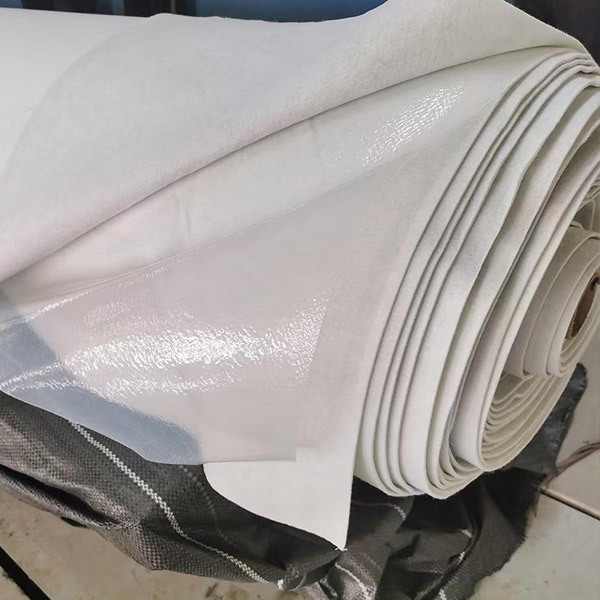
In today's construction landscape, the need for sustainable practices has never been more pressing. As environmental concerns continue to grow, the industry is increasingly turning to innovative materials that promise to reduce ecological footprints. Among these advancements, **EPI (Ethylene Propylene Impact) geomembranes** have emerged as a pivotal solution. This article provides a thorough examination of the environmental impact of EPI geomembranes, exploring their production, applications, benefits, and role in promoting sustainability within the construction sector.
Table of Contents
1. Introduction to Geomembranes
2. Understanding EPI Geomembranes
3. The Manufacturing Process of EPI Geomembranes
4. Applications in the Construction Industry
5. Environmental Benefits of EPI Geomembranes
5.1 Reducing Water Contamination
5.2 Enhancing Soil Stabilization
5.3 Minimizing Waste Generation
6. Longevity and Durability in Environmental Context
7. Challenges and Considerations
8. The Future of EPI Geomembranes in Sustainable Construction
9. FAQs
10. Conclusion
1. Introduction to Geomembranes
Geomembranes are impermeable membranes used to control the movement of fluids within a construction site. They play a crucial role in various applications, including environmental protection, waste management, and civil engineering. As the construction sector evolves, the demand for high-performance geomembranes that can withstand environmental stresses has increased.
2. Understanding EPI Geomembranes
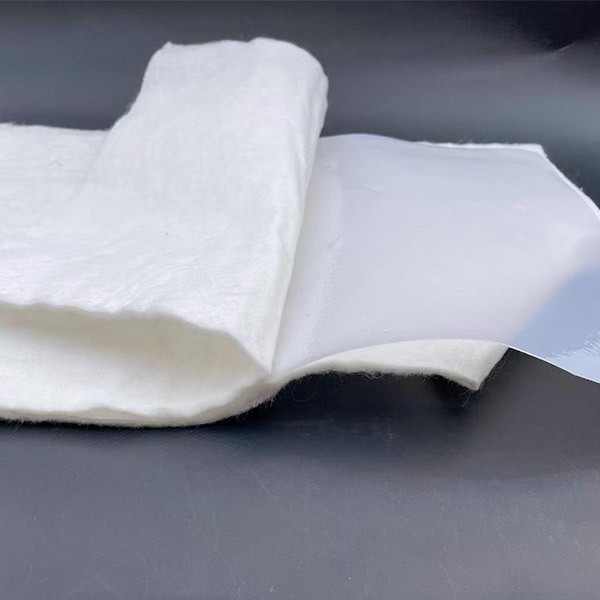
EPI geomembranes are composed of ethylene and propylene polymers, which provide excellent flexibility, chemical resistance, and environmental durability. These materials are specifically designed to meet the rigorous demands of construction projects while minimizing their ecological footprint. One of the standout features of EPI geomembranes is their adaptability to a range of temperatures and environmental conditions, making them suitable for various applications.
3. The Manufacturing Process of EPI Geomembranes
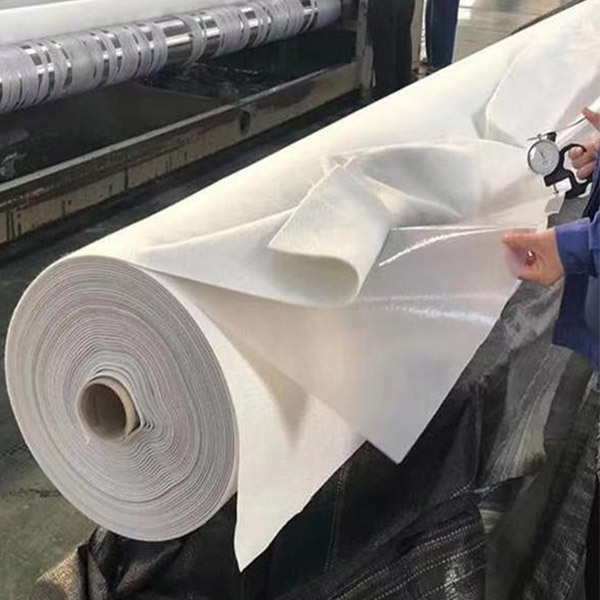
The production of EPI geomembranes involves several critical steps that ensure their quality and performance. The process typically includes the following:
- **Raw Material Selection**: High-quality polymers are selected for their chemical and physical properties.
- **Blending and Compounding**: The polymers are blended with additives to enhance their performance characteristics, such as UV resistance, tensile strength, and flexibility.
- **Extrusion and Calendering**: The material is shaped into sheets through extrusion or calendering processes, ensuring uniform thickness and consistency.
- **Quality Control**: Rigorous testing is performed to ensure that the geomembranes meet industry standards and specifications.
By prioritizing quality at each stage of production, EPI geomembranes can provide superior performance in various environmental conditions.
4. Applications in the Construction Industry
EPI geomembranes find extensive use across diverse construction applications, including:
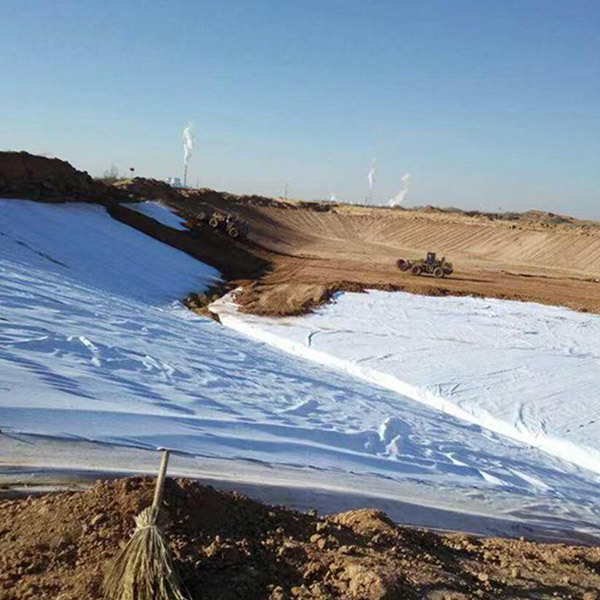
- **Landfills and Waste Management**: They help contain waste materials and prevent leachate from contaminating groundwater.
- **Water Reservoirs and Dams**: EPI geomembranes are used to line reservoirs and prevent water loss.
- **Mining Operations**: They are employed for tailings management, ensuring that toxic materials do not seep into the environment.
- **Agricultural Applications**: Used in irrigation systems, EPI geomembranes help conserve water and reduce evaporation.
These applications highlight the versatility of EPI geomembranes and their importance in safeguarding natural resources.
5. Environmental Benefits of EPI Geomembranes
As construction practices evolve, the environmental advantages of using EPI geomembranes become increasingly evident.
5.1 Reducing Water Contamination
EPI geomembranes act as barriers, preventing harmful substances from leaching into water sources. This capability is particularly beneficial in landfill and mining applications, where the risk of toxic runoff is high. By containing hazardous materials, EPI geomembranes protect groundwater and promote safe environmental practices.
5.2 Enhancing Soil Stabilization
In construction, soil stabilization is essential for maintaining structural integrity. EPI geomembranes provide support and enhance the stability of soil structures, reducing the likelihood of erosion and sediment runoff. This functionality is crucial for maintaining healthy ecosystems in and around construction sites.
5.3 Minimizing Waste Generation
The durability of EPI geomembranes translates to a longer lifespan, which reduces the need for frequent replacements. This longevity minimizes waste generation during construction and contributes to overall environmental sustainability. Furthermore, many EPI geomembranes are recyclable, further enhancing their environmentally friendly profile.
6. Longevity and Durability in Environmental Context
EPI geomembranes are known for their impressive durability, which is a vital factor in their environmental impact. Their resistance to UV radiation, punctures, and chemical exposure extends their lifespan, making them a cost-effective solution for construction projects. The longevity of these materials reduces the frequency of replacements, thereby decreasing resource consumption and waste.
7. Challenges and Considerations
While the benefits of EPI geomembranes are substantial, there are challenges to consider. For instance, improper installation or inadequate maintenance can lead to failures, negating their environmental advantages. Additionally, the initial cost of EPI geomembranes may be higher than traditional materials, although their long-term savings often justify the investment.
8. The Future of EPI Geomembranes in Sustainable Construction
The future of EPI geomembranes appears promising as the construction industry shifts toward sustainability. Ongoing research and development are expected to yield even more efficient and eco-friendly geomembranes. Innovations may include enhanced recycling processes, improved performance characteristics, and lower production emissions. As regulations surrounding environmental protection tighten, the adoption of EPI geomembranes will likely increase, solidifying their role in sustainable construction practices.
9. FAQs
What are the primary uses of EPI geomembranes in construction?
EPI geomembranes are commonly used in landfills, water reservoirs, mining operations, and agricultural applications to prevent contamination and promote stability.
How do EPI geomembranes contribute to environmental protection?
These geomembranes minimize water contamination, enhance soil stabilization, and reduce waste generation, thereby promoting eco-friendly practices.
Are EPI geomembranes recyclable?
Yes, many EPI geomembranes can be recycled, contributing to their sustainability profile.
What factors influence the performance of EPI geomembranes?
Their performance is influenced by factors such as installation quality, environmental conditions, and maintenance practices.
What is the lifespan of EPI geomembranes?
EPI geomembranes are designed to last for several decades, making them a durable choice for various applications.
10. Conclusion
The environmental impact of EPI geomembranes in construction is profound, offering numerous benefits that align with sustainable practices. From reducing water contamination to minimizing waste generation, these materials play a crucial role in promoting ecological balance within the construction industry. As we move toward a more environmentally conscious future, EPI geomembranes stand out as a viable solution that not only meets the demands of modern construction but also prioritizes the health of our planet. Embracing such sustainable materials will pave the way for a greener, more responsible construction industry.
Xinying·Strength for the Earth
Home
About Us
Contact Us
Email:xinyingcailiao@gmail.com
WhatsApp:+86 19953899723
Tel:+86 19953899723
Copyright ©