
Basecore Geocell: The Key to Sustainable Construction Practices
Time:
Mar 03,2025
Basecore Geocell: The Key to Sustainable Construction Practices Table of Contents 1. Introduction to Basecore Geocell 2. What Is Geocell? 3. Benefits of Basecore Geocell in Construction 3.1 Enhancing Soil Stability 3.2 Reducing Material Usage 3.3 Minimizing Environmental Impact 4. Applications of Basecore Geocell in Various Sec
Basecore Geocell: The Key to Sustainable Construction Practices
Table of Contents
- 1. Introduction to Basecore Geocell
- 2. What Is Geocell?
- 3. Benefits of Basecore Geocell in Construction
- 4. Applications of Basecore Geocell in Various Sectors
- 5. Installation Process of Basecore Geocell
- 6. Case Studies: Successful Implementation of Basecore Geocell
- 7. The Future of Basecore Geocell in Sustainable Construction
- 8. Frequently Asked Questions
- 9. Conclusion
1. Introduction to Basecore Geocell
Basecore Geocell is a revolutionary construction material designed to enhance sustainability in various civil engineering projects. In today’s world, where environmental concerns are paramount, adopting sustainable practices in construction is no longer optional; it’s essential. The utilization of Basecore Geocell can significantly contribute to this objective by improving soil stability, reducing material requirements, and minimizing the ecological footprint of construction activities.
2. What Is Geocell?
Geocell is an advanced geosynthetic product made from high-density polyethylene (HDPE) that consists of a series of interconnected cells. These cells can expand and contract to accommodate various soil conditions and are designed to improve the load-bearing capacity of the ground. When filled with soil, gravel, or other materials, geocells create a durable and stable base suitable for different applications, making them a perfect solution for sustainable construction practices.
3. Benefits of Basecore Geocell in Construction
3.1 Enhancing Soil Stability
One of the primary benefits of Basecore Geocell is its ability to enhance soil stability. By confining soil within the cells, the geocell structure prevents lateral movement, which can lead to erosion and instability. This characteristic is particularly essential for projects involving road construction, retaining walls, and slope stabilization. With improved stability, construction projects can proceed without fear of ground subsidence or failure.
3.2 Reducing Material Usage
Basecore Geocell allows builders to use less material without compromising structural integrity. By reinforcing the soil, it reduces the amount of aggregate or fill required for construction. This reduction not only lowers project costs but also minimizes the transportation and extraction of natural resources, contributing to a greener construction process. The ability to construct stable foundations with less material makes Basecore Geocell an economically and environmentally friendly option.
3.3 Minimizing Environmental Impact
The environmental benefits of using Basecore Geocell extend beyond material savings. The product is fully recyclable, reducing waste in landfills. Additionally, by stabilizing soil and minimizing erosion, geocells help maintain natural landscapes and protect local ecosystems. Choosing Basecore Geocell aligns construction practices with environmental responsibility, fostering sustainability in the industry.
4. Applications of Basecore Geocell in Various Sectors
Basecore Geocell’s versatility allows it to be used in various construction applications across multiple sectors.
4.1 Infrastructure Development
In infrastructure projects such as highways, railways, and airports, Basecore Geocell provides a reliable solution for ground stabilization. Its ability to bear heavy loads makes it ideal for constructing road bases and subgrades, ensuring durability and longevity.
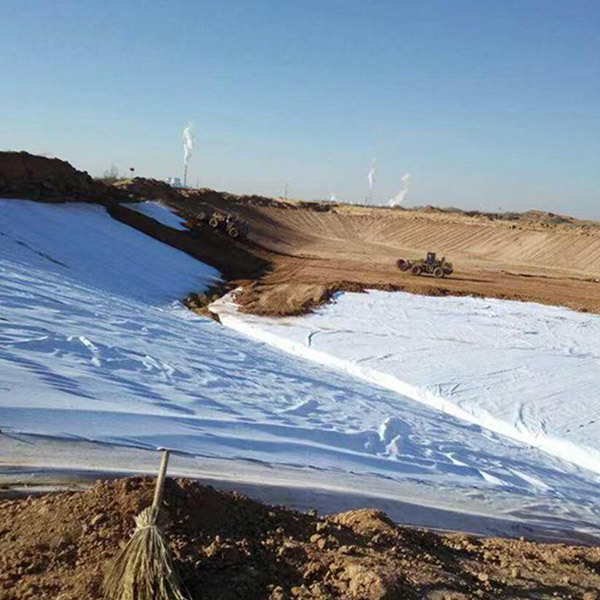
4.2 Landfill Construction
Basecore Geocell plays a crucial role in landfill construction by enhancing stability and reducing settlement. The geocell structure supports the weight of the landfill material, preventing collapse and ensuring safe operations.
4.3 Agricultural Applications
In agriculture, Basecore Geocell can improve drainage and soil structure, facilitating better water management and crop growth. By utilizing geocells in fields, farmers can enhance soil aeration and minimize erosion, promoting sustainable agricultural practices.
5. Installation Process of Basecore Geocell
The installation process of Basecore Geocell is straightforward yet requires careful planning and execution.
5.1 Site Preparation
Before installation, the site must be prepared by clearing vegetation and debris. Proper grading ensures an even surface for the geocell to be laid, enhancing its effectiveness.
5.2 Laying the Geocell
Once the site is prepared, the geocell panels are unfolded and laid out according to the project design. Proper alignment is crucial for achieving optimal soil confinement and stability.
5.3 Filling the Cells
After the geocell is laid, the cells are filled with appropriate materials, such as soil or gravel. The filling process should be done evenly to maintain the integrity of the geocell structure.
6. Case Studies: Successful Implementation of Basecore Geocell
Several real-world projects have successfully utilized Basecore Geocell, demonstrating its effectiveness in enhancing sustainability.
1. **Highway Construction**: A recent highway project in a flood-prone area used Basecore Geocell to stabilize the roadbed. The results showed a significant reduction in erosion and maintenance costs over time.
2. **Landfill Expansion**: A municipal landfill faced capacity issues and opted for Basecore Geocell to expand its operations. The geocell provided the necessary support, allowing for safe and efficient landfill management.
3. **Agricultural Fields**: A large agricultural producer implemented Basecore Geocell to improve soil conditions in their fields. The results indicated improved crop yield and reduced soil erosion.
7. The Future of Basecore Geocell in Sustainable Construction
The future of Basecore Geocell appears promising as the demand for sustainable construction practices continues to grow. With ongoing advancements in geosynthetic technology, we can expect improvements in the performance and versatility of geocell products. As more industries recognize the benefits of using environmentally friendly materials, the adoption of Basecore Geocell in construction will likely increase, paving the way for a more sustainable future.
8. Frequently Asked Questions
1. What materials can be used to fill Basecore Geocell?
Basecore Geocell can be filled with various materials, including soil, gravel, sand, and even concrete. The choice of filler depends on the specific application and load requirements.
2. How does Basecore Geocell compare to traditional methods?
Basecore Geocell offers several advantages over traditional methods, including reduced material usage, faster installation times, and enhanced soil stabilization, making it a cost-effective and sustainable alternative.
3. Is Basecore Geocell environmentally friendly?
Yes, Basecore Geocell is made from recyclable materials, reduces waste in landfills, and minimizes environmental impact by preventing soil erosion and protecting natural landscapes.
4. Can Basecore Geocell be used in residential construction?
Absolutely! Basecore Geocell is versatile and can be used in residential projects, especially for foundation stabilization, landscape applications, and driveways.
5. What is the lifespan of Basecore Geocell?
The lifespan of Basecore Geocell can vary based on environmental conditions and usage, but it is designed to withstand harsh conditions and can last for decades with proper installation and maintenance.
9. Conclusion
Basecore Geocell presents an innovative solution for sustainable construction practices. With its ability to enhance soil stability, reduce material usage, and minimize environmental impact, it stands out as a vital component in modern construction projects. As we continue to prioritize sustainability in the building industry, adopting products like Basecore Geocell will play a crucial role in shaping the future of construction practices. By recognizing its benefits and applications, we can pave the way for more environmentally responsible construction methods and contribute to a more sustainable world.
Xinying·Strength for the Earth
Home
About Us
Contact Us
Email:xinyingcailiao@gmail.com
WhatsApp:+86 19953899723
Tel:+86 19953899723
Copyright ©