
EPI Geomembrane: A Comprehensive Guide for Construction Professionals
Time:
Feb 07,2025
EPI Geomembrane: A Comprehensive Guide for Construction Professionals Table of Contents 1. Introduction to EPI Geomembrane 2. What is EPI Geomembrane? 3. Benefits of Using EPI Geomembrane in Construction 4. Key Applications of EPI Geomembrane 5. Installation Techniques for EPI Geomembrane 6. Maintenance and Repair Practices 7. Environmental Impact and Sustainability
EPI Geomembrane: A Comprehensive Guide for Construction Professionals
Table of Contents
- 1. Introduction to EPI Geomembrane
- 2. What is EPI Geomembrane?
- 3. Benefits of Using EPI Geomembrane in Construction
- 4. Key Applications of EPI Geomembrane
- 5. Installation Techniques for EPI Geomembrane
- 6. Maintenance and Repair Practices
- 7. Environmental Impact and Sustainability
- 8. Cost Analysis and ROI of EPI Geomembrane
- 9. Frequently Asked Questions (FAQs)
- 10. Conclusion
1. Introduction to EPI Geomembrane
EPI Geomembrane has emerged as a pivotal material in the construction industry, particularly for projects involving containment and environmental protection. With increasing concerns over land and water contamination, it is essential for construction professionals to be well-versed in the advantages and applications of geomembranes. This guide provides a deep dive into EPI Geomembrane, elucidating its properties, benefits, and the best practices for installation and maintenance.
2. What is EPI Geomembrane?
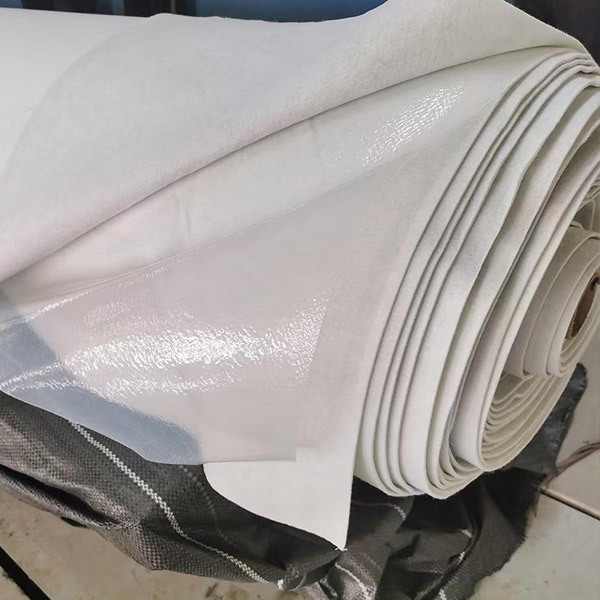
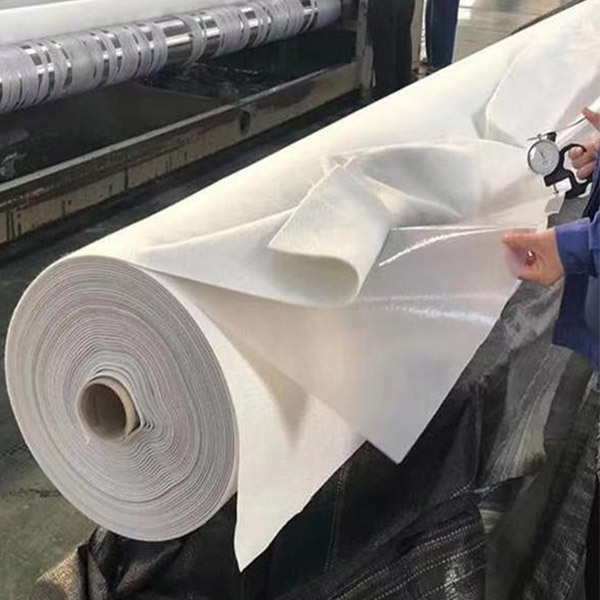
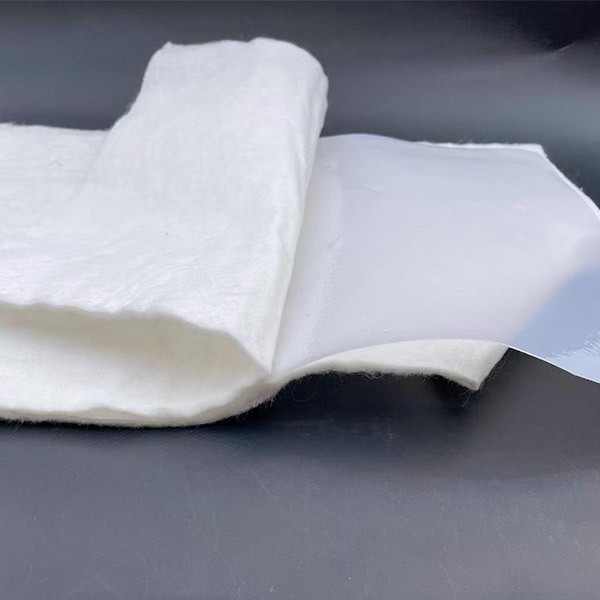
EPI Geomembrane is a high-density polyethylene (HDPE) liner designed for applications requiring impermeable barriers. Its primary purpose is to prevent leaks and seepage in various construction environments. Made from durable materials, EPI Geomembrane is known for its excellent chemical resistance, UV stability, and flexibility, making it suitable for a wide range of applications including landfills, ponds, and reservoirs.
Key Features of EPI Geomembrane
- **Durability**: EPI geomembranes are designed to withstand harsh environmental conditions.
- **Chemical Resistance**: They are resistant to a variety of chemicals, making them ideal for use in landfill and chemical containment applications.
- **Flexibility**: The flexibility of EPI geomembranes allows for easy installation and adaptability to various site conditions.
- **UV Resistance**: These geomembranes offer protection against UV radiation, prolonging their lifespan.
3. Benefits of Using EPI Geomembrane in Construction
The benefits of EPI Geomembrane extend beyond just containment. Here are some compelling advantages that make it a preferred choice among construction professionals:
Enhanced Protection Against Contaminants
EPI Geomembrane serves as a robust barrier against contaminants, safeguarding soil and groundwater. Its impermeability ensures that harmful substances do not seep into the environment, which is particularly vital in projects involving hazardous waste.
Cost-Effective Solution
While the initial investment in EPI Geomembrane may be higher than some alternatives, its durability and low maintenance requirements contribute to overall cost savings. The longevity of geomembranes means fewer replacements and repairs over time.
Ease of Installation
EPI Geomembrane can be installed efficiently, which reduces labor costs and project timelines. Its lightweight nature allows for easier handling and placement, making it a practical choice for construction teams.
4. Key Applications of EPI Geomembrane
EPI Geomembrane has a wide array of applications across various sectors. Understanding these applications is crucial for construction professionals looking to leverage geomembranes effectively.
Landfill Liners
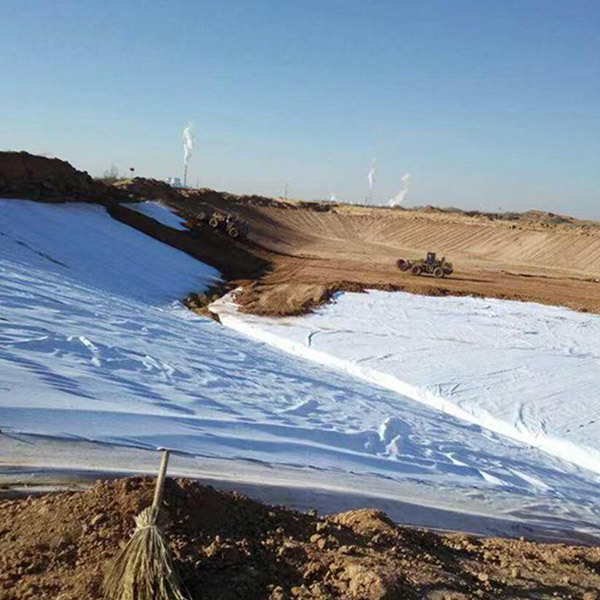
One of the primary applications of EPI Geomembrane is in landfill construction, where it acts as a barrier to prevent leachate from contaminating the surrounding environment.
Pond Liners
In water management, EPI Geomembrane is often used as a liner for ponds and reservoirs, ensuring that water remains contained and free from contamination.
Mining Applications
In the mining industry, EPI Geomembrane is utilized for tailings storage facilities, providing environmental protection against toxic leachates.
Water Containment
EPI Geomembrane can also be employed in agricultural applications to line irrigation canals, protecting water resources and minimizing evaporation.
5. Installation Techniques for EPI Geomembrane
Proper installation of EPI Geomembrane is crucial to ensure its effectiveness. Here are the recommended techniques to follow:
Site Preparation
Before installation, the site must be thoroughly prepared. This includes grading the area, removing sharp objects, and ensuring a smooth surface to minimize the risk of punctures.
Seaming Methods
EPI Geomembrane can be seamed together using various methods, including hot air welding, extrusion welding, and adhesive bonding. Each method has its own advantages and should be selected based on site conditions.
Quality Control
During installation, quality control measures must be in place. Regular inspections of seams and material integrity help to identify potential issues before they become significant problems.
6. Maintenance and Repair Practices
Maintaining EPI Geomembrane is vital for its long-term performance. Here are some best practices:
Regular Inspections
Conducting routine inspections helps to identify any signs of wear, damage, or deterioration. Early detection of issues can prevent costly repairs down the line.
Repair Techniques
If damage occurs, it is essential to repair EPI Geomembrane promptly. Common repair methods include patching with compatible geomembrane material and using specialized adhesives.
Environmental Monitoring
Continuous monitoring of the environment surrounding the geomembrane installation ensures that any potential leaks or breaches are addressed immediately.
7. Environmental Impact and Sustainability
EPI Geomembrane plays a significant role in promoting environmental sustainability. By preventing contamination and protecting water resources, it contributes positively to environmental health.
Reducing Contamination Risks
The impermeable nature of EPI Geomembrane significantly reduces the risk of soil and groundwater contamination, helping to protect ecosystems and public health.
Longevity and Resource Efficiency
The durability of EPI Geomembrane translates to less frequent replacements, conserving resources and reducing waste. Choosing geomembranes for construction projects aligns with sustainable practices.
8. Cost Analysis and ROI of EPI Geomembrane
When evaluating the cost of EPI Geomembrane, it’s essential to consider both the initial investment and potential long-term savings.
Initial Investment vs. Long-Term Savings
While the upfront cost may seem high, the reduced maintenance and extended lifespan of EPI Geomembrane often lead to significant savings over time.
Calculating ROI
Calculating the return on investment (ROI) for EPI Geomembrane involves analyzing the reduced costs associated with maintenance, repairs, and potential environmental fines due to contamination.
9. Frequently Asked Questions (FAQs)
What is the lifespan of EPI Geomembrane?
EPI Geomembrane can last for decades when installed and maintained correctly, often exceeding 30 years in suitable conditions.
Can EPI Geomembrane be recycled?
EPI Geomembrane is made from recyclable materials, and recycling programs may be available depending on local regulations.
What are the temperature limits for EPI Geomembrane use?
EPI Geomembranes are suitable for a wide range of temperatures; however, extreme conditions can affect their performance. Generally, they perform well in temperatures ranging from -40°F to 180°F.
Is professional installation necessary for EPI Geomembrane?
While it is possible to install EPI Geomembrane without professional help, hiring experienced installers can ensure better quality and longevity of the geomembrane.
How do I choose the right type of geomembrane for my project?
Choosing the right geomembrane involves considering factors such as site conditions, intended use, and regulatory requirements. Consulting with a geomembrane specialist can provide valuable guidance.
10. Conclusion
In summary, EPI Geomembrane represents a critical advancement in construction materials, providing effective solutions for contamination prevention and environmental protection. By understanding its benefits, applications, and best practices for installation and maintenance, construction professionals can make informed decisions that enhance project success and sustainability. As the construction industry continues to evolve, the adoption of materials like EPI Geomembrane will be essential in addressing environmental challenges and ensuring the integrity of our infrastructure.
Xinying·Strength for the Earth
Home
About Us
Contact Us
Email:xinyingcailiao@gmail.com
WhatsApp:+86 19953899723
Tel:+86 19953899723
Copyright ©