
Understanding Terpal HDPE Geomembrane: A Key Component in Construction and Landscaping
Time:
Jan 17,2025
The Terpal HDPE geomembrane is a highly durable and versatile synthetic membrane widely utilized in the construction and landscaping sectors. Made from high-density polyethylene (HDPE), this material is engineered to provide excellent impermeability and resistance to environmental factors, making it an ideal choice for a variety of applications. One of the primary functions of HDPE geomembranes i
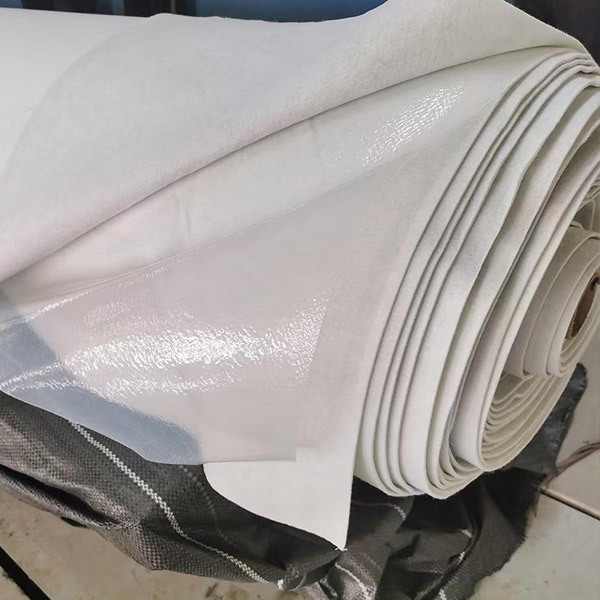
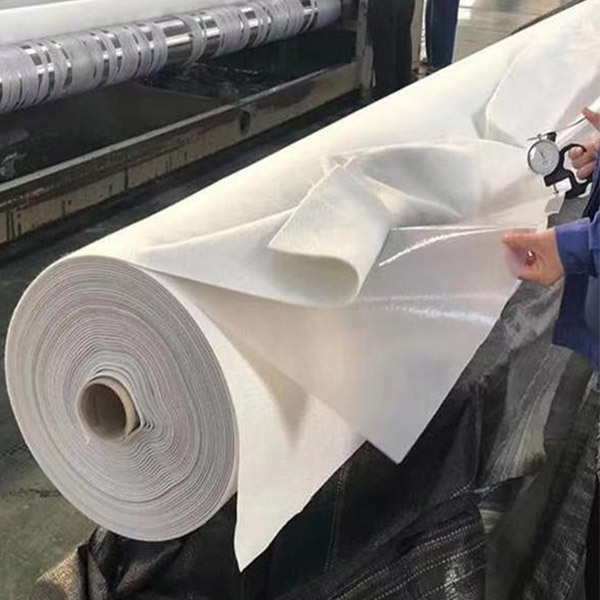
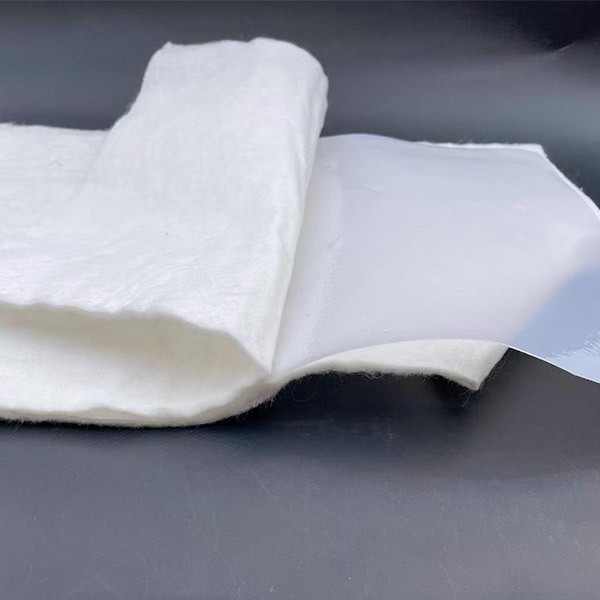
The Terpal HDPE geomembrane is a highly durable and versatile synthetic membrane widely utilized in the construction and landscaping sectors. Made from high-density polyethylene (HDPE), this material is engineered to provide excellent impermeability and resistance to environmental factors, making it an ideal choice for a variety of applications.
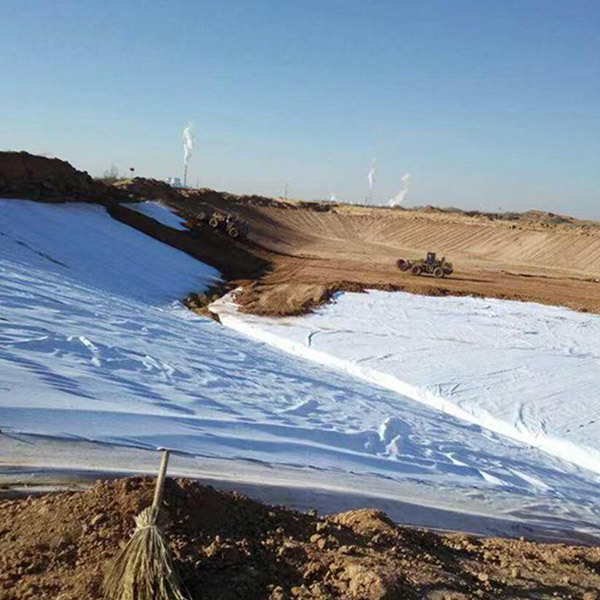
One of the primary functions of HDPE geomembranes is to act as a barrier against water and contaminants. This makes them particularly valuable in projects requiring precise environmental controls, such as landfills, wastewater treatment facilities, and mining operations. By effectively preventing the migration of liquids, Terpal HDPE geomembranes help protect the surrounding environment from harmful pollutants, ensuring compliance with environmental regulations.
Another significant advantage of Terpal HDPE geomembranes is their exceptional tensile strength and elongation properties. This durability allows them to withstand harsh conditions, including extreme temperatures, UV exposure, and punctures. As a result, these membranes are commonly used in applications such as pond liners, irrigation systems, and soil stabilization projects, where long-term performance is crucial.
Additionally, the lightweight nature of HDPE geomembranes simplifies transportation and installation, reducing labor costs and time on site. Their ease of handling allows for quick deployment, further enhancing their appeal for construction teams looking for efficient solutions to complex challenges.
The versatility of Terpal HDPE geomembranes extends beyond just containment. They can also be incorporated into various landscaping designs, serving as effective drainage solutions and erosion control measures. By managing water runoff and promoting soil stability, these geomembranes contribute to sustainable construction practices and help maintain the integrity of the landscape.
In conclusion, the Terpal HDPE geomembrane is an indispensable material in the construction and landscaping industries. Its robust properties, including impermeability, tensile strength, and adaptability, make it a preferred choice for various applications. By understanding the benefits and uses of this material, professionals can make informed decisions when selecting geotechnical solutions for their projects. Whether for environmental protection, drainage, or soil stabilization, the Terpal HDPE geomembrane proves to be a reliable and effective choice for enhancing project outcomes.
One of the primary functions of HDPE geomembranes is to act as a barrier against water and contaminants. This makes them particularly valuable in projects requiring precise environmental controls, such as landfills, wastewater treatment facilities, and mining operations. By effectively preventing the migration of liquids, Terpal HDPE geomembranes help protect the surrounding environment from harmful pollutants, ensuring compliance with environmental regulations.
Another significant advantage of Terpal HDPE geomembranes is their exceptional tensile strength and elongation properties. This durability allows them to withstand harsh conditions, including extreme temperatures, UV exposure, and punctures. As a result, these membranes are commonly used in applications such as pond liners, irrigation systems, and soil stabilization projects, where long-term performance is crucial.
Additionally, the lightweight nature of HDPE geomembranes simplifies transportation and installation, reducing labor costs and time on site. Their ease of handling allows for quick deployment, further enhancing their appeal for construction teams looking for efficient solutions to complex challenges.
The versatility of Terpal HDPE geomembranes extends beyond just containment. They can also be incorporated into various landscaping designs, serving as effective drainage solutions and erosion control measures. By managing water runoff and promoting soil stability, these geomembranes contribute to sustainable construction practices and help maintain the integrity of the landscape.
In conclusion, the Terpal HDPE geomembrane is an indispensable material in the construction and landscaping industries. Its robust properties, including impermeability, tensile strength, and adaptability, make it a preferred choice for various applications. By understanding the benefits and uses of this material, professionals can make informed decisions when selecting geotechnical solutions for their projects. Whether for environmental protection, drainage, or soil stabilization, the Terpal HDPE geomembrane proves to be a reliable and effective choice for enhancing project outcomes.
Xinying·Strength for the Earth
Home
About Us
Contact Us
Email:xinyingcailiao@gmail.com
WhatsApp:+86 19953899723
Tel:+86 19953899723
Copyright ©