
Understanding the Different Types of EPI Geomembranes: A Comprehensive Guide
Time:
Jan 08,2025
Understanding the Different Types of EPI Geomembranes: A Comprehensive Guide Table of Contents 1. Introduction to EPI Geomembranes 2. The Importance of Geomembranes in Construction 3. Overview of EPI Geomembranes 4. Types of EPI Geomembranes 4.1. HDPE (High-Density Polyethylene) Geomembranes 4.2. LLDPE (Linear Low-Density Polyethylene) Geomembranes 4.3. PVC (Polyvinyl Chloride) Geomembranes 4.4. P
Understanding the Different Types of EPI Geomembranes: A Comprehensive Guide
Table of Contents
1. Introduction to EPI Geomembranes
2. The Importance of Geomembranes in Construction
3. Overview of EPI Geomembranes
4. Types of EPI Geomembranes
4.1. HDPE (High-Density Polyethylene) Geomembranes
4.2. LLDPE (Linear Low-Density Polyethylene) Geomembranes
4.3. PVC (Polyvinyl Chloride) Geomembranes
4.4. PP (Polypropylene) Geomembranes
4.5. CSPE (Chlorosulfonated Polyethylene) Geomembranes
5. Applications of EPI Geomembranes
6. Benefits of Using EPI Geomembranes
7. Installation and Maintenance of EPI Geomembranes
8. Frequently Asked Questions (FAQs)
9. Conclusion
1. Introduction to EPI Geomembranes
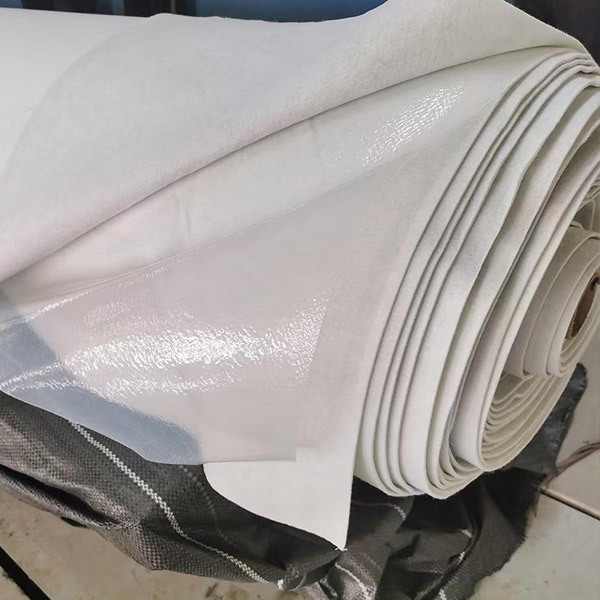
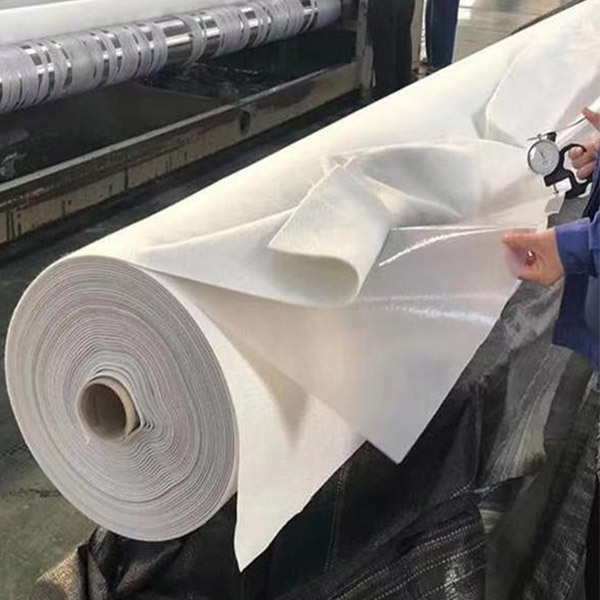
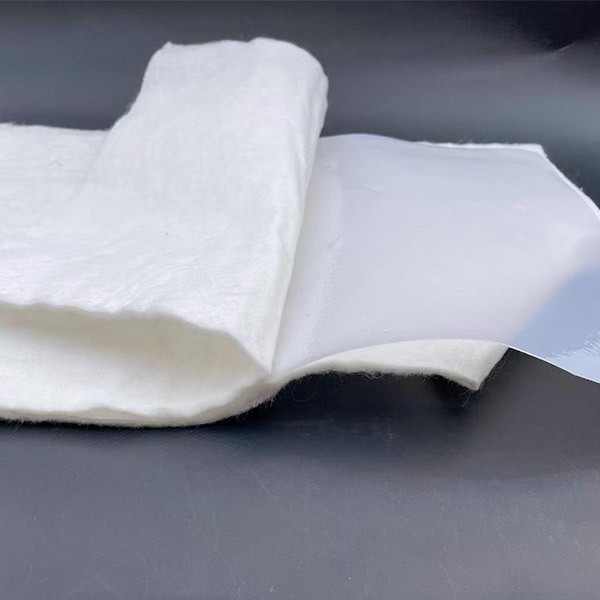
EPI geomembranes have become an essential component in construction and environmental engineering. These synthetic membranes are primarily designed to control fluid or gas migration in a variety of applications. Their versatility stems from their capability to provide reliable protection against contamination, making them an integral part of many projects.
2. The Importance of Geomembranes in Construction
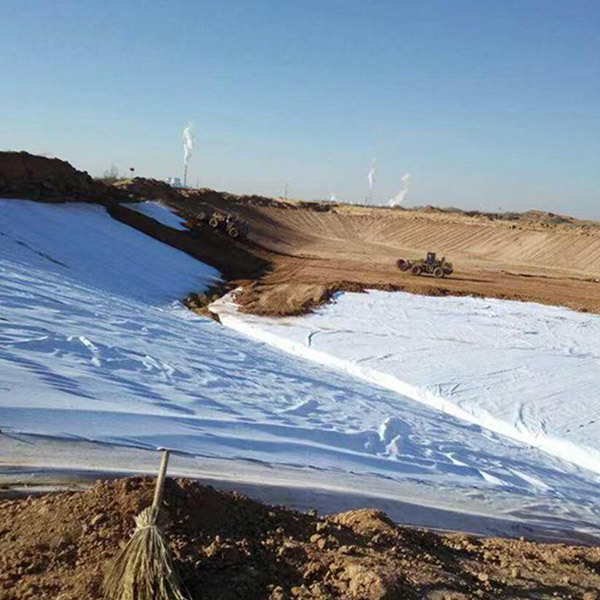
In the construction industry, geomembranes play a crucial role in ensuring the integrity of structures. They provide a barrier that prevents the escape of liquids, often in places such as landfills, ponds, and reservoirs. The use of geomembranes contributes to environmental protection by controlling leachate and preventing groundwater contamination. Consequently, understanding the types of geomembranes available is vital for selecting the right materials for specific applications.
3. Overview of EPI Geomembranes
EPI (Environmental Protection, Inc.) specializes in manufacturing high-quality geomembranes that are used in various civil engineering and environmental applications. The company’s products are known for their durability, flexibility, and resistance to chemicals and environmental stressors. EPI offers a range of geomembranes, each catering to different requirements and conditions.
4. Types of EPI Geomembranes
Understanding the various types of EPI geomembranes is crucial for making informed choices. Here, we will explore the main types available:
4.1. HDPE (High-Density Polyethylene) Geomembranes
HDPE geomembranes are among the most widely used types in the industry. Characterized by their high tensile strength and low permeability, these membranes are ideal for applications such as landfill liners and containment systems. They offer excellent resistance to UV radiation, making them suitable for both above-ground and below-ground installations.
4.2. LLDPE (Linear Low-Density Polyethylene) Geomembranes
LLDPE geomembranes are known for their flexibility and elongation properties. These membranes can withstand significant deformation without breaking, making them ideal for applications that involve changes in temperature or ground movement. LLDPE is often used in ponds and reservoirs due to its resistance to punctures and tears.
4.3. PVC (Polyvinyl Chloride) Geomembranes
PVC geomembranes are favored for their versatility and ease of installation. They are available in various thicknesses and can be heat-welded, creating seamless installations. PVC is especially useful in applications where chemical resistance is required, such as in waste containment and water treatment facilities.
4.4. PP (Polypropylene) Geomembranes
Polypropylene geomembranes boast excellent chemical resistance and are suitable for applications involving aggressive chemicals. They are less common than HDPE and LLDPE but are selected for specific applications where their unique properties can be advantageous, such as in chemical containment.
4.5. CSPE (Chlorosulfonated Polyethylene) Geomembranes
CSPE geomembranes are known for their superior resistance to environmental stressors, including UV rays and extreme temperatures. They are often used in applications where long-term durability is paramount, such as in landfill caps and environmental containment projects.
5. Applications of EPI Geomembranes
The applications of EPI geomembranes are wide-ranging and include:
- **Landfill Liners**: To prevent leachate from contaminating groundwater.
- **Pond Liners**: To retain water in agricultural and recreational ponds.
- **Containment Systems**: For storing hazardous materials safely.
- **Water Management**: In reservoirs and stormwater management systems.
- **Mining Applications**: To manage tailings and reduce environmental impact.
Each application requires specific types of geomembranes, emphasizing the need for careful selection based on project requirements.
6. Benefits of Using EPI Geomembranes
Choosing EPI geomembranes comes with numerous benefits:
- **Durability**: High resistance to environmental factors ensures long-lasting performance.
- **Flexibility**: Adaptable to various site conditions and installations.
- **Cost-Effectiveness**: Reducing the need for repairs and replacements lowers overall project costs.
- **Environmental Protection**: Prevents contamination and promotes sustainable practices.
- **Ease of Installation**: Many EPI geomembranes can be quickly and effectively installed, reducing labor costs.
These benefits make EPI geomembranes a preferred choice for many construction and environmental projects.
7. Installation and Maintenance of EPI Geomembranes
Proper installation and maintenance of EPI geomembranes are crucial for maximizing their effectiveness. Here are some key points to consider:
- **Site Preparation**: Ensure the site is clean and free from sharp objects that could puncture the geomembrane.
- **Seaming Techniques**: Use appropriate seaming techniques, such as welding, to create a seamless barrier.
- **Regular Inspections**: Conduct routine inspections to identify any signs of wear, tear, or punctures.
- **Repairs**: Address any damage quickly to maintain integrity and prevent leaks.
By following these guidelines, the longevity and effectiveness of EPI geomembranes can be ensured.
8. Frequently Asked Questions (FAQs)
Q1: What is the lifespan of EPI geomembranes?
A1: The lifespan can vary based on the type and application but generally ranges from 20 to 50 years with proper installation and maintenance.
Q2: Are EPI geomembranes environmentally friendly?
A2: Yes, when installed correctly, they can significantly reduce environmental impact by preventing contamination.
Q3: Can EPI geomembranes be recycled?
A3: Some EPI geomembranes can be recycled, although it depends on the material type. Check with the manufacturer for specific guidance.
Q4: How do I determine the right type of geomembrane for my project?
A4: Assess the project requirements, including the type of contaminants, environmental conditions, and structural needs, to select the appropriate geomembrane.
Q5: What are the common challenges during geomembrane installation?
A5: Common challenges include site preparation, ensuring proper seam integrity, and addressing weather conditions that may affect installation.
9. Conclusion
EPI geomembranes are vital components in modern construction and environmental protection. Understanding the various types available, along with their applications and benefits, equips professionals with the knowledge to make informed decisions. By selecting the appropriate geomembrane and following best practices for installation and maintenance, projects can ensure long-term durability and environmental compliance. Whether it’s for landfill liners, pond management, or containment systems, EPI geomembranes stand out as reliable solutions in the field of construction and environmental engineering.
Xinying·Strength for the Earth
Home
About Us
Contact Us
Email:xinyingcailiao@gmail.com
WhatsApp:+86 19953899723
Tel:+86 19953899723
Copyright ©