
Essential Guide to Geotextile Fabric for Horse Arenas
Time:
Dec 08,2024
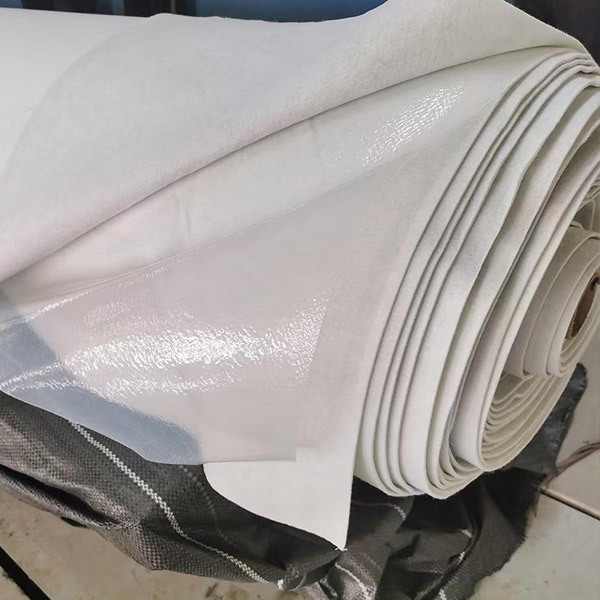
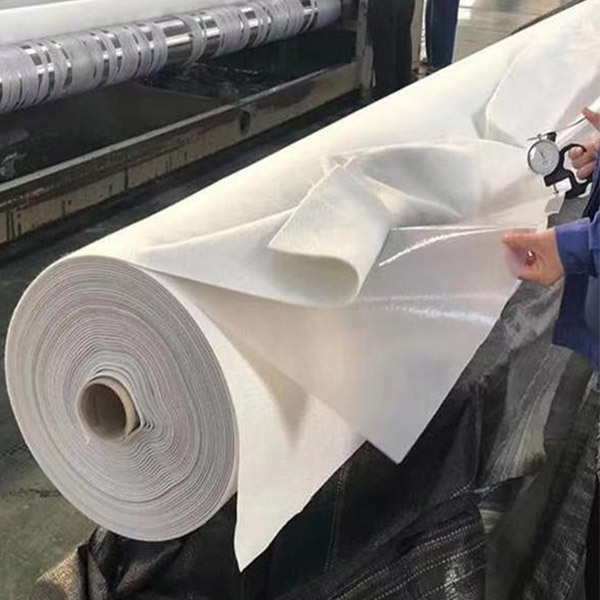
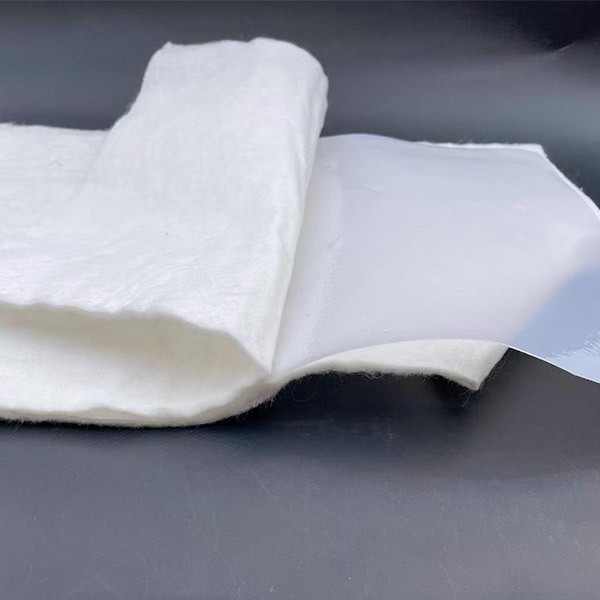
Geotextile fabric is an essential component in the construction and maintenance of horse arenas, offering multiple benefits that enhance both performance and durability. By understanding the roles this specialized material plays, professionals in the construction and landscaping sectors can make informed choices that lead to better equestrian facilities. One of the primary functions of geotextile
Geotextile fabric is an essential component in the construction and maintenance of horse arenas, offering multiple benefits that enhance both performance and durability. By understanding the roles this specialized material plays, professionals in the construction and landscaping sectors can make informed choices that lead to better equestrian facilities.
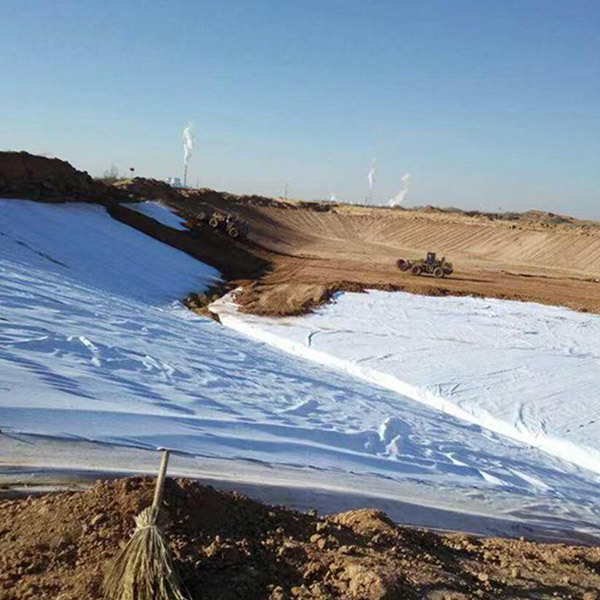
One of the primary functions of geotextile fabric is soil stabilization. When used beneath the surface of a horse arena, it helps prevent the mixing of different soil layers, which can lead to uneven surfaces and drainage problems. This stabilization is crucial for maintaining a consistent footing, which is vital for the safety and performance of both horses and riders.
Moreover, geotextile fabric acts as a filtration layer. It allows water to drain through while preventing the migration of soil particles, which can lead to erosion or the formation of muddy patches. Proper drainage is essential in horse arenas, as it contributes to a safe and usable surface regardless of weather conditions. With effective drainage, arenas can remain usable after heavy rainfall, reducing downtime and maintenance costs.
Durability is another significant advantage of using geotextile fabric in horse arenas. This material is designed to withstand the heavy loads and constant wear associated with equestrian activities. Unlike traditional ground coverings, geotextiles resist tearing and degradation, leading to longer-lasting performance and reduced need for replacements.
In terms of installation, professionals should consider using a geotextile fabric that is appropriate for the specific conditions of the site. Factors such as soil type, climate, and intended use of the arena will determine the ideal fabric choice. It’s important to install the fabric correctly, ensuring it is laid flat without wrinkles, and properly secured at the edges to maintain its effectiveness.
Additionally, ongoing maintenance is key to ensuring the longevity of both the geotextile fabric and the overall arena. Periodic checks for wear and tear, as well as routine maintenance to clear any debris or sediment accumulation, will help maintain optimal performance.
In conclusion, the use of geotextile fabric in horse arenas provides numerous benefits, including soil stabilization, efficient drainage, and enhanced durability. By understanding its importance and implementing it properly, professionals in the construction and landscaping fields can significantly improve the performance and longevity of equestrian facilities, ensuring a safe and enjoyable environment for both horses and riders. Investing in high-quality geotextile solutions is a proactive step towards achieving a top-notch horse arena.
One of the primary functions of geotextile fabric is soil stabilization. When used beneath the surface of a horse arena, it helps prevent the mixing of different soil layers, which can lead to uneven surfaces and drainage problems. This stabilization is crucial for maintaining a consistent footing, which is vital for the safety and performance of both horses and riders.
Moreover, geotextile fabric acts as a filtration layer. It allows water to drain through while preventing the migration of soil particles, which can lead to erosion or the formation of muddy patches. Proper drainage is essential in horse arenas, as it contributes to a safe and usable surface regardless of weather conditions. With effective drainage, arenas can remain usable after heavy rainfall, reducing downtime and maintenance costs.
Durability is another significant advantage of using geotextile fabric in horse arenas. This material is designed to withstand the heavy loads and constant wear associated with equestrian activities. Unlike traditional ground coverings, geotextiles resist tearing and degradation, leading to longer-lasting performance and reduced need for replacements.
In terms of installation, professionals should consider using a geotextile fabric that is appropriate for the specific conditions of the site. Factors such as soil type, climate, and intended use of the arena will determine the ideal fabric choice. It’s important to install the fabric correctly, ensuring it is laid flat without wrinkles, and properly secured at the edges to maintain its effectiveness.
Additionally, ongoing maintenance is key to ensuring the longevity of both the geotextile fabric and the overall arena. Periodic checks for wear and tear, as well as routine maintenance to clear any debris or sediment accumulation, will help maintain optimal performance.
In conclusion, the use of geotextile fabric in horse arenas provides numerous benefits, including soil stabilization, efficient drainage, and enhanced durability. By understanding its importance and implementing it properly, professionals in the construction and landscaping fields can significantly improve the performance and longevity of equestrian facilities, ensuring a safe and enjoyable environment for both horses and riders. Investing in high-quality geotextile solutions is a proactive step towards achieving a top-notch horse arena.
Xinying·Strength for the Earth
Home
About Us
Contact Us
Email:xinyingcailiao@gmail.com
WhatsApp:+86 19953899723
Tel:+86 19953899723
Copyright ©