
How to Select the Right EPI Geomembrane for Your Project
Time:
Dec 07,2024
How to Select the Right EPI Geomembrane for Your Project Table of Contents 1. Understanding Geomembranes and Their Importance in Construction 2. What is EPI Geomembrane? 3. Key Factors to Consider When Selecting EPI Geomembranes 3.1 Material Composition 3.2 Thickness and Weight 3.3 Chemical Resistance 3.4 UV Stability and Weather Resistance 3.5 Puncture and Tear Resistance 4. Different Types of EP
How to Select the Right EPI Geomembrane for Your Project
Table of Contents
1. Understanding Geomembranes and Their Importance in Construction
2. What is EPI Geomembrane?
3. Key Factors to Consider When Selecting EPI Geomembranes
3.1 Material Composition
3.2 Thickness and Weight
3.3 Chemical Resistance
3.4 UV Stability and Weather Resistance
3.5 Puncture and Tear Resistance
4. Different Types of EPI Geomembranes
4.1 High-Density Polyethylene (HDPE) Geomembranes
4.2 Polyvinyl Chloride (PVC) Geomembranes
4.3 Ethylene Propylene Diene Monomer (EPDM) Geomembranes
5. Installation Process and Best Practices
6. Common Applications of EPI Geomembranes
7. Frequently Asked Questions (FAQs)
8. Conclusion
1. Understanding Geomembranes and Their Importance in Construction
Geomembranes play a critical role in construction projects, acting as barriers against liquid and gas leakage. Their utility spans various applications, including landfill liners, water reservoirs, and containment solutions. By selecting the right geomembrane, project managers can ensure environmental protection, enhance durability, and minimize maintenance costs.
2. What is EPI Geomembrane?
EPI geomembranes are high-performance synthetic liners made from a variety of materials, specifically designed for use in civil engineering applications. The Environmental Protection Inc. (EPI) focuses on developing geomembranes that offer exceptional performance and longevity, making them ideal for a wide range of projects.
3. Key Factors to Consider When Selecting EPI Geomembranes
When choosing the right EPI geomembrane for your project, several critical factors should guide your decision-making process. Here, we break down the essential elements that can impact the effectiveness of your geomembrane.
3.1 Material Composition
The material composition of a geomembrane is paramount. EPI offers various materials, including HDPE, PVC, and EPDM, each with unique properties. Understanding the specific requirements of your project will help you determine which material is most suitable.
3.2 Thickness and Weight
The thickness and weight of the geomembrane will influence its performance and suitability. Thicker membranes generally offer greater durability and resistance to punctures and tears. However, they may also increase transportation and installation costs, making it crucial to find a balance.
3.3 Chemical Resistance
Different projects expose geomembranes to various chemicals and environmental conditions. Assessing the chemical resistance of the geomembrane material is vital. For instance, if your project involves exposure to harsh chemicals, opting for a geomembrane with strong chemical resistance is critical.
3.4 UV Stability and Weather Resistance
UV radiation and adverse weather conditions can degrade geomembranes over time. Selecting a geomembrane with excellent UV stability ensures long-term performance, especially in outdoor applications. Make sure to inquire about the UV resistance rating of the geomembrane you intend to use.
3.5 Puncture and Tear Resistance
The potential for punctures and tears during installation and throughout the lifespan of the geomembrane is a significant consideration. High puncture and tear resistance materials help prevent costly damages and replacements over time.
4. Different Types of EPI Geomembranes
EPI provides a variety of geomembranes, each suited for specific applications. Below, we outline some of the most commonly used types.
4.1 High-Density Polyethylene (HDPE) Geomembranes
HDPE geomembranes are known for their impressive strength and chemical resistance. They are widely used in landfill applications, mining, and environmental containment projects. Their low permeability ensures that liquids do not leak through, making them a popular choice.
4.2 Polyvinyl Chloride (PVC) Geomembranes
PVC geomembranes are flexible, easy to install, and offer excellent resistance to environmental stressors. These qualities make them ideal for applications like water retention and aquaculture. However, their chemical resistance may not match that of HDPE, so careful consideration is necessary based on project needs.
4.3 Ethylene Propylene Diene Monomer (EPDM) Geomembranes
EPDM geomembranes are highly flexible and resistant to extreme weather conditions, UV radiation, and ozone. They are often used in applications involving large-scale ponds and reservoirs, where their ability to withstand environmental stress is essential.
5. Installation Process and Best Practices
The installation of EPI geomembranes requires careful planning and execution to ensure optimal performance. Here are some best practices to follow:
1. **Site Preparation**: Ensure the site is free from debris and sharp objects that could puncture the geomembrane.
2. **Proper Handling**: Use appropriate equipment and techniques when transporting and unrolling the geomembrane to prevent damage.
3. **Seaming Techniques**: Employ reliable seaming methods, such as hot air welding or extrusion welding, to ensure strong, leak-proof joints.
4. **Quality Control**: Conduct regular inspections during installation to identify potential issues promptly.
6. Common Applications of EPI Geomembranes
EPI geomembranes find applications across a wide spectrum of industries. Some common applications include:
- **Landfills**: Lining for landfills to prevent leachate contamination.
- **Mining**: Containment of hazardous waste and tailings.
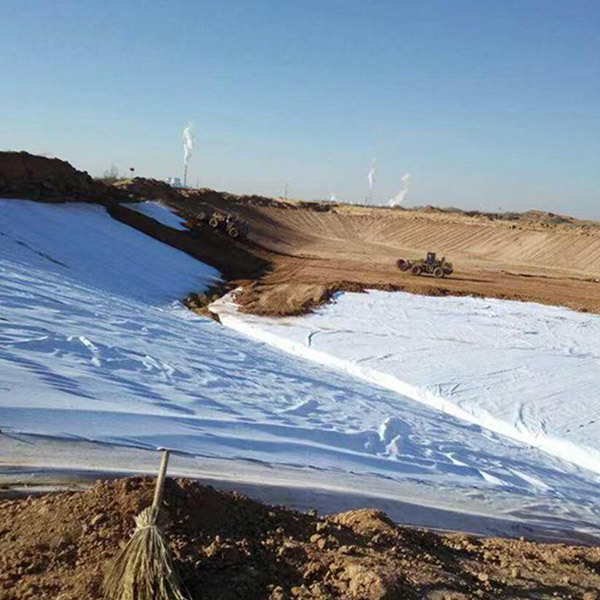
- **Water Reservoirs**: Lining for ponds and reservoirs to minimize water loss.
- **Aquaculture**: Creating controlled environments for fish farming.
7. Frequently Asked Questions (FAQs)
What factors influence the selection of a geomembrane?
The selection depends on material composition, thickness, chemical resistance, UV stability, and specific project requirements.
How long do EPI geomembranes last?
EPI geomembranes can last several decades, depending on environmental conditions and proper installation.
Can EPI geomembranes be repaired if damaged?
Yes, most EPI geomembranes can be repaired using patching materials and techniques specific to the geomembrane type.
What is the cost of EPI geomembrane installation?
Installation costs vary based on the geomembrane type, project scale, and location. It’s best to obtain a detailed quote from a qualified contractor.
Do EPI geomembranes require maintenance?
While geomembranes are designed for durability, periodic inspections and maintenance can help prolong their lifespan and performance.
8. Conclusion
Selecting the right EPI geomembrane for your project is a crucial step towards ensuring its success and sustainability. By carefully considering the various factors, including material composition, thickness, and resistance properties, you can make an informed decision tailored to your project's specific needs. Understanding the different types of EPI geomembranes and their applications further empowers you to choose a product that meets your objectives. With the right geomembrane and proper installation, you can significantly enhance the longevity and effectiveness of your construction project.
Xinying·Strength for the Earth
Home
About Us
Contact Us
Email:xinyingcailiao@gmail.com
WhatsApp:+86 19953899723
Tel:+86 19953899723
Copyright ©