
The Role of Dacron Geogrid in Enhancing Soil Stability: A Comprehensive Guide
Time:
Dec 01,2024
The Role of Dacron Geogrid in Enhancing Soil Stability Table of Contents 1. Introduction to Dacron Geogrids 2. Understanding Soil Stability 3. How Dacron Geogrids Work 3.1 Mechanisms of Reinforcement 3.2 Comparison with Other Geogrid Materials 4. Benefits of Using Dacron Geogrids 4.1 Improved Load Distribution 4.2 Enhanced Structural Integrity 4.3 Increased Longevity of Soil Structures 5. Applicat
The Role of Dacron Geogrid in Enhancing Soil Stability
Table of Contents
1. Introduction to Dacron Geogrids
2. Understanding Soil Stability
3. How Dacron Geogrids Work
3.1 Mechanisms of Reinforcement
3.2 Comparison with Other Geogrid Materials
4. Benefits of Using Dacron Geogrids
4.1 Improved Load Distribution
4.2 Enhanced Structural Integrity
4.3 Increased Longevity of Soil Structures
5. Applications of Dacron Geogrids in Construction
5.1 Erosion Control
5.2 Retaining Walls
5.3 Road and Pavement Stabilization
6. Installation Guidelines for Dacron Geogrids
7. Frequently Asked Questions
8. Conclusion
1. Introduction to Dacron Geogrids
Dacron geogrids are advanced synthetic materials designed to enhance the stability and durability of soil structures. Made from high-tenacity polyester, Dacron geogrids offer unique properties that make them ideal for various construction projects. Their woven design allows for excellent soil interaction, providing a reliable solution for reinforcing soil layers and preventing deformation.
2. Understanding Soil Stability
Soil stability is a critical factor in construction and civil engineering. It refers to the soil's ability to maintain its structure and support loads without excessive deformation or failure. Factors influencing soil stability include moisture content, soil type, and external loads. Inadequate soil stability can lead to issues like landslides, foundation settlement, and road failure, which can have severe consequences for infrastructure.
3. How Dacron Geogrids Work
Dacron geogrids enhance soil stability through effective load distribution and reinforcement. By creating a network within the soil, these geogrids help interlock the soil particles, increasing the overall strength and stability of the soil structure.
3.1 Mechanisms of Reinforcement
The primary mechanism through which Dacron geogrids reinforce soil is through lateral restraint. When loads are applied to the soil, the geogrid helps to distribute these loads over a larger area, reducing stress concentrations. As a result, the soil can better support heavy loads, minimizing the risk of failure.
3.2 Comparison with Other Geogrid Materials
While there are various types of geogrids available, Dacron geogrids stand out due to their strength, durability, and resistance to environmental factors. Unlike traditional polypropylene geogrids, which may degrade over time, Dacron's superior chemical resistance ensures a longer lifespan and consistent performance.
4. Benefits of Using Dacron Geogrids
Incorporating Dacron geogrids into construction projects provides several key benefits that enhance soil stability and overall project success.
4.1 Improved Load Distribution
One of the most significant advantages of Dacron geogrids is their ability to distribute loads evenly across the soil. This improved load distribution reduces the risk of localized failure and enhances the capacity of the soil to support heavy structures.
4.2 Enhanced Structural Integrity
Dacron geogrids contribute to the overall structural integrity of soil systems. Their unique design allows for better interlocking with soil particles, providing a cohesive system that can withstand considerable forces without compromising stability.
4.3 Increased Longevity of Soil Structures
By improving soil stability and reducing the likelihood of failure, Dacron geogrids contribute to the longevity of various soil structures. Projects utilizing Dacron geogrids often require less maintenance and experience fewer repairs over time, leading to cost savings and improved project outcomes.
5. Applications of Dacron Geogrids in Construction
Dacron geogrids find a variety of applications within the construction industry. Their versatility makes them suitable for numerous projects aimed at enhancing soil stability.
5.1 Erosion Control
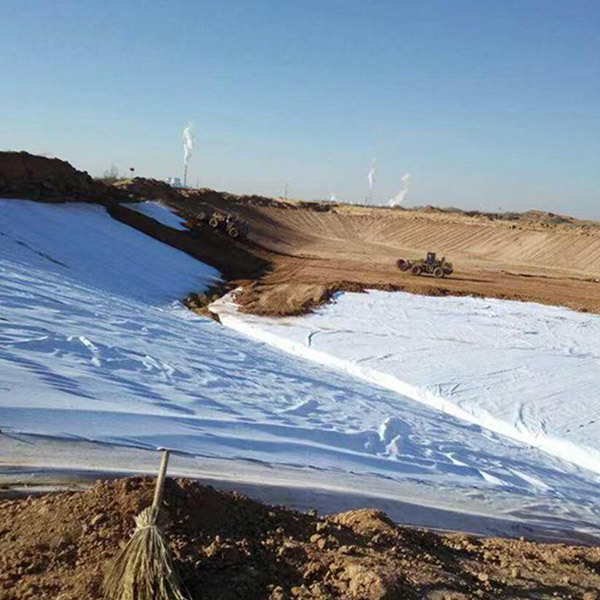
Erosion is a significant challenge in construction, particularly in areas with steep slopes or loose soil. Dacron geogrids can be used to stabilize slopes and prevent erosion by reinforcing the soil structure. Their durability ensures they can withstand harsh environmental conditions, making them an ideal choice for long-term erosion control solutions.
5.2 Retaining Walls
Dacron geogrids are often used in the construction of retaining walls to enhance structural stability. By embedding the geogrids within the soil behind the wall, engineers can significantly improve the wall's ability to withstand lateral earth pressures, reducing the risk of failure.
5.3 Road and Pavement Stabilization
In road construction, Dacron geogrids are used to stabilize subgrades and improve the overall performance of pavement systems. By reinforcing the soil beneath the pavement, these geogrids help mitigate issues such as rutting and cracking, prolonging the life of road surfaces and enhancing travel safety.
6. Installation Guidelines for Dacron Geogrids
Proper installation of Dacron geogrids is crucial to ensure optimal performance. The following guidelines should be followed to achieve the best results:
- **Site Preparation**: Prepare the site by removing debris and ensuring a level surface. This ensures proper contact between the geogrid and the soil.
- **Placement**: Lay the geogrid flat on the prepared surface, ensuring that it is free from folds or wrinkles. Overlap sections as needed to maintain continuous coverage.
- **Backfilling**: Once the geogrid is in place, backfill with soil and compact it to secure the geogrid in position. Ensure that the fill height is appropriate to achieve the desired load distribution.
- **Monitoring**: After installation, monitor the site for any signs of instability or erosion. Regular inspections will help identify potential issues early.
7. Frequently Asked Questions
What are the key advantages of using Dacron geogrids?
Dacron geogrids provide improved load distribution, enhanced structural integrity, and increased longevity of soil structures, making them an excellent choice for various construction applications.
How do Dacron geogrids compare to other materials?
Dacron geogrids offer superior strength and durability compared to traditional materials, such as polypropylene, making them more resistant to environmental degradation.
In what types of projects are Dacron geogrids commonly used?
Dacron geogrids are commonly used in erosion control, retaining wall construction, and road and pavement stabilization projects.
How should Dacron geogrids be installed for optimal performance?
Proper site preparation, placement, backfilling, and ongoing monitoring are essential steps to ensure the effective installation of Dacron geogrids.
Are Dacron geogrids environmentally friendly?
Yes, Dacron geogrids are designed to withstand harsh conditions and do not degrade easily, contributing to sustainable practices by reducing the need for frequent replacements.
8. Conclusion
Dacron geogrids play a pivotal role in enhancing soil stability across various construction applications. Their unique properties not only improve load distribution and structural integrity but also contribute to the longevity of soil structures. By understanding the benefits and applications of Dacron geogrids, engineers and construction professionals can make informed decisions that lead to safer, more durable infrastructure. Investing in Dacron geogrids is a step toward ensuring the success of construction projects, effectively addressing the challenges of soil stability for years to come.
Xinying·Strength for the Earth
Home
About Us
Contact Us
Email:xinyingcailiao@gmail.com
WhatsApp:+86 19953899723
Tel:+86 19953899723
Copyright ©