
Understanding Terpal HDPE Geomembrane: Key Insights for Construction Projects
Time:
Nov 30,2024
Terpal HDPE geomembrane is a high-density polyethylene material widely used in construction and landscaping applications. Known for its durability and versatility, this geomembrane serves as an effective barrier against water and contaminants, making it a popular choice in various projects, including landfill liners, pond liners, and irrigation systems. Understanding the properties and application
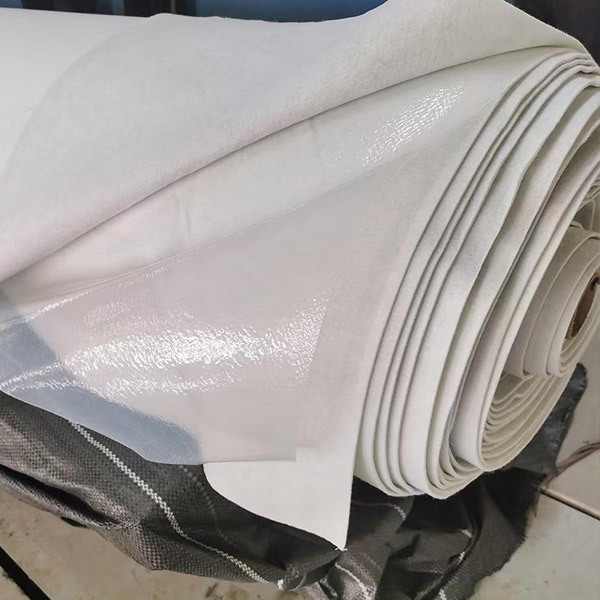
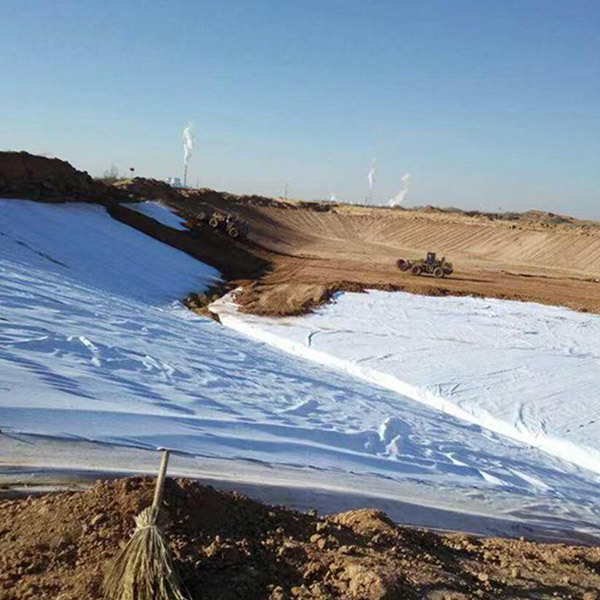
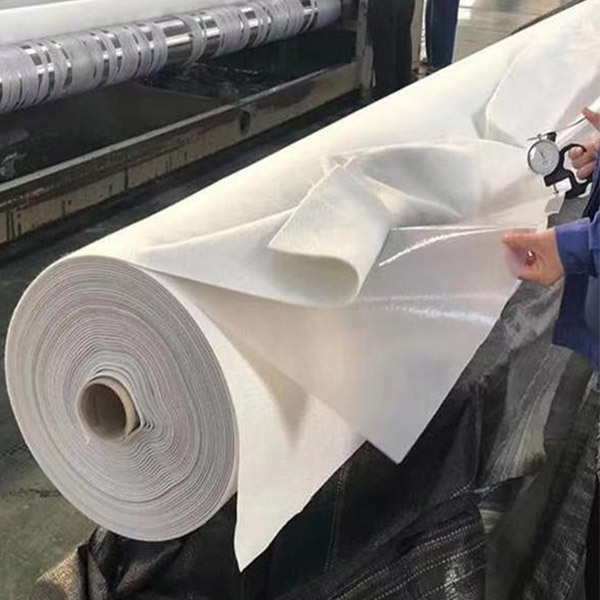
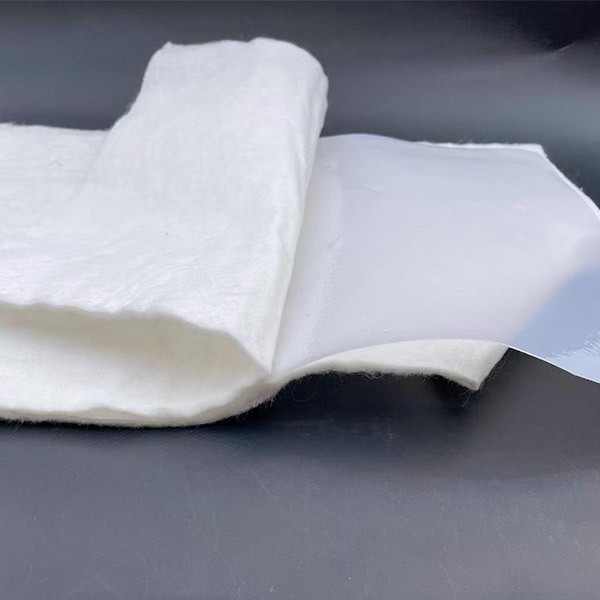
Terpal HDPE geomembrane is a high-density polyethylene material widely used in construction and landscaping applications. Known for its durability and versatility, this geomembrane serves as an effective barrier against water and contaminants, making it a popular choice in various projects, including landfill liners, pond liners, and irrigation systems. Understanding the properties and applications of Terpal HDPE geomembrane can greatly enhance its effectiveness in your construction projects.
One of the most significant advantages of Terpal HDPE geomembrane is its exceptional resistance to UV radiation and harsh weather conditions. This characteristic ensures that the material can withstand prolonged exposure to environmental factors without degrading, which is crucial for outdoor applications. Furthermore, its robust chemical resistance makes it an ideal choice for projects that involve hazardous waste containment, as it prevents leachate from contaminating surrounding soil and groundwater.
The installation process of Terpal HDPE geomembrane is designed to be efficient and straightforward. It can be laid down in large sheets, reducing the number of seams and potential points of failure. However, proper installation techniques are vital to ensure the integrity of the geomembrane. Adequate preparation of the subgrade, including ensuring a smooth and debris-free surface, is essential to prevent punctures and tears during installation. Additionally, using appropriate sealing methods for seams can further enhance the geomembrane’s performance.
When considering Terpal HDPE geomembrane for your project, it's essential to evaluate the specific requirements of your application. Factors such as the expected load, environmental conditions, and potential exposure to chemicals should all be taken into account. Consulting with industry experts can provide valuable insights into selecting the right thickness and specifications tailored to your project’s needs.
Another important aspect of Terpal HDPE geomembrane is its environmental impact. With the growing emphasis on sustainable construction practices, using geomembranes can significantly contribute to eco-friendly project outcomes. By effectively containing liquids and preventing soil contamination, Terpal HDPE geomembrane supports environmental protection efforts while also enhancing the longevity of construction projects.
In conclusion, Terpal HDPE geomembrane is a versatile and reliable material for various construction and landscaping applications. Its durability, ease of installation, and environmental benefits make it a smart choice for both residential and commercial projects. By understanding its properties and best practices for installation, you can maximize the advantages that Terpal HDPE geomembrane offers, ensuring your project’s success while safeguarding the environment.
One of the most significant advantages of Terpal HDPE geomembrane is its exceptional resistance to UV radiation and harsh weather conditions. This characteristic ensures that the material can withstand prolonged exposure to environmental factors without degrading, which is crucial for outdoor applications. Furthermore, its robust chemical resistance makes it an ideal choice for projects that involve hazardous waste containment, as it prevents leachate from contaminating surrounding soil and groundwater.
The installation process of Terpal HDPE geomembrane is designed to be efficient and straightforward. It can be laid down in large sheets, reducing the number of seams and potential points of failure. However, proper installation techniques are vital to ensure the integrity of the geomembrane. Adequate preparation of the subgrade, including ensuring a smooth and debris-free surface, is essential to prevent punctures and tears during installation. Additionally, using appropriate sealing methods for seams can further enhance the geomembrane’s performance.
When considering Terpal HDPE geomembrane for your project, it's essential to evaluate the specific requirements of your application. Factors such as the expected load, environmental conditions, and potential exposure to chemicals should all be taken into account. Consulting with industry experts can provide valuable insights into selecting the right thickness and specifications tailored to your project’s needs.
Another important aspect of Terpal HDPE geomembrane is its environmental impact. With the growing emphasis on sustainable construction practices, using geomembranes can significantly contribute to eco-friendly project outcomes. By effectively containing liquids and preventing soil contamination, Terpal HDPE geomembrane supports environmental protection efforts while also enhancing the longevity of construction projects.
In conclusion, Terpal HDPE geomembrane is a versatile and reliable material for various construction and landscaping applications. Its durability, ease of installation, and environmental benefits make it a smart choice for both residential and commercial projects. By understanding its properties and best practices for installation, you can maximize the advantages that Terpal HDPE geomembrane offers, ensuring your project’s success while safeguarding the environment.
Xinying·Strength for the Earth
Home
About Us
Contact Us
Email:xinyingcailiao@gmail.com
WhatsApp:+86 19953899723
Tel:+86 19953899723
Copyright ©