
Top Benefits of Using EPI Geomembrane in Civil Engineering
Time:
Nov 27,2024
Top Benefits of Using EPI Geomembrane in Civil Engineering In the realm of civil engineering, the choice of materials can significantly influence the longevity, safety, and efficiency of construction projects. Among the myriad of options available, EPI geomembrane has emerged as a preferred choice for many professionals. This article delves into the **top benefits of using EPI geomembrane**, hig
Top Benefits of Using EPI Geomembrane in Civil Engineering
In the realm of civil engineering, the choice of materials can significantly influence the longevity, safety, and efficiency of construction projects. Among the myriad of options available, EPI geomembrane has emerged as a preferred choice for many professionals. This article delves into the **top benefits of using EPI geomembrane**, highlighting its advantages in various applications within civil engineering.
Table of Contents
- 1. Introduction to EPI Geomembrane
- 2. Key Characteristics of EPI Geomembrane
- 3. Benefits of EPI Geomembrane in Construction
- 3.1 Durability and Longevity
- 3.2 Environmental Protection
- 3.3 Cost-Effectiveness
- 3.4 Ease of Installation
- 4. Applications of EPI Geomembrane in Civil Engineering
- 5. Comparing EPI Geomembrane with Other Materials
- 6. Best Practices for Using EPI Geomembrane
- 7. Frequently Asked Questions
- 8. Conclusion
1. Introduction to EPI Geomembrane
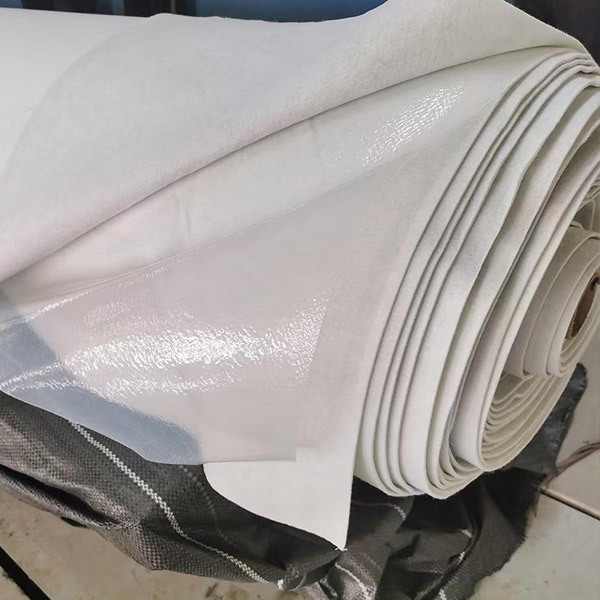
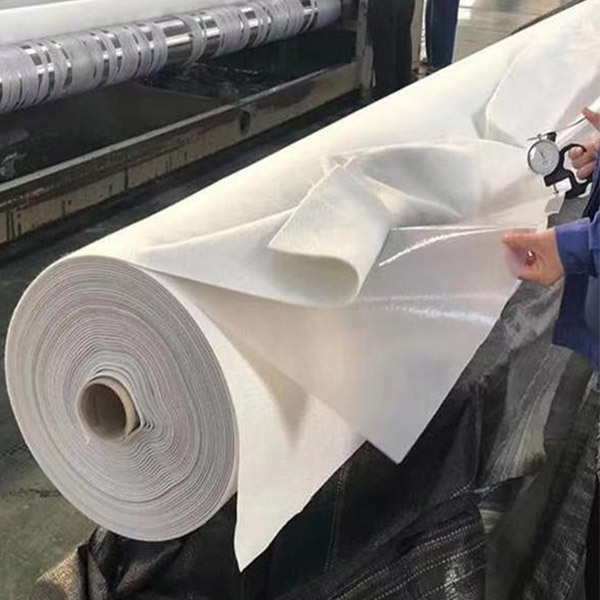
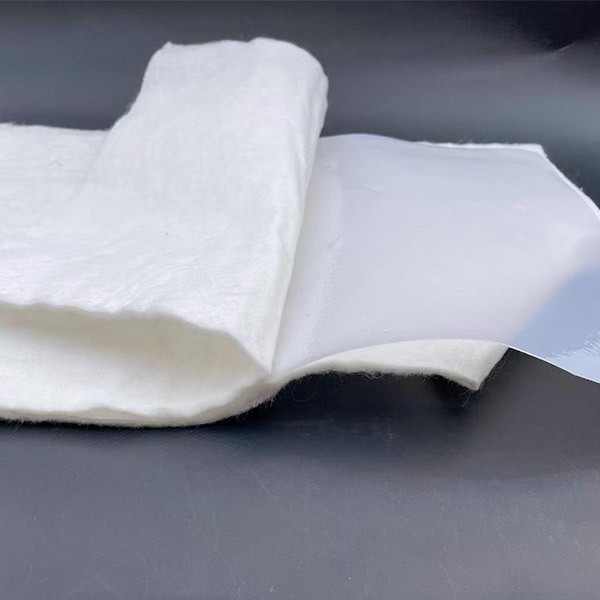
EPI geomembrane, specifically designed for containment and protection, is a synthetic membrane liner primarily utilized in civil engineering. Made from high-quality materials, it offers exceptional resistance to environmental stressors, making it ideal for various applications including landfills, ponds, and mining operations. The use of EPI geomembrane has revolutionized the way engineers approach containment solutions, providing reliable and efficient options for modern construction challenges.
2. Key Characteristics of EPI Geomembrane
Before delving into the specific benefits of EPI geomembrane, it is crucial to understand its key characteristics:
- High Strength and Flexibility: EPI geomembranes are engineered to endure extreme stress while maintaining flexibility, making them suitable for diverse applications.
- Chemical Resistance: These membranes resist degradation from harsh chemicals, ensuring long-term performance.
- UV Stability: EPI geomembrane is designed to withstand ultraviolet radiation, which prolongs its lifespan even in outdoor settings.
- Seam Integrity: The fusion-welded seams provide superior strength and reliability, crucial for containment applications.
3. Benefits of EPI Geomembrane in Construction
Now that we have covered the primary characteristics of EPI geomembrane, let’s explore the significant benefits it offers in construction.
3.1 Durability and Longevity
One of the standout advantages of EPI geomembrane is its **durability**. Engineered to withstand extreme weather conditions, punctures, and environmental degradation, these membranes can last for decades with minimal maintenance. This longevity translates to cost savings over time, as projects require less frequent repairs or replacements.
3.2 Environmental Protection
Environmental concerns are at the forefront of civil engineering today. EPI geomembrane provides essential protection against soil and water contamination. Its impermeable nature prevents the leaching of harmful substances into the ground and water supplies, making it a crucial component in environmentally-sensitive projects like landfills and hazardous waste sites.
3.3 Cost-Effectiveness
While the initial investment in EPI geomembrane may be higher than some alternatives, its **cost-effectiveness** becomes evident over time. The reduced need for maintenance and repairs, along with its longevity, leads to lower overall project costs. Furthermore, the efficiency of installation can also minimize labor costs, making it an economically sound choice for engineers.
3.4 Ease of Installation
EPI geomembrane is designed for **ease of installation**, which significantly benefits construction timelines. Its lightweight nature allows for straightforward handling and transportation. The membrane can be installed quickly, often reducing the labor hours required, which enhances overall project efficiency.
4. Applications of EPI Geomembrane in Civil Engineering
The versatility of EPI geomembrane makes it suitable for various applications in civil engineering:
4.1 Landfills and Waste Management
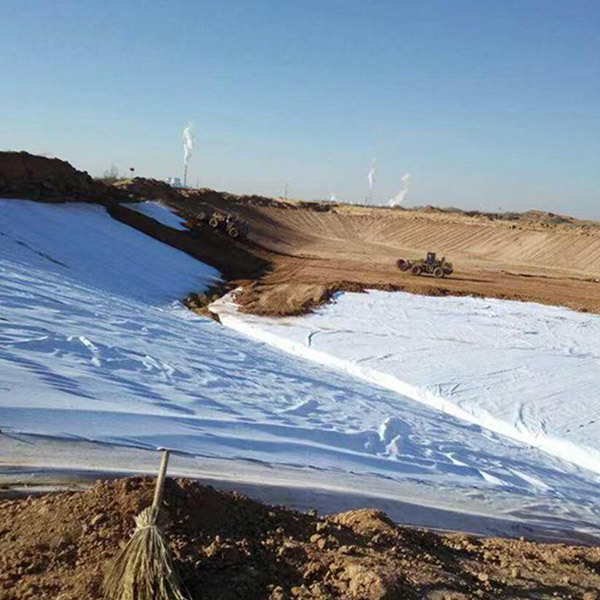
In landfill applications, EPI geomembrane acts as an impermeable barrier that prevents leachate from contaminating surrounding soil and groundwater. Its durability ensures that it withstands the pressures associated with waste, making it an integral component of modern waste management practices.
4.2 Water Resource Management
EPI geomembrane is utilized in the construction of reservoirs, ponds, and irrigation systems. Its **waterproof properties** help in retaining water and minimizing evaporation. This feature contributes to effective water resource management, especially in arid regions where water conservation is critical.
4.3 Mining Projects
In mining operations, EPI geomembrane serves as a critical containment solution for tailings and waste materials. It prevents the leakage of harmful substances into the environment, thus protecting ecosystems and adhering to regulatory standards. Its high chemical resistance makes it particularly effective in this context.
5. Comparing EPI Geomembrane with Other Materials
When evaluating options for geomembranes, it is essential to compare EPI geomembrane with other materials such as HDPE (High-Density Polyethylene) and PVC (Polyvinyl Chloride). While HDPE is known for its strength, EPI offers superior flexibility and UV stability. On the other hand, PVC, while cost-effective, often lacks the durability and environmental resistance of EPI geomembrane. This comparative analysis highlights why EPI geomembrane is frequently the preferred choice for engineers seeking reliable performance.
6. Best Practices for Using EPI Geomembrane
To maximize the benefits of EPI geomembrane, several best practices should be followed:
- Proper Site Preparation: Ensure the installation site is properly prepared to prevent damage to the geomembrane.
- Quality Installation: Utilize skilled labor for installation to guarantee the integrity of seams and joints.
- Regular Inspections: Conduct routine inspections to identify potential issues before they escalate.
7. Frequently Asked Questions
7.1 What is EPI geomembrane made of?
EPI geomembrane is typically made from high-density polyethylene, which provides excellent strength, flexibility, and resistance to chemicals.
7.2 How long does EPI geomembrane last?
With proper installation and maintenance, EPI geomembrane can last for several decades, often exceeding 30 years.
7.3 Can EPI geomembrane be recycled?
Yes, EPI geomembrane can be recycled, though specific recycling options may vary by region and project specifications.
7.4 Is EPI geomembrane suitable for extreme weather conditions?
Absolutely! EPI geomembrane is designed to withstand extreme temperatures, UV radiation, and other environmental stresses.
7.5 How does EPI geomembrane compare to other geomembrane materials?
EPI geomembrane offers superior flexibility, UV stability, and environmental resistance compared to many other geomembrane materials, making it a preferred choice for various applications.
8. Conclusion
The use of EPI geomembrane in civil engineering introduces a wealth of benefits that enhance project efficiency, durability, and environmental protection. Its unique characteristics make it an invaluable tool in the construction industry, particularly in applications that require reliable containment solutions. By understanding and leveraging the advantages of EPI geomembrane, engineers can ensure the success of their projects while contributing to sustainable practices in the field. As we look towards the future, incorporating innovative materials like EPI geomembrane will undoubtedly transform civil engineering standards, fostering both safety and environmental integrity.
Xinying·Strength for the Earth
Home
About Us
Contact Us
Email:xinyingcailiao@gmail.com
WhatsApp:+86 19953899723
Tel:+86 19953899723
Copyright ©