
Top Features to Look for in Composite Geomembranes for Your Construction Needs
Time:
Nov 23,2024
Top Features to Look for in Composite Geomembranes for Your Construction Needs When it comes to construction projects, selecting the right materials is critical to ensure that the structure remains durable and functional over time. One of the essential components in many construction applications is composite geomembranes. These materials play a pivotal role in various applications such as landf
Top Features to Look for in Composite Geomembranes for Your Construction Needs
When it comes to construction projects, selecting the right materials is critical to ensure that the structure remains durable and functional over time. One of the essential components in many construction applications is composite geomembranes. These materials play a pivotal role in various applications such as landfill liners, pond liners, and water containment systems. In this article, we will explore the top features to look for in composite geomembranes and how these characteristics can impact your construction needs.
Understanding Composite Geomembranes
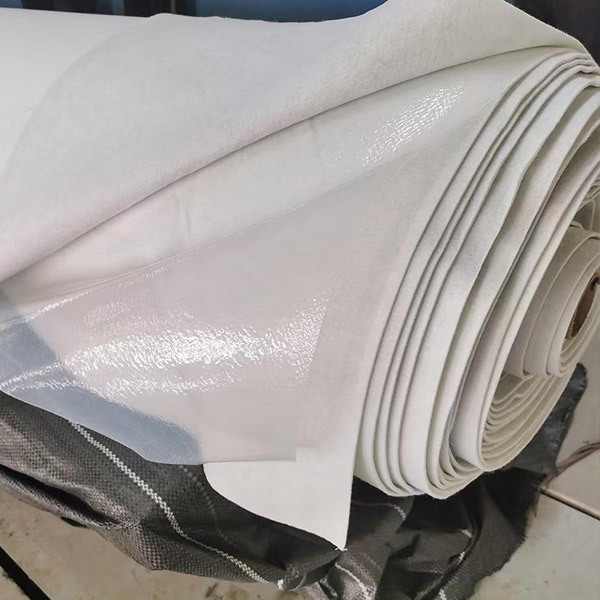
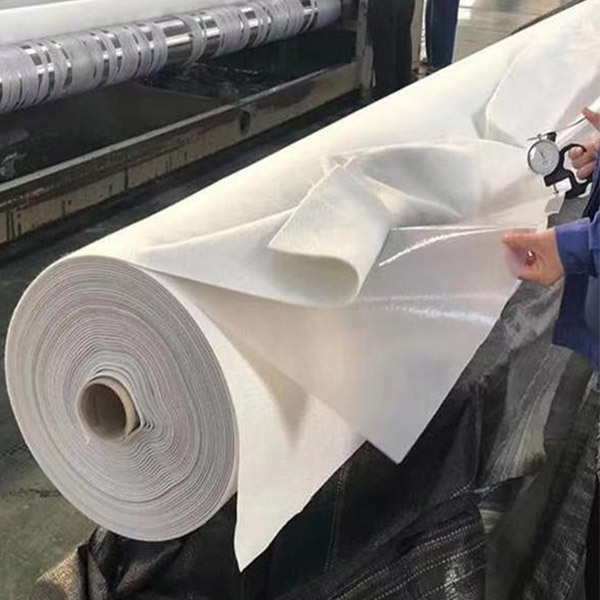
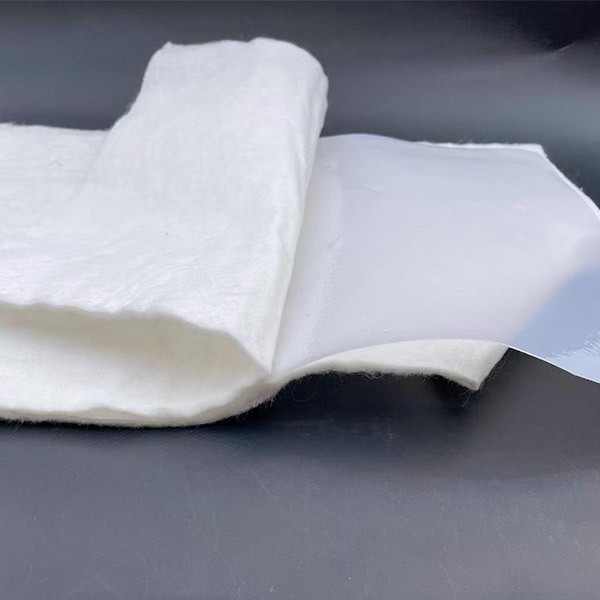
Composite geomembranes are engineered products that combine two or more types of materials to provide enhanced performance in various applications. They are typically composed of a polymeric layer, often made of high-density polyethylene (HDPE) or linear low-density polyethylene (LLDPE), and a geotextile layer. This combination provides excellent physical and mechanical properties, making them ideal for a wide range of construction uses.
Why Choose Composite Geomembranes?
The versatility of composite geomembranes makes them a popular choice in the construction industry. They not only act as barriers to prevent liquids and gases from penetrating the underlying soil, but they also provide reinforcement and drainage capabilities. Understanding their features will help you make informed decisions when selecting geomembranes for your specific needs.
Key Features to Consider in Composite Geomembranes
1. Durability and Longevity
Composite geomembranes must withstand harsh environmental conditions, including temperature fluctuations, UV exposure, and chemical exposure. Look for materials that boast long-term durability and resistance to punctures and tears. High-quality geomembranes are designed to last for decades, providing peace of mind for your investment.
2. Chemical Resistance
In many construction applications, geomembranes come into contact with various chemicals, including oils, acids, and solvents. It's crucial to choose geomembranes that offer high resistance to these substances to prevent degradation and ensure the effectiveness of the barrier system. Always check the manufacturer's specifications for chemical compatibility.
3. Flexibility and Conformability
Composite geomembranes need to be flexible enough to adapt to varying substrate conditions. This adaptability is essential for proper installation and ensures that the geomembrane conforms to the underlying surface, reducing the risk of wrinkles or folds that could compromise its integrity. Look for products that offer a suitable balance between flexibility and tensile strength.
4. Thickness and Weight
The thickness of the geomembrane directly impacts its performance and durability. Thicker membranes tend to offer better resistance to punctures and tears but can be more challenging to handle and install. Evaluate the weight of the material as well, as this will affect transportation and installation logistics. Select a geomembrane that meets the specific requirements of your project while balancing weight and thickness.
5. Environmental Compliance
In today's construction landscape, environmental considerations are paramount. Ensure that the composite geomembranes you choose comply with local and national environmental regulations. Many manufacturers provide certifications that indicate their products are environmentally friendly, which can be an essential factor in your decision-making process.
6. Installation Ease
The ease of installation can significantly impact project timelines and costs. Look for composite geomembranes that come with clear installation guidelines and require minimal equipment. Some products may even offer prefabricated panels that simplify the process, reducing labor time and costs on site.
7. Cost-Effectiveness
While it's essential to invest in high-quality geomembranes, it’s equally important to consider your budget. Assess the long-term value of the material, including its durability and performance, relative to its cost. Sometimes, a higher upfront investment can lead to significant savings in maintenance and replacement costs over time.
8. Customization Options
Depending on your specific project needs, you may require geomembranes with customized features. Some manufacturers offer options for added reinforcement, specific colors for visibility, or unique textures for improved friction and drainage. Customizable geomembranes can enhance performance for specialized applications, so explore what options are available.
Common Applications of Composite Geomembranes
1. Landfill Liners
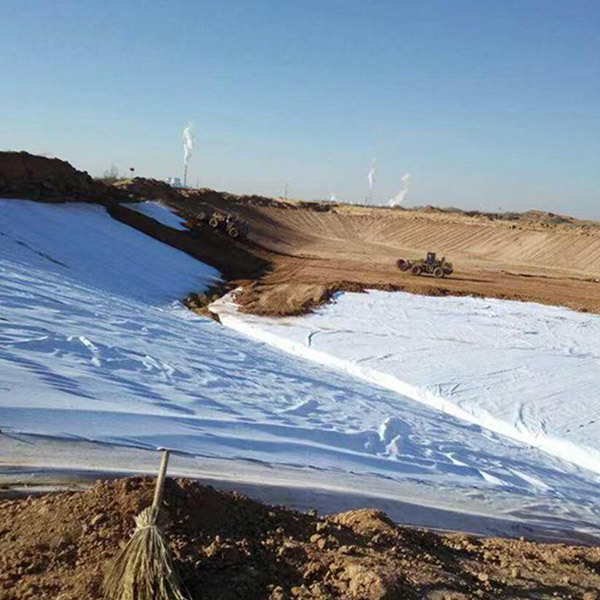
Composite geomembranes are widely utilized as landfill liners to prevent leachate from contaminating the surrounding soil and groundwater. Their chemical resistance and durability make them an ideal choice for this application.
2. Water Containment Systems
In agricultural and industrial settings, composite geomembranes are used to line ponds, tanks, and reservoirs. Their waterproof properties ensure that water is contained effectively, preventing loss through seepage.
3. Mining Applications
In the mining industry, composite geomembranes are often used in heap leach pads and tailings storage facilities. Their robustness and chemical resistance help to manage hazardous materials safely.
4. Civil Engineering Projects
Many civil engineering projects, including road construction and infrastructure development, utilize composite geomembranes for drainage, erosion control, and separation layers. Their flexibility and adaptability make them suitable for various applications.
Frequently Asked Questions (FAQs)
1. What are composite geomembranes made of?
Composite geomembranes are typically made of a combination of polymeric materials, such as HDPE or LLDPE, and geotextiles. This combination provides enhanced performance properties.
2. How long do composite geomembranes last?
High-quality composite geomembranes can last for decades when properly installed and maintained, often exceeding 20-30 years of service life.
3. Are composite geomembranes environmentally friendly?
Many composite geomembranes are designed to comply with environmental regulations and can be manufactured from recycled materials, making them an eco-friendly option.
4. Can composite geomembranes be recycled?
While not all composite geomembranes are recyclable, some manufacturers offer recycling programs. It's essential to check with the specific producer regarding their recycling policies.
5. How do I choose the right composite geomembrane for my project?
Consider factors such as durability, chemical resistance, ease of installation, and environmental compliance. Consulting with a supplier or engineer can also help in making the best choice for your specific needs.
Conclusion
Choosing the right composite geomembrane for your construction project is crucial for ensuring long-term performance and durability. By considering the key features outlined in this article, you can make an informed decision that meets your project's specific requirements. Whether you’re dealing with environmental concerns or structural integrity, investing in high-quality composite geomembranes can lead to significant benefits down the line. In a constantly evolving construction landscape, having the right materials at your disposal will undoubtedly set you on the path to success.
Xinying·Strength for the Earth
Home
About Us
Contact Us
Email:xinyingcailiao@gmail.com
WhatsApp:+86 19953899723
Tel:+86 19953899723
Copyright ©