
Understanding Terpal HDPE Geomembrane: A Key Component in Construction Material
Time:
Nov 20,2024
Terpal HDPE geomembrane is a specialized polymer product widely used in the construction and civil engineering sectors, particularly for applications involving soil and water containment. Made from high-density polyethylene (HDPE), this geomembrane offers exceptional durability and flexibility, making it an ideal choice for various construction projects. One of the main advantages of Terpal HDPE g
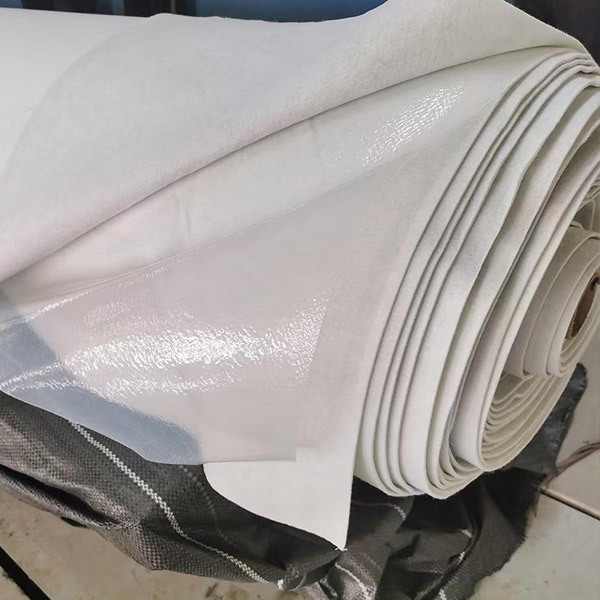
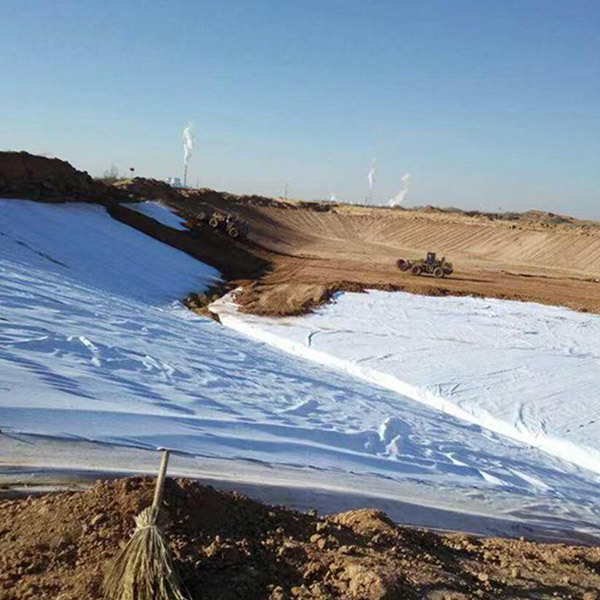
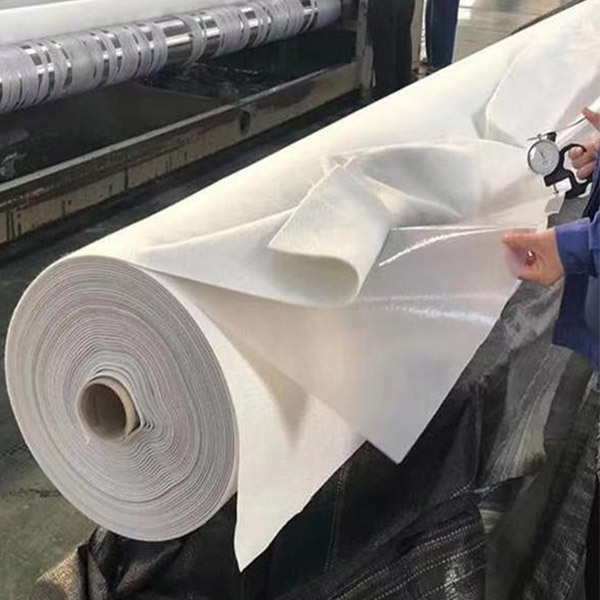
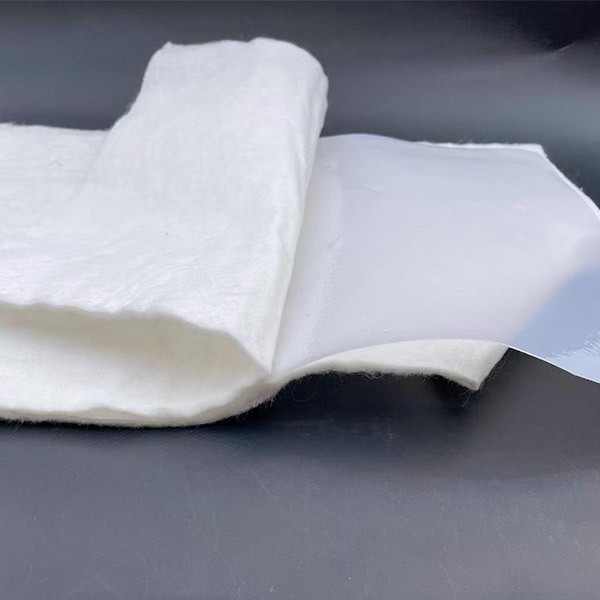
Terpal HDPE geomembrane is a specialized polymer product widely used in the construction and civil engineering sectors, particularly for applications involving soil and water containment. Made from high-density polyethylene (HDPE), this geomembrane offers exceptional durability and flexibility, making it an ideal choice for various construction projects.
One of the main advantages of Terpal HDPE geomembrane is its excellent resistance to chemical and environmental factors. It can withstand harsh conditions, including extreme temperatures and UV radiation, which is crucial for construction projects exposed to diverse weather elements. This resilience helps prevent deterioration over time, contributing to the longevity and reliability of structures that incorporate this material.
In addition, Terpal HDPE geomembrane provides an effective barrier against liquids, making it particularly valuable in applications such as landfill liners, water reservoir liners, and mining operations. Its impermeability ensures that harmful contaminants do not leach into the surrounding soil or groundwater, promoting environmental safety and compliance with regulations.
The installation of Terpal HDPE geomembrane is relatively straightforward, with options for welding seams or using adhesive methods to secure it in place. This ease of installation not only speeds up construction timelines but also minimizes labor costs, making it an economically viable choice for contractors and project managers.
Moreover, Terpal HDPE geomembrane is lightweight and easy to handle, which further enhances its appeal in construction applications. Its manageable size and weight allow for efficient transportation and application across various sites, including remote or challenging locations. This portability can be a significant advantage for projects requiring quick mobilization.
In terms of versatility, Terpal HDPE geomembrane can be utilized in a multitude of applications beyond the conventional realms. It is often employed in agricultural projects for irrigation systems, as well as in aquaculture for pond liners. Its adaptability makes it a valuable resource for professionals across different sectors.
When considering the environmental impact, Terpal HDPE geomembrane is a sustainable choice. It is recyclable, meaning that once it reaches the end of its life cycle, it can be repurposed, contributing to a circular economy in construction materials. This sustainability feature aligns with the increasing demand for eco-friendly solutions in the construction industry.
In conclusion, Terpal HDPE geomembrane serves as a critical component in modern construction practices. Its durability, impermeability, ease of installation, and versatility make it an indispensable material for various applications. As the industry continues to evolve, understanding the benefits and applications of Terpal HDPE geomembrane will help professionals make informed decisions to enhance project outcomes.
One of the main advantages of Terpal HDPE geomembrane is its excellent resistance to chemical and environmental factors. It can withstand harsh conditions, including extreme temperatures and UV radiation, which is crucial for construction projects exposed to diverse weather elements. This resilience helps prevent deterioration over time, contributing to the longevity and reliability of structures that incorporate this material.
In addition, Terpal HDPE geomembrane provides an effective barrier against liquids, making it particularly valuable in applications such as landfill liners, water reservoir liners, and mining operations. Its impermeability ensures that harmful contaminants do not leach into the surrounding soil or groundwater, promoting environmental safety and compliance with regulations.
The installation of Terpal HDPE geomembrane is relatively straightforward, with options for welding seams or using adhesive methods to secure it in place. This ease of installation not only speeds up construction timelines but also minimizes labor costs, making it an economically viable choice for contractors and project managers.
Moreover, Terpal HDPE geomembrane is lightweight and easy to handle, which further enhances its appeal in construction applications. Its manageable size and weight allow for efficient transportation and application across various sites, including remote or challenging locations. This portability can be a significant advantage for projects requiring quick mobilization.
In terms of versatility, Terpal HDPE geomembrane can be utilized in a multitude of applications beyond the conventional realms. It is often employed in agricultural projects for irrigation systems, as well as in aquaculture for pond liners. Its adaptability makes it a valuable resource for professionals across different sectors.
When considering the environmental impact, Terpal HDPE geomembrane is a sustainable choice. It is recyclable, meaning that once it reaches the end of its life cycle, it can be repurposed, contributing to a circular economy in construction materials. This sustainability feature aligns with the increasing demand for eco-friendly solutions in the construction industry.
In conclusion, Terpal HDPE geomembrane serves as a critical component in modern construction practices. Its durability, impermeability, ease of installation, and versatility make it an indispensable material for various applications. As the industry continues to evolve, understanding the benefits and applications of Terpal HDPE geomembrane will help professionals make informed decisions to enhance project outcomes.
Xinying·Strength for the Earth
Home
About Us
Contact Us
Email:xinyingcailiao@gmail.com
WhatsApp:+86 19953899723
Tel:+86 19953899723
Copyright ©