
Understanding the Benefits of Using Composite Geomembranes in Civil Engineering
Time:
Nov 13,2024
Understanding the Benefits of Using Composite Geomembranes in Civil Engineering Table of Contents 1. Introduction to Composite Geomembranes 2. What Are Composite Geomembranes? 3. Key Benefits of Composite Geomembranes 3.1 Durability and Longevity 3.2 Environmental Compatibility 3.3 Cost-Effectiveness 3.4 Versatility in Applicati
Understanding the Benefits of Using Composite Geomembranes in Civil Engineering
Table of Contents
- 1. Introduction to Composite Geomembranes
- 2. What Are Composite Geomembranes?
- 3. Key Benefits of Composite Geomembranes
- 3.1 Durability and Longevity
- 3.2 Environmental Compatibility
- 3.3 Cost-Effectiveness
- 3.4 Versatility in Applications
- 4. Applications of Composite Geomembranes in Civil Engineering
- 5. Sustainability Aspects of Composite Geomembranes
- 6. Installation Techniques for Composite Geomembranes
- 7. Challenges and Considerations
- 8. Frequently Asked Questions
- 9. Conclusion
1. Introduction to Composite Geomembranes
Composite geomembranes have emerged as a crucial component in modern civil engineering, providing innovative solutions for a variety of construction challenges. Their unique structure, combining multiple layers of materials, enhances their performance in applications such as waste containment, water management, and environmental protection. This article delves into the myriad benefits of composite geomembranes and their growing importance within the civil engineering sector.
2. What Are Composite Geomembranes?
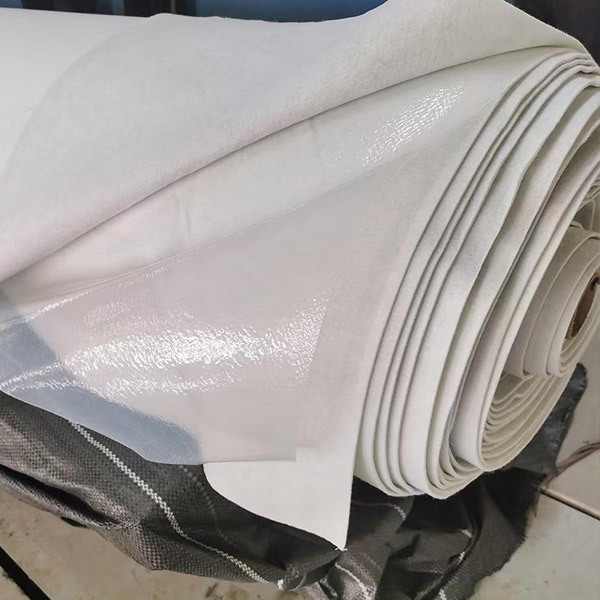
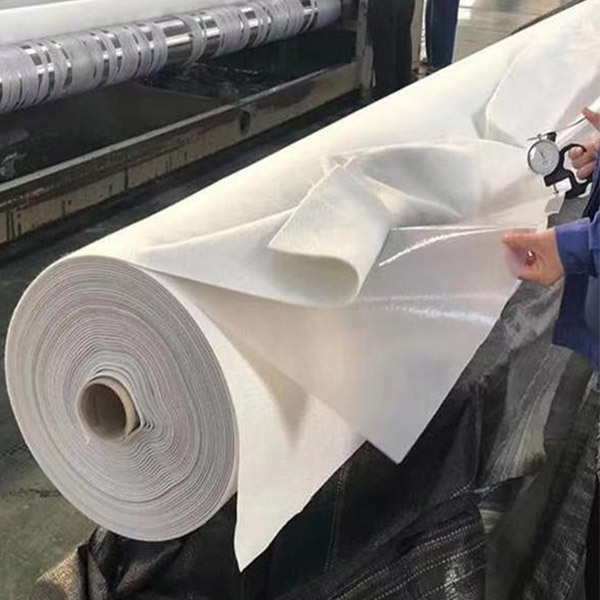
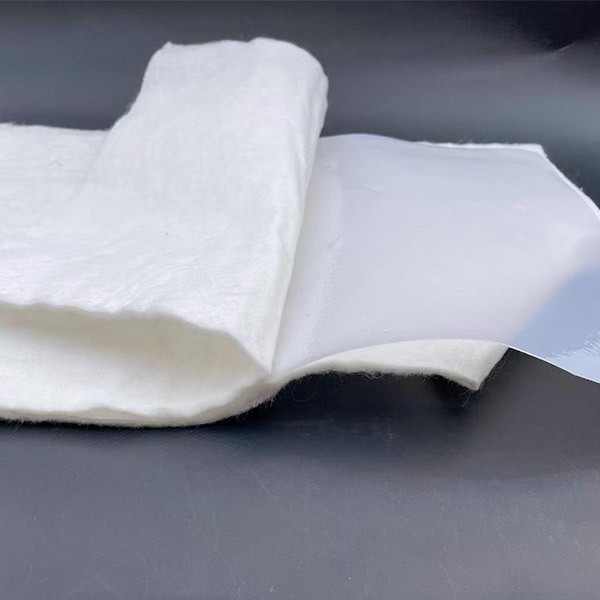
Composite geomembranes are engineered materials that consist of a polymeric layer combined with other materials, such as geotextiles or reinforcement fabrics. This composite structure is designed to provide superior properties compared to traditional geomembranes. The polymers used, typically high-density polyethylene (HDPE) or ethylene propylene diene monomer (EPDM), are chosen for their excellent chemical resistance and impermeability.
These geomembranes play a vital role in preventing the migration of contaminants, making them ideal for applications where environmental protection is paramount. Their versatility allows them to be tailored to meet specific project requirements, whether for landfill liners, pond liners, or other civil engineering applications.
3. Key Benefits of Composite Geomembranes
3.1 Durability and Longevity
One of the standout features of composite geomembranes is their **exceptional durability**. The multilayer structure enhances their resistance to physical and chemical degradation, ensuring a longer lifespan in harsh environments. This durability translates into reduced maintenance costs and the longevity of the projects they are employed in.
3.2 Environmental Compatibility
Composite geomembranes are designed with environmental protection in mind. Their impermeable nature prevents leakage of hazardous substances, making them ideal for use in waste management systems and hazardous material containment. Additionally, many composite geomembranes are made from recyclable materials, contributing to sustainable construction practices.
3.3 Cost-Effectiveness
Investing in composite geomembranes can lead to significant cost savings over the lifecycle of a project. Their durability reduces the need for frequent replacements, while their ease of installation minimizes labor costs. Furthermore, the enhanced performance of these geomembranes often leads to fewer project delays and improved overall efficiency.
3.4 Versatility in Applications
Composite geomembranes are highly versatile, suitable for a wide range of applications in civil engineering. They can be utilized in:
- Landfill liners
- Hydrocarbon containment
- Stormwater management systems
- Agricultural ponds
- Wastewater treatment facilities
This adaptability makes them an invaluable resource for engineers tackling diverse project challenges.
4. Applications of Composite Geomembranes in Civil Engineering
The application of composite geomembranes spans numerous sectors within civil engineering. Their properties make them particularly effective in:
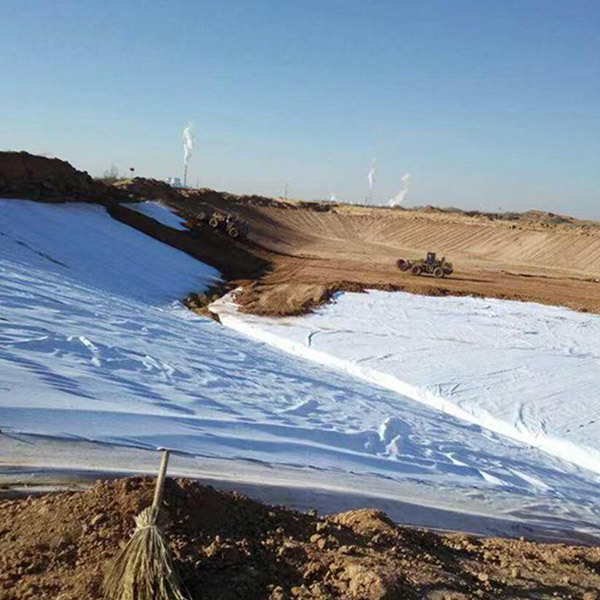
- **Landfills**: Used as liners to prevent leachate from contaminating groundwater sources.
- **Ponds and Lagoons**: Employed in agricultural applications to retain water and prevent evaporation.
- **Mining Operations**: Serve as barriers to contain toxic leachates and protect surrounding ecosystems.
- **Wastewater Treatment**: Utilized to create impermeable barriers in treatment facilities.
These applications not only highlight the functionality of composite geomembranes but also their importance in safeguarding the environment and public health.
5. Sustainability Aspects of Composite Geomembranes
Sustainability is a significant consideration in modern civil engineering practices. Composite geomembranes contribute to green building efforts through:
- **Resource Conservation**: Their durability reduces the need for resource-intensive repairs and replacements.
- **Reduced Carbon Footprint**: Fewer replacements mean lower transportation emissions and less waste.
- **Sustainable Sourcing**: Many manufacturers produce geomembranes from recycled materials, promoting a circular economy.
By integrating composite geomembranes into projects, engineers can align with sustainable practices while ensuring high-performance outcomes.
6. Installation Techniques for Composite Geomembranes
Proper installation of composite geomembranes is crucial to their effectiveness in civil engineering applications. Key techniques involve:
- **Site Preparation**: Ensuring a smooth, stable base to minimize punctures and tears.
- **Seaming Methods**: Utilizing welding, adhesive bonding, or mechanical fastening to join geomembrane sections securely.
- **Quality Control**: Conducting regular inspections and testing during installation to ensure adherence to specifications.
By following best practices in installation, engineers can maximize the performance and longevity of composite geomembranes.
7. Challenges and Considerations
While composite geomembranes offer numerous advantages, challenges exist. Engineers must consider:
- **Initial Costs**: Although cost-effective in the long run, the upfront investment can be higher than traditional materials.
- **Environmental Conditions**: Certain climatic conditions may affect material performance, requiring careful selection.
- **Regulatory Compliance**: Adhering to local and national regulations regarding materials and installation practices is essential.
By addressing these challenges proactively, engineers can effectively implement composite geomembranes in their projects.
8. Frequently Asked Questions
What are the primary materials used in composite geomembranes?
Composite geomembranes typically consist of high-density polyethylene (HDPE) or ethylene propylene diene monomer (EPDM) combined with geotextiles or other reinforcement materials.
How do composite geomembranes contribute to environmental protection?
They create impermeable barriers that prevent the migration of harmful substances, safeguarding groundwater and surrounding ecosystems.
What are the installation requirements for composite geomembranes?
Installation requires proper site preparation, secure seaming methods, and adherence to quality control measures to ensure optimal performance.
Can composite geomembranes be recycled?
Yes, many composite geomembranes are made from recyclable materials, contributing to sustainable construction practices.
What is the lifespan of composite geomembranes?
With proper installation and maintenance, composite geomembranes can last for decades, significantly reducing the need for replacements.
9. Conclusion
In conclusion, composite geomembranes present a robust, versatile solution for numerous challenges in civil engineering. Their durability, environmental compatibility, cost-effectiveness, and wide range of applications make them an essential material in modern construction practices. By understanding and leveraging the benefits of composite geomembranes, engineers can enhance project sustainability while achieving superior performance. As the demand for innovative and environmentally friendly construction solutions continues to grow, composite geomembranes are poised to play an increasingly vital role in shaping the future of civil engineering.
Xinying·Strength for the Earth
Home
About Us
Contact Us
Email:xinyingcailiao@gmail.com
WhatsApp:+86 19953899723
Tel:+86 19953899723
Copyright ©