
Why Dacron Geogrid is Essential for Modern Civil Engineering
Time:
Nov 11,2024
Understanding Dacron Geogrid and Its Significance in Civil Engineering Dacron geogrid, a type of geosynthetic material made from high-tenacity polyester fibers, plays a pivotal role in modern civil engineering. As infrastructure demands grow, the need for durable and reliable materials increases. Dacron geogrids provide a solution, ensuring structural integrity and longevity in various application
Understanding Dacron Geogrid and Its Significance in Civil Engineering
Dacron geogrid, a type of geosynthetic material made from high-tenacity polyester fibers, plays a pivotal role in modern civil engineering. As infrastructure demands grow, the need for durable and reliable materials increases. Dacron geogrids provide a solution, ensuring structural integrity and longevity in various applications.
What is Dacron Geogrid?
Dacron geogrids are engineered mesh structures that reinforce soil and other materials. They enhance the stability of roads, retaining walls, slopes, and other civil engineering applications by distributing loads and preventing erosion. The unique properties of Dacron, including high tensile strength and resistance to environmental factors, make it an ideal choice for construction projects.
The Composition and Properties of Dacron
Dacron, a type of polyester, is known for its strength and durability. The fibers are designed to withstand harsh environmental conditions, including UV radiation, moisture, and temperature fluctuations. Key properties include:
- **High tensile strength**: Dacron geogrids can support significant loads without deformation.
- **Chemical resistance**: They are resistant to various chemicals and biological agents, ensuring longevity.
- **Lightweight yet sturdy**: The materials are easy to transport and install while providing substantial strength.
Why Engineers Choose Dacron Geogrids
Civil engineers favor Dacron geogrids for several reasons:
1. **Enhanced soil stability**: The structure of geogrids helps stabilize soil, reducing the risk of settling and shifting.
2. **Erosion control**: Dacron geogrids prevent soil erosion, especially in slopes and near water bodies.
3. **Cost-effective solution**: With their durability and ability to extend the lifespan of constructions, Dacron geogrids prove to be a cost-effective choice in the long term.
The Role of Dacron Geogrid in Modern Infrastructure Projects
In today’s fast-paced development environment, the role of Dacron geogrids cannot be overstated. They are integral to various infrastructure projects, ensuring safety and performance.
Applications of Dacron Geogrids
Dacron geogrids find utility in multiple applications, including:
- **Road Construction**: Used as a base reinforcement layer, they enhance the load-bearing capacity of roads, minimizing cracking and deformation.
- **Retaining Walls**: Dacron geogrids provide lateral support and stability, reducing the risk of failure in retaining wall structures.
- **Slope Stabilization**: They reinforce slopes, preventing landslides and erosion through effective weight distribution.
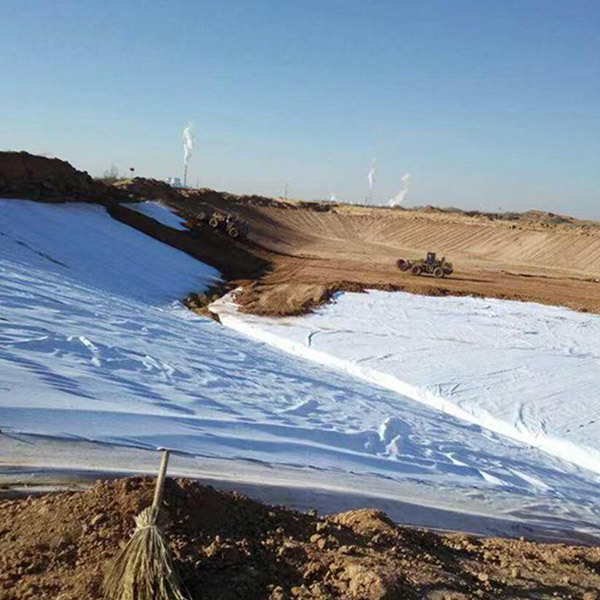
- **Landfills**: Dacron geogrids aid in the construction of landfill caps and liners, improving load distribution and stability.
The Benefits of Using Dacron Geogrids in Construction
The implementation of Dacron geogrids offers several benefits:
- **Increased Load Capacity**: Their structural integrity allows for greater load distribution, leading to safer constructions.
- **Reduced Maintenance**: The durability of Dacron minimizes the need for frequent repairs and maintenance, lowering long-term costs.
- **Sustainability**: Dacron geogrids contribute to sustainable construction practices, as they promote effective soil management and erosion control.
Technical Advantages of Dacron Geogrids
Dacron geogrids are not just beneficial for their physical properties; they also offer technical advantages that enhance project outcomes.
Load Distribution and Stress Reduction
One of the key functions of Dacron geogrids is to distribute loads evenly across the ground. This distribution reduces the stress on individual soil particles, minimizing the risk of failure. It allows structures to withstand greater forces, making them suitable for high-traffic areas and heavy constructions.
Long-Term Performance and Durability
Dacron geogrids are designed for long-term performance. Their resistance to environmental degradation ensures that they maintain their structural integrity over time. This longevity is particularly valuable in areas prone to extreme weather conditions or where soil stability is a concern.
Installation and Maintenance of Dacron Geogrids
The ease of installation is another reason why Dacron geogrids are favored in civil engineering.
Installation Process
The installation of Dacron geogrids typically involves the following steps:
1. **Site Preparation**: The area must be cleared and graded to provide a stable base.
2. **Geogrid Placement**: The Dacron geogrid is laid out in the desired configuration, ensuring proper alignment.
3. **Backfilling**: Soil is added to cover the geogrid, compacting it to ensure stability.
4. **Final Inspection**: A thorough inspection ensures that the installation meets engineering specifications.
Maintenance Considerations
While Dacron geogrids require minimal maintenance, regular inspections are advisable to identify any potential issues. Monitoring for signs of erosion or displacement can help ensure the longevity of the installation.
Comparative Analysis: Dacron Geogrid vs. Other Geogrid Materials
When evaluating geogrid materials, Dacron stands out against other options, such as polypropylene or fiberglass.
Performance Comparison
- **Tensile Strength**: Dacron exhibits superior tensile strength compared to polypropylene, making it more suitable for high-load applications.
- **Environmental Resistance**: Dacron’s resistance to UV light and moisture surpasses that of fiberglass, ensuring performance in diverse conditions.
- **Cost Efficiency**: While Dacron may have a higher upfront cost, its durability and reduced maintenance needs translate to long-term savings.
Choosing the Right Geogrid for Your Project
Selecting the appropriate geogrid depends on the specific requirements of the project. Factors such as load conditions, soil type, and environmental factors should be considered to make an informed choice.
Future of Dacron Geogrids in Civil Engineering
The future of Dacron geogrids looks promising, with advancements in manufacturing and material science paving the way for enhanced performance.
Innovations in Dacron Geogrid Technology
As technology evolves, the development of new Dacron formulations can lead to even greater strength and versatility. Innovations may include:
- **Smart Materials**: Incorporating sensors within geogrids to monitor conditions in real-time.
- **Recyclability**: Advances in recycling techniques may improve sustainability in geogrid usage.
Expanding Applications
With ongoing research and development, Dacron geogrids are likely to see expanded applications in areas such as:
- **Green Infrastructure**: Supporting the construction of permeable pavements and green roofs.
- **Disaster Resilience**: Enhancing the stability of structures in earthquake-prone and flood-prone areas.
FAQs about Dacron Geogrids
1. What are the main advantages of using Dacron geogrids in construction?
Dacron geogrids offer enhanced load-bearing capacity, erosion control, reduced maintenance costs, and long-term durability.
2. How do Dacron geogrids compare to other geogrid materials?
Dacron geogrids provide superior tensile strength and environmental resistance compared to materials like polypropylene and fiberglass, making them a more reliable choice in many applications.
3. Are Dacron geogrids suitable for all types of soil?
Yes, Dacron geogrids can be used effectively with various soil types, providing stability and support in diverse conditions.
4. How is the installation process of Dacron geogrids conducted?
Installation involves site preparation, placement of the geogrid, backfilling with soil, and a final inspection to ensure proper alignment and support.
5. What maintenance is required for Dacron geogrids?
Dacron geogrids require minimal maintenance, but regular inspections are recommended to monitor for erosion or displacement issues.
Conclusion
In summary, Dacron geogrids are essential components in modern civil engineering, offering unmatched advantages in load distribution, durability, and environmental resistance. As infrastructure projects evolve and demand for sustainable materials increases, the role of Dacron geogrids will continue to grow. Their versatility makes them suitable for a wide range of applications, ensuring that they remain a popular choice among engineers and builders. Investing in Dacron geogrids not only ensures the structural integrity of projects but also contributes to the sustainability and cost-effectiveness of modern construction practices.
Xinying·Strength for the Earth
Home
About Us
Contact Us
Email:xinyingcailiao@gmail.com
WhatsApp:+86 19953899723
Tel:+86 19953899723
Copyright ©