
Understanding Terpal HDPE Geomembrane: A Key Component in Construction and Civil Engineering
Time:
Dec 10,2024
Terpal HDPE geomembrane is a high-density polyethylene product widely utilized in the construction and civil engineering sectors. Its unique properties make it an invaluable material for a variety of applications, particularly in projects involving water containment, waste management, and soil stabilization. Understanding the features, benefits, and uses of Terpal HDPE geomembrane can greatly enha
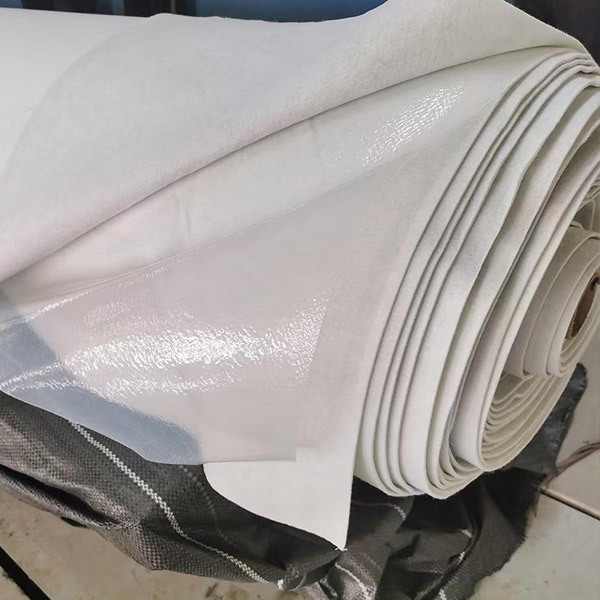
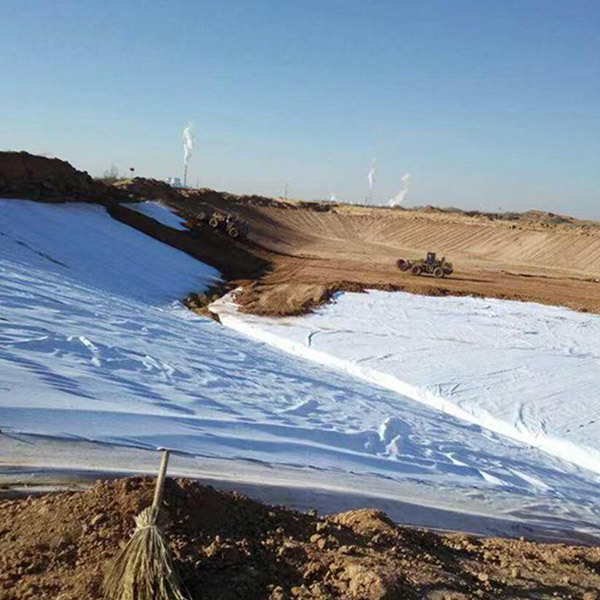
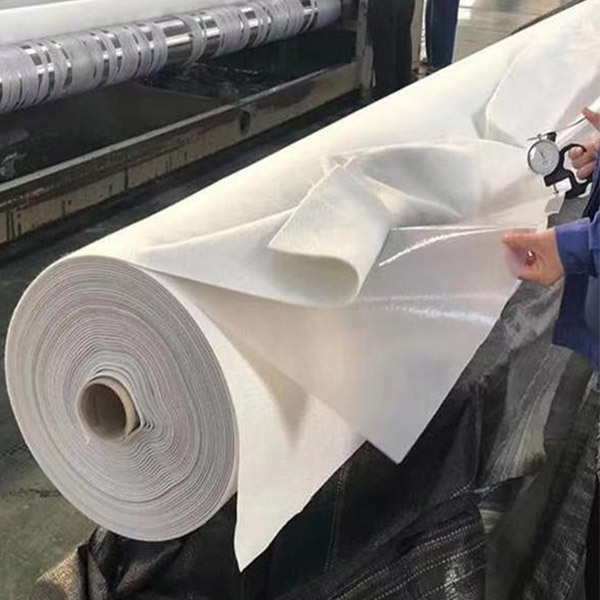
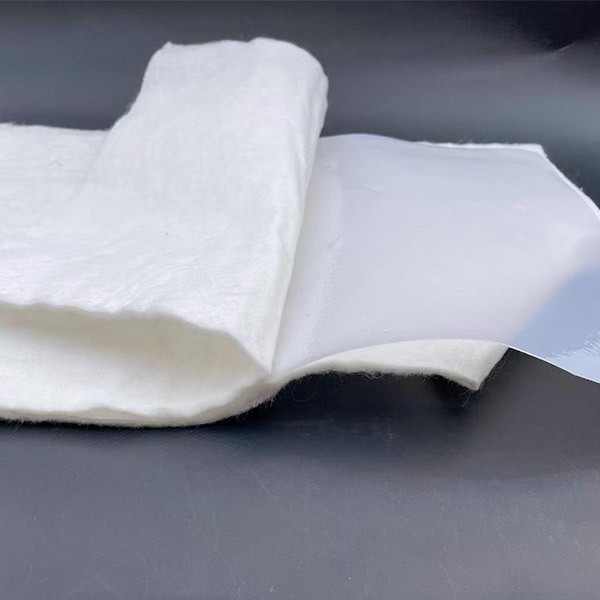
Terpal HDPE geomembrane is a high-density polyethylene product widely utilized in the construction and civil engineering sectors. Its unique properties make it an invaluable material for a variety of applications, particularly in projects involving water containment, waste management, and soil stabilization. Understanding the features, benefits, and uses of Terpal HDPE geomembrane can greatly enhance project outcomes and efficiency.
One of the key characteristics of Terpal HDPE geomembrane is its exceptional durability. This material is resistant to punctures, tears, and environmental stressors, making it suitable for harsh conditions. The high-density polyethylene composition provides excellent resistance to chemicals, UV radiation, and extreme temperatures, ensuring longevity in diverse applications. These properties make Terpal HDPE geomembrane an ideal choice for landfills, mining operations, and agricultural applications where containment is crucial.
In addition to its durability, Terpal HDPE geomembrane is highly flexible, enabling it to adapt to various substrate conditions. This flexibility allows for easier installation and less labor-intensive application processes. The material can be fabricated into different thicknesses and sizes, catering to specific project requirements without compromising performance. This versatility is a significant advantage for construction professionals looking to optimize their workflow.
Another notable benefit of Terpal HDPE geomembrane is its environmental sustainability. The material is recyclable and can be reused in various applications, which aligns with the growing emphasis on eco-friendly practices in construction. Utilizing Terpal HDPE geomembrane can minimize the environmental impact of construction projects while promoting responsible resource use.
Terpal HDPE geomembrane also plays a critical role in erosion control and groundwater protection. Its impermeable nature prevents the migration of contaminants into the surrounding soil and water systems, helping to safeguard ecological health. This characteristic is particularly essential in projects involving hazardous materials, where leakage could pose severe environmental risks.
Furthermore, the installation of Terpal HDPE geomembrane can lead to significant cost savings over time. Its durability and low maintenance requirements reduce the need for frequent repairs or replacements, ultimately lowering lifecycle costs. Additionally, effective containment solutions lead to better management of resources, which can enhance overall project efficiency.
In summary, Terpal HDPE geomembrane is a highly durable, flexible, and environmentally friendly material that serves as a vital component in various construction and civil engineering applications. Its ability to withstand harsh conditions while providing effective containment makes it an essential choice for professionals in the industry. By understanding the advantages of this material, construction specialists can make informed decisions that lead to successful project outcomes.
Xinying·Strength for the Earth
Home
About Us
Contact Us
Email:xinyingcailiao@gmail.com
WhatsApp:+86 19953899723
Tel:+86 19953899723
Copyright ©