
How Composite Geomembranes Revolutionize Water Management Systems for Sustainable Solutions
Time:
Dec 23,2024
How Composite Geomembranes Revolutionize Water Management Systems for Sustainable Solutions Table of Contents Introduction to Composite Geomembranes Understanding Geomembranes Types of Composite Geomembranes Applications of Composite Geomembranes in Water Management Benefits of Using Composite Geomembranes Design Considerations for Water Management Systems Installation and Maintenan
How Composite Geomembranes Revolutionize Water Management Systems for Sustainable Solutions
Table of Contents
- Introduction to Composite Geomembranes
- Understanding Geomembranes
- Types of Composite Geomembranes
- Applications of Composite Geomembranes in Water Management
- Benefits of Using Composite Geomembranes
- Design Considerations for Water Management Systems
- Installation and Maintenance of Composite Geomembranes
- Case Studies: Successful Implementations
- Future Trends in Composite Geomembranes
- Frequently Asked Questions
- Conclusion
Introduction to Composite Geomembranes
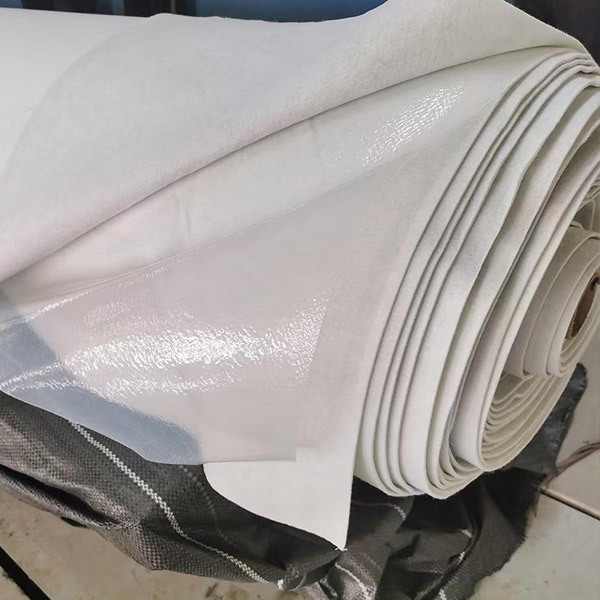
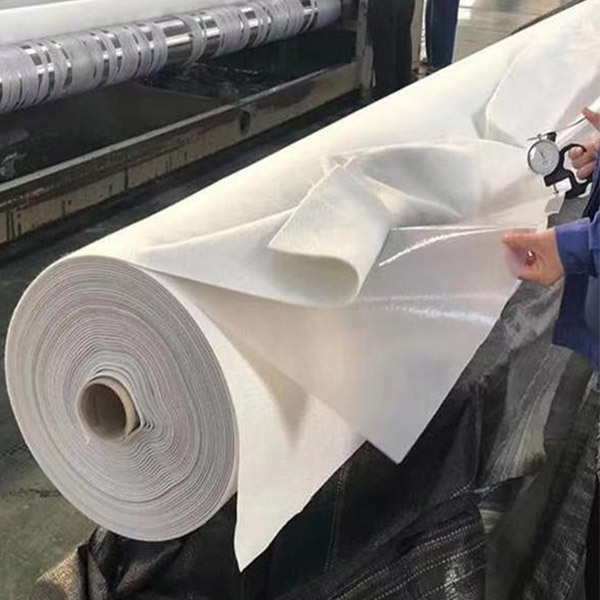
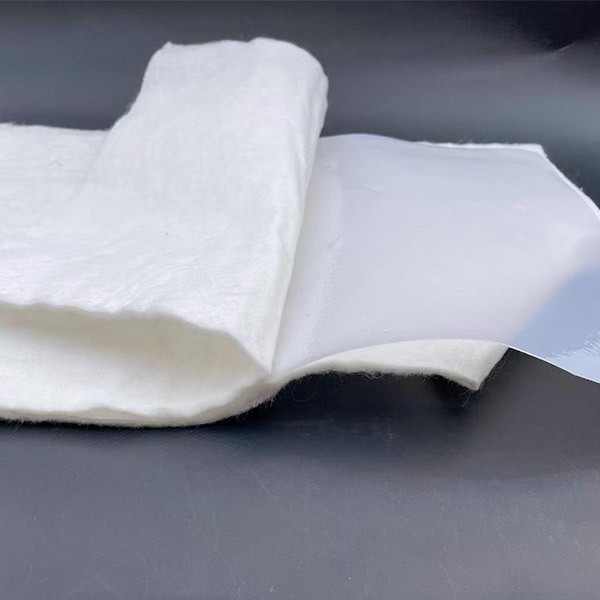
Composite geomembranes are synthetic membranes used widely in water management systems. They play a crucial role in preventing leakage and controlling water flow in various applications, including landfills, reservoirs, and irrigation systems. The combination of high-density polyethylene (HDPE) and geotextiles or other composite materials enhances their durability and effectiveness, making them a preferred choice for engineers and contractors in the construction industry. In this article, we will delve deep into how composite geomembranes enhance water management systems and promote sustainable practices.
Understanding Geomembranes
Geomembranes are impermeable membranes made from various materials, including rubber, plastic, and other synthetics. They serve as barriers to prevent water movement, thus protecting soil and groundwater from contamination. Their primary role in water management systems is to control the movement of fluids, whether it is to contain water in a reservoir or to prevent leachate from escaping from a landfill site. Understanding the properties and functions of geomembranes is essential for effective water management.
Characteristics of Geomembranes
Geomembranes possess several characteristics that make them suitable for water management applications:
- **Flexibility**: They can adapt to different shapes and surfaces.
- **Durability**: Resistant to punctures and tears, ensuring longevity.
- **Chemical Resistance**: Ability to withstand various environmental conditions, including exposure to chemicals.
- **Ease of Installation**: Lightweight and manageable, making installation simpler and quicker.
Types of Composite Geomembranes
Composite geomembranes combine different materials to achieve superior performance. The most common configurations include:
1. HDPE Composite Geomembranes
High-Density Polyethylene (HDPE) geomembranes are widely used due to their excellent chemical resistance and durability. They are often combined with geotextiles for added strength.
2. PVC Composite Geomembranes
Polyvinyl Chloride (PVC) geomembranes are known for their flexibility and ease of installation. They are often used in applications where movement is expected.
3. EPDM Composite Geomembranes
Ethylene Propylene Diene Monomer (EPDM) geomembranes are highly elastic and UV resistant, making them suitable for various outdoor applications.
Applications of Composite Geomembranes in Water Management
Composite geomembranes find applications across many sectors in water management, providing solutions that enhance efficiency and sustainability.
1. Landfill Liner Systems
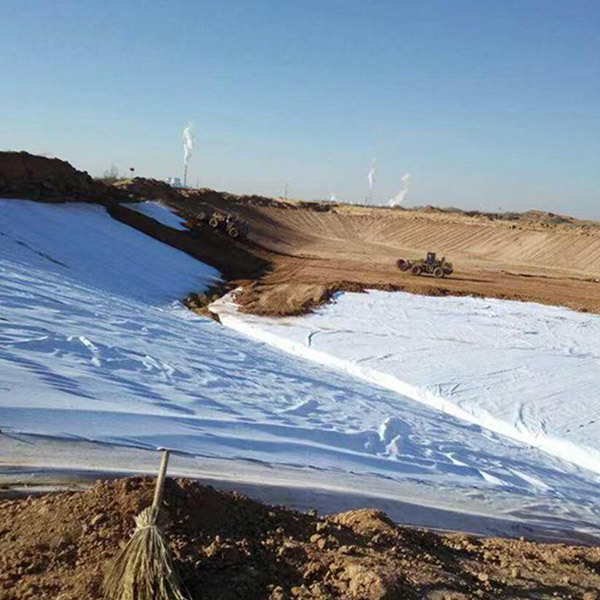
In landfill applications, composite geomembranes serve as liners to prevent leachate from contaminating the surrounding soil and groundwater. Their impermeability ensures that hazardous materials remain contained.
2. Water Reservoirs and Ponds
Composite geomembranes are extensively used in the construction of water reservoirs, providing a reliable barrier that minimizes evaporation and leakage. This feature is vital in areas facing water scarcity.
3. Irrigation Systems
In agriculture, composite geomembranes are used to line irrigation ditches and ponds, ensuring water retention and improving irrigation efficiency. This application is essential for sustainable farming practices.
4. Wastewater Treatment Plants
In wastewater treatment processes, these geomembranes are effective in lining treatment lagoons and preventing contaminants from escaping, thereby protecting the environment.
Benefits of Using Composite Geomembranes
The adoption of composite geomembranes in water management systems offers numerous advantages.
1. Enhanced Durability
Composite geomembranes are engineered to withstand the rigors of environmental stresses, ensuring a long lifespan and reducing the need for replacements.
2. Cost-Effectiveness
By preventing leaks and reducing maintenance costs, composite geomembranes contribute to overall cost savings in water management projects.
3. Environmental Protection
These geomembranes play a crucial role in safeguarding the environment by preventing contamination and conserving water resources.
4. Versatility
The variety of materials and configurations available allows for tailored solutions to meet specific project requirements.
Design Considerations for Water Management Systems
When designing water management systems utilizing composite geomembranes, several factors must be considered to ensure optimal performance.
1. Site Assessment
Conducting a thorough site assessment helps identify soil conditions, water flow patterns, and potential environmental impacts.
2. Material Selection
Choosing the right type of composite geomembrane based on project requirements, such as chemical exposure and mechanical stresses, is essential for effectiveness.
3. Thickness and Configuration
Determining the appropriate thickness and configuration of the geomembrane ensures the barrier's effectiveness in preventing fluid movement.
Installation and Maintenance of Composite Geomembranes
Proper installation and maintenance are critical for the longevity and effectiveness of composite geomembranes.
1. Installation Techniques
Installing composite geomembranes requires skilled labor and knowledge of various techniques, including welding and seaming methods, to ensure effective seams and joints.
2. Regular Inspections
Routine inspections and maintenance checks are essential to identify potential issues such as punctures or tears, which can compromise the integrity of the geomembrane.
3. Repair Methods
In the event of damage, prompt repair is crucial. Various repair methods, including patching and welding, can effectively restore functionality.
Case Studies: Successful Implementations
Examining real-world applications of composite geomembranes can provide valuable insights into their effectiveness in water management systems.
1. Case Study: Landfill Liner Project
In a recent landfill liner project, the integration of HDPE composite geomembranes significantly reduced leachate leakage, ensuring compliance with environmental regulations and protecting nearby water sources.
2. Case Study: Reservoir Construction
A municipal water reservoir project utilized composite geomembranes to enhance water retention capabilities, resulting in a 30% reduction in evaporation loss compared to traditional methods.
Future Trends in Composite Geomembranes
The future of composite geomembranes lies in continued innovation and development. Key trends include:
1. Sustainable Materials
The industry is moving towards sustainable and recyclable materials, aligning with global sustainability goals and environmental protection efforts.
2. Advanced Manufacturing Techniques
Innovations in manufacturing processes, including automation and 3D printing, are expected to enhance the quality and performance of composite geomembranes.
3. Enhanced Monitoring Technologies
The integration of smart technologies for monitoring geomembrane performance in real-time will improve maintenance practices and extend operational lifespans.
Frequently Asked Questions
1. What are composite geomembranes made of?
Composite geomembranes are typically made from layers of high-density polyethylene (HDPE) combined with geotextiles or other synthetic materials for enhanced performance.
2. How do composite geomembranes improve water management systems?
They prevent water leakage, control fluid movement, and reduce contamination, thereby enhancing the efficiency of water management systems.
3. Are composite geomembranes environmentally friendly?
Yes, they help protect the environment by preventing contamination and conserving water resources, making them suitable for sustainable practices.
4. What is the expected lifespan of composite geomembranes?
When properly installed and maintained, composite geomembranes can last 20 to 30 years or more, depending on environmental conditions and material types.
5. How are composite geomembranes installed?
Installation requires skilled labor and involves techniques such as welding and seaming to create effective seams and joints.
Conclusion
Composite geomembranes have emerged as a game-changing solution in the field of water management systems. Their ability to enhance efficiency, provide durability, and protect the environment makes them indispensable in modern construction practices. As we continue to navigate the challenges posed by environmental sustainability and water conservation, the role of composite geomembranes will only grow more critical, paving the way for innovative solutions that promote responsible management of our water resources. Embracing these technologies will ensure a sustainable future for generations to come.
Xinying·Strength for the Earth
Home
About Us
Contact Us
Email:xinyingcailiao@gmail.com
WhatsApp:+86 19953899723
Tel:+86 19953899723
Copyright ©