
How to choose geomembrane welding
Time:
Sep 20,2024
There are two types of geomembrane splicing methods: hot melt welding and bonding. The hot-melt welding method is welded by a double-drive self-propelled geomembrane welding machine, the weld lap width is 10cm, the weld is two, each is 10mm wide, and there is a 12mm wide cavity between the two welds. Before welding, the sand, mud and other dirt on the membrane surface must be removed to ensure that the membrane surface is clean. If the membrane surface is wet, the membrane surface needs to be dried with a hair dryer before welding. Before welding, a long wooden board is placed under the joint part of the geomembrane, so that the welding machine can walk on the flat base surface to ensure the welding quality. Before formal welding, test welding is carried out according to the climatic characteristics of the construction site to determine the walking speed and welding temperature to prevent virtual welding, missing welding or excessive welding.

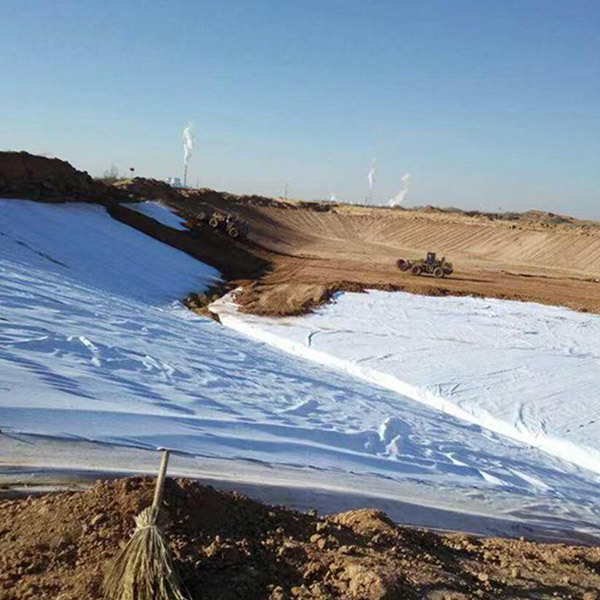
During the construction, the following treatments are made for local repair: the T-shaped joint part is made of base metal to fill the scar, the size is not <300mm×300mm, and the right angle of the scar should be rounded; For damaged parts such as virtual welding, missing welding and excessive welding, repair welding with base metal that is more than twice the damaged diameter. After the geomembrane welding inspection is qualified, the sewing of the surface layer geotextile is carried out. The suture surface should be moderately tightened and the seam should be smooth. The adhesive used in the bonding method should match the film used, and the film surface connection should be wiped clean before applying the adhesive, and the adhesive should be rolled and cured after bonding to ensure that the bond is firm. The anti-seepage effect of geomembrane depends on the integrity of the construction and operation process, and it is necessary to prevent human and animal trampling, animal and plant damage and light and heat action. According to the requirements of the construction specifications formulated by the national standards, the geomembrane must be welded for construction, because only the geomembrane weld of the welded construction can meet the standard (the strict construction site will carry out the tensile test and compressive test of the geomembrane weld), and the leak-proof test (there are vacuum method, foam method and other test methods) after the completion of the geomembrane welding.
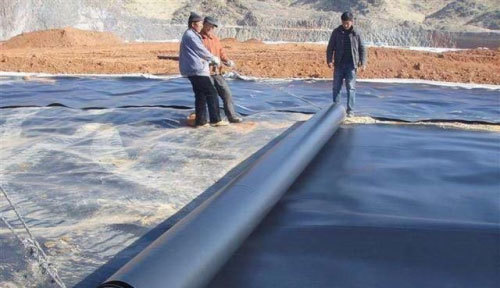
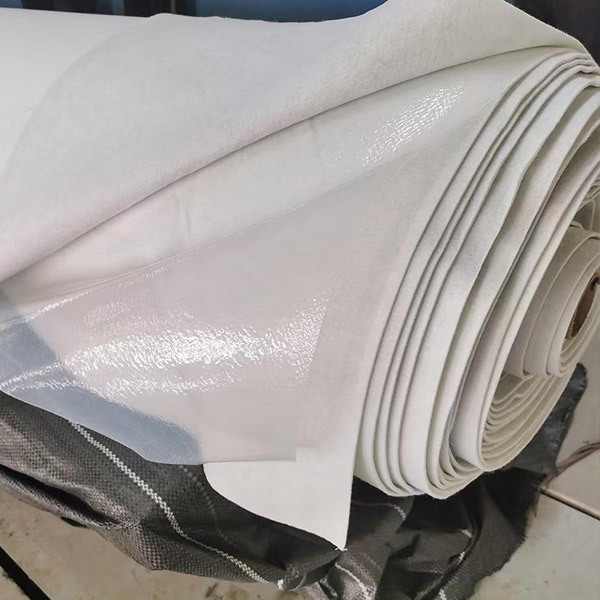
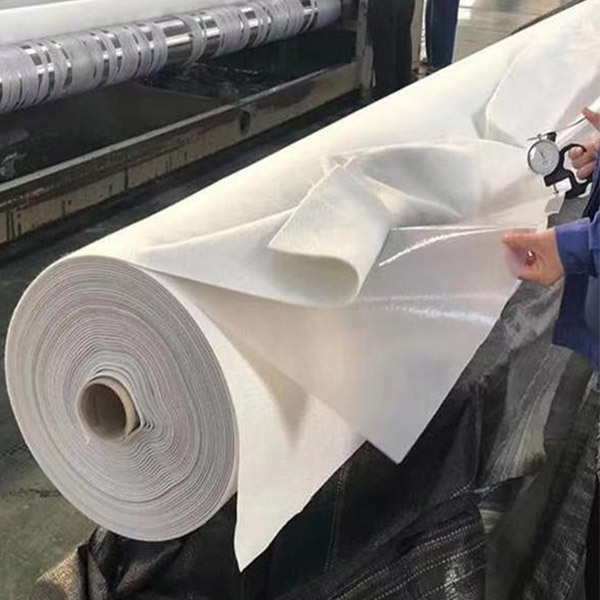
The principle of geomembrane welding is to use a double-track crawling welding machine to melt the two geomembranes by heating, so as to ensure that the two geomembranes are fused into one and will not leak. Because geomembrane welding requires professional personnel to use special machines for construction, the welding cost is higher, so many small projects will choose bonding from the cost consideration, the principle of geomembrane bonding is to use special glue for geomembrane glue, the adhesive effect is not as good as the welding effect (because the glue has a service life), if the construction environment of the geomembrane bonding requirements is not strict, it can be glued (for example, the geomembrane bonding part is not forced, the geomembrane has rammed earth or cement protection and fixation, etc. Whether it is the use of welded geomembrane construction or bonded geomembrane construction, it should be selected on the premise of ensuring the quality of construction.
Xinying·Strength for the Earth
Home
About Us
Contact Us
Email:xinyingcailiao@gmail.com
WhatsApp:+86 19953899723
Tel:+86 19953899723
Copyright ©