

- Commodity name: HDPE geomembrane liner
HDPE Geomembrane Liner: Properties, Applications, and Installation Guide
Introduction to HDPE Geomembrane Liner
High-Density Polyethylene (HDPE) geomembrane liner is one of the most widely used geosynthetic materials in modern civil engineering and environmental protection projects. Known for its outstanding chemical resistance, durability, and impermeability, HDPE liner plays a vital role in preventing fluid migration and ensuring long-term containment. Whether used in landfills, mining operations, aquaculture ponds, or water reservoirs, HDPE geomembrane sheets provide a reliable barrier system that protects soil and groundwater from contamination.
As demand for sustainable infrastructure and environmental safety continues to grow, HDPE geomembrane liners have become the preferred choice for engineers, contractors, and project owners worldwide. This article explores the properties, benefits, applications, installation techniques, and maintenance practices of HDPE liners to provide a comprehensive understanding of this essential geosynthetic solution.
Properties of HDPE Geomembrane Liner
1. Material Composition
HDPE geomembrane liners are manufactured from high-density polyethylene resins combined with carbon black, antioxidants, and UV stabilizers. These additives enhance resistance to weathering and extend service life, even under direct sunlight and extreme conditions.
2. Physical Properties
Thickness range: 0.5mm to 3.0mm
Density: ≥ 0.94 g/cm³
Tensile strength: High tensile resistance ensures stability under stress.
Elongation: Provides flexibility to adapt to uneven surfaces.
3. Performance Advantages
Excellent impermeability: Prevents seepage of liquids and gases.
Chemical resistance: Withstands acids, alkalis, and hydrocarbons.
UV resistance: Long service life under outdoor exposure.
Puncture resistance: Resists sharp objects in subgrade soils.
Durability: Service life can exceed 50 years when properly installed.
Applications of HDPE Geomembrane Liner
1. Landfill Liner Systems
One of the primary uses of HDPE geomembrane liner is in municipal solid waste landfills and hazardous waste containment sites. By creating a continuous barrier, the HDPE liner prevents leachate from polluting groundwater and ensures compliance with environmental regulations.
2. Mining Operations
In mining, HDPE liners are installed in heap leach pads, tailing dams, and process solution ponds. They prevent the escape of cyanide solutions and other chemicals used in ore extraction, ensuring environmental safety and resource recovery.
3. Water Reservoirs and Ponds
HDPE geomembrane sheets are widely used in agricultural irrigation ponds, fish farms, and drinking water reservoirs. Their impermeability ensures efficient water storage, reduces seepage loss, and protects water quality.
4. Wastewater Treatment Plants
HDPE liners are applied in sludge ponds, evaporation basins, and wastewater treatment lagoons. They provide a reliable sealing system that resists chemical corrosion and ensures compliance with wastewater discharge standards.
5. Secondary Containment
Industrial facilities use HDPE liners for secondary containment of fuel tanks, chemical storage, and hazardous materials. This application prevents accidental leaks from contaminating the environment.
6. Road and Railway Construction
In transportation infrastructure, HDPE geomembranes are used as waterproofing barriers beneath highways, tunnels, and railways to improve structural stability and extend service life.
Benefits of Using HDPE Geomembrane Liner
Cost-Effective: Lower installation and maintenance costs compared to traditional clay liners.
Long Service Life: Resistant to UV degradation and environmental stress cracking.
Environmentally Friendly: Protects soil and groundwater from hazardous pollutants.
High Strength and Flexibility: Adapts to different project conditions without losing performance.
Global Standards Compliance: Meets ASTM, GRI-GM13, and ISO requirements for geomembrane quality.
Installation of HDPE Geomembrane Liner
1. Site Preparation
Before installation, the subgrade must be free from sharp objects, roots, and debris. A smooth, compacted base ensures liner integrity.
2. Deployment of Sheets
HDPE geomembrane sheets are rolled out using specialized equipment. Panels are overlapped to allow secure seam welding.
3. Welding and Seaming
The most critical step is thermal fusion welding using hot wedge welders or extrusion welders. This creates strong, leak-proof seams.
4. Quality Control
Non-destructive testing methods such as air pressure testing and vacuum box testing are used to verify seam integrity.
5. Anchor and Protection
Edges are anchored in trenches, and protective layers such as geotextiles or soil cover are applied to prevent damage.
Maintenance and Quality Assurance
Although HDPE geomembrane liners are low-maintenance, regular inspection ensures long-term performance. Key practices include:
Visual inspection for punctures, cracks, or surface damage.
Monitoring of settlement or slope stability.
Immediate repair using extrusion welding if defects are detected.
Maintaining records of installation and repair activities.
Choosing the Right HDPE Geomembrane Liner Supplier
When selecting an HDPE liner supplier, project owners should evaluate:
Manufacturing standards: Compliance with GRI-GM13, ASTM, and ISO standards.
Technical support: Availability of installation guidance and onsite supervision.
Customization: Ability to supply liners in different thicknesses, widths, and roll lengths.
After-sales service: Long-term support for maintenance and troubleshooting.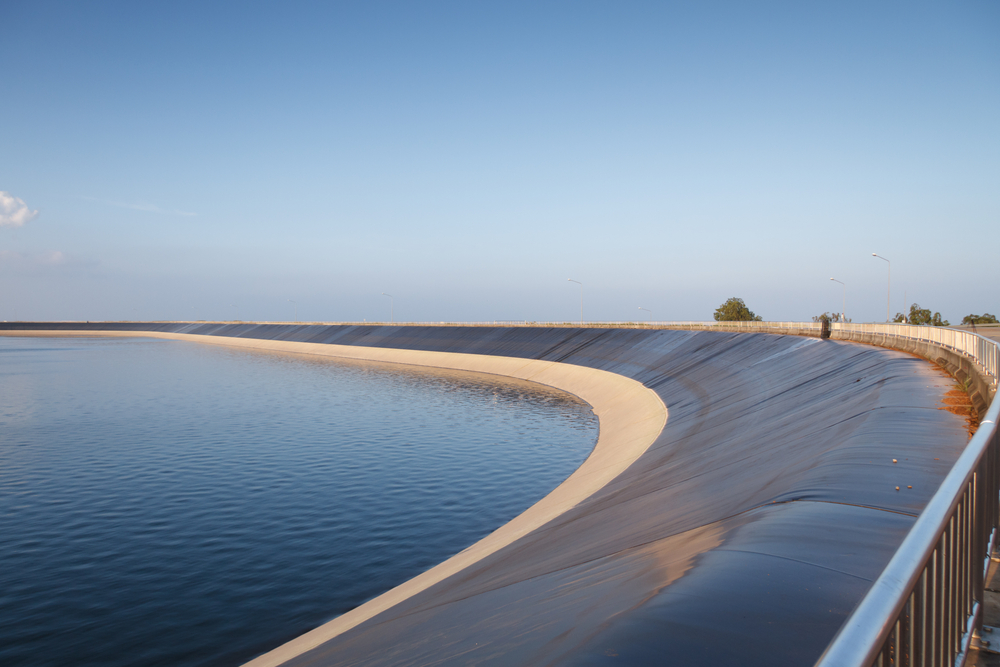
Looking forward to working with you
Sixteen foreign trade key account managers with more than ten years of engineering experience will promptly respond to any of your engineering questions. What are you waiting for? Let's get started.

Get A Quote
Note: Within a few minutes of filling out the form, you will receive the most timely and effective response.
Xinying·Strength for the Earth
Home
About Us
Contact Us
Email:xinyingcailiao@gmail.com
WhatsApp:+86 19953899723
Tel:+86 19953899723
Copyright ©